White Mole for Skin: Causes, Meaning, Treatment, and Myths Explained
Have you ever noticed a small white spot or bump on your skin and wondered what it might be? You’re not alone. Many people notice these tiny patches or raised dots and start worrying if they’re something serious. The truth is, a white mole for skin can have various causes, some completely harmless and others that may require a dermatologist’s attention.
In this post, we’ll explore what white moles really are, what causes them, and how you can safely treat or manage them. We’ll also debunk common myths and share expert-backed insights to help you understand your skin better.
Table of Contents
What Is a White Mole for Skin?
Before you panic or jump to conclusions, it’s important to understand what a white mole actually is. A white mole for skin typically appears as a small, raised, or flat white spot that stands out against your natural skin tone. It’s often mistaken for other skin conditions, such as milia, warts, or even fungal infections.
In medical terms, white moles can refer to benign growths caused by the accumulation of melanocytes (cells that produce pigment) that have lost their color. This is why they appear lighter or white compared to the surrounding skin.
Related Blog: How to Remove Flat Moles From Face Permanently
Common Causes of White Moles on Skin

When it comes to understanding white mole for skin, identifying the cause is key to proper treatment. Let’s explore the most common causes behind these small white bumps or patches.
1. Loss of Pigmentation (Vitiligo or Hypopigmentation)
Sometimes, white moles occur when the skin loses pigment in a localized area. This could be due to mild hypopigmentation or conditions like vitiligo, where melanocytes stop producing melanin. These patches can start small, appearing like tiny white moles, before spreading over time.
2. Clogged Skin Pores and Milia
If you notice tiny, white, hard bumps that look like pearls, they might not be true moles but milia. These are small cysts caused by trapped keratin beneath the skin’s surface. They’re harmless and common, especially around the eyes, nose, and cheeks.
3. Sebaceous Cysts
A sebaceous cyst forms when the oil glands become blocked. They often appear as white or yellowish bumps under the skin, which can sometimes be confused with white moles.
4. Skin Tag Variants
In some cases, skin tags or benign growths may appear lighter in color. They’re usually flesh-toned or white and can occur in areas with skin folds, like the neck or underarms.
5. Sun Damage and Aging
Long-term sun exposure can affect pigmentation, leading to lighter or uneven patches. In older adults, certain age-related moles can lose color, appearing white or pale compared to younger moles.
How to Identify a White Mole for Skin
Not every white spot or bump is the same. Here’s how you can differentiate a white mole from other common skin conditions.
1. Look at the Shape and Texture
White moles are usually round or oval and may be slightly raised. If it’s rough or scaly, it might be something else like a wart or keratosis.
2. Check for Itchiness or Pain
Most white moles are painless. If the spot itches, burns, or grows quickly, it’s best to consult a dermatologist.
3. Observe Any Changes Over Time
If your white mole changes in size, color, or shape, get it checked immediately. Although most are benign, sudden changes could indicate an underlying issue.
More Information For You: Laser Mole Removal
Are White Moles Dangerous?
In most cases, a white mole for skin is harmless. They don’t usually indicate cancer or serious disease. However, if you notice changes in texture, size, or color, it’s essential to get a medical opinion.
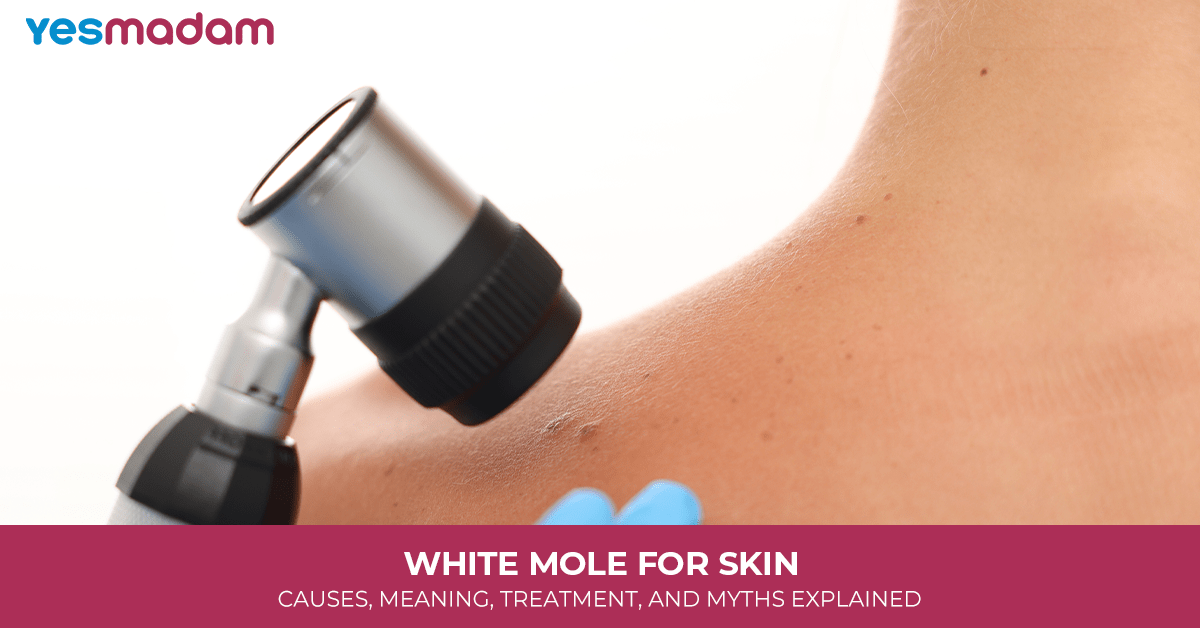
Dermatologists use tools like dermatoscopy to examine the mole and determine whether it’s benign or needs further biopsy.
It’s always better to be cautious, especially if the mole appears suddenly, bleeds, or causes discomfort.
Treatment Options for White Moles
Depending on the cause, there are several treatment options to manage or remove white moles safely.
1. Home Remedies (For Mild Cases)
If your white mole isn’t medically concerning, natural remedies may help improve your skin’s appearance.
- Aloe Vera Gel: Helps soothe the skin and promote healing.
- Tea Tree Oil: Known for its antibacterial properties, it can reduce irritation.
- Apple Cider Vinegar: Mild exfoliating effect to clear dead skin.
Always do a patch test before applying anything to your skin, as natural doesn’t always mean irritation-free.
2. Topical Creams and Ointments
Dermatologists may prescribe topical creams with retinoids, hydrocortisone, or azelaic acid to promote skin cell turnover and reduce white spots.
3. Laser or Cryotherapy Treatment
For stubborn or deeper white moles, laser therapy or cryotherapy (freezing the mole) can be effective. These are minimally invasive and help restore even skin tone.
4. Surgical Removal (For Large or Suspicious Moles)
If a white mole is large, growing, or causing discomfort, your doctor might recommend minor surgery. It’s a quick outpatient procedure that leaves minimal scarring when done properly.
Myths and Misconceptions About White Moles
Let’s clear the air on a few myths surrounding white mole for skin.
Myth 1: White Moles Always Indicate Cancer
Not true. Most white moles are benign. However, regular skin checks are important to stay safe.
Myth 2: You Can Remove White Moles at Home by Cutting or Burning Them
This is dangerous and can lead to infection or scarring. Always seek professional treatment.
Myth 3: White Moles Mean You Have a Vitamin Deficiency
While vitamin deficiencies can affect skin tone, white moles themselves are not direct signs of poor nutrition.
Prevention Tips for White Moles
While not all white moles can be prevented, certain lifestyle and skincare habits can reduce your risk.
1. Protect Your Skin from the Sun
Use sunscreen with SPF 30 or higher daily. UV exposure can trigger pigmentation changes.
2. Maintain a Healthy Diet
Include foods rich in vitamins A, C, and E for skin health. These nutrients help repair damaged skin and improve cell regeneration.
3. Keep Your Skin Clean and Hydrated
Daily cleansing and moisturizing help prevent clogged pores and buildup, which can lead to white bumps.
4. Avoid Harsh Chemicals
Opt for gentle skincare products without alcohol or artificial fragrances to maintain skin balance.
When to See a Dermatologist
If your white mole for skin is new, growing, or feels unusual, it’s best to get it checked by a dermatologist. Signs that require medical attention include:
- Rapid changes in size or shape
- Itching, pain, or bleeding
- Cluster formation or spreading patches
A professional evaluation ensures peace of mind and prevents complications.
Lifestyle and Skincare Recommendations
To manage white moles and keep your skin healthy overall:
- Follow a consistent skincare routine.
- Use mild exfoliants once or twice a week.
- Stay hydrated, inside and out.
- Prioritize sleep and stress management, as they directly affect skin health.
Conclusion
White moles might look concerning, but most are harmless and manageable with the right care. Understanding their causes, whether it’s blocked pores, pigment loss, or mild cysts, helps you take informed action.
If you’re ever unsure, don’t self-diagnose. A quick visit to a dermatologist can clarify whether your white mole on the skin is something to treat or simply monitor.
Taking care of your skin is an act of self-love. Treat it with patience, awareness, and care.
FAQs
1. Are white moles permanent?
Not always. Some white moles fade on their own, while others may need medical removal depending on their cause and depth.
2. Can stress cause white moles?
Stress doesn’t directly cause white moles, but it can affect hormonal balance and skin regeneration, making your skin more prone to irregularities.
3. Is a white mole a sign of skin cancer?
In most cases, no. White moles are usually benign. However, if you notice changes in their appearance, consult a dermatologist to rule out malignancy.
4. Can I remove white moles using home remedies?
You can try gentle remedies like aloe vera or diluted apple cider vinegar, but always test on a small patch first. For persistent moles, medical treatments are safer.
5. Do white moles spread?
Typically, they don’t. But if multiple white spots appear over time, it could be due to pigmentation loss or a skin condition like vitiligo.
6. What’s the difference between white moles and milia?
Milia are tiny cysts filled with keratin, while white moles are clusters of skin cells that have lost pigment. Both look similar but differ in structure and cause.
7. Can sun exposure make white moles worse?
Yes, excessive UV exposure can affect pigmentation and make white moles more noticeable. Always wear sunscreen to protect your skin.
8. Are white moles common in older adults?
Yes, they can be. Aging skin often experiences pigment changes, resulting in lighter or white moles.
9. Can diet help prevent white moles?
A balanced diet rich in vitamins and antioxidants supports overall skin health and may help prevent irregular pigmentation.
10. When should I worry about a white mole?
If the mole changes rapidly in size, color, or shape, or if it bleeds or becomes painful, see a dermatologist immediately.