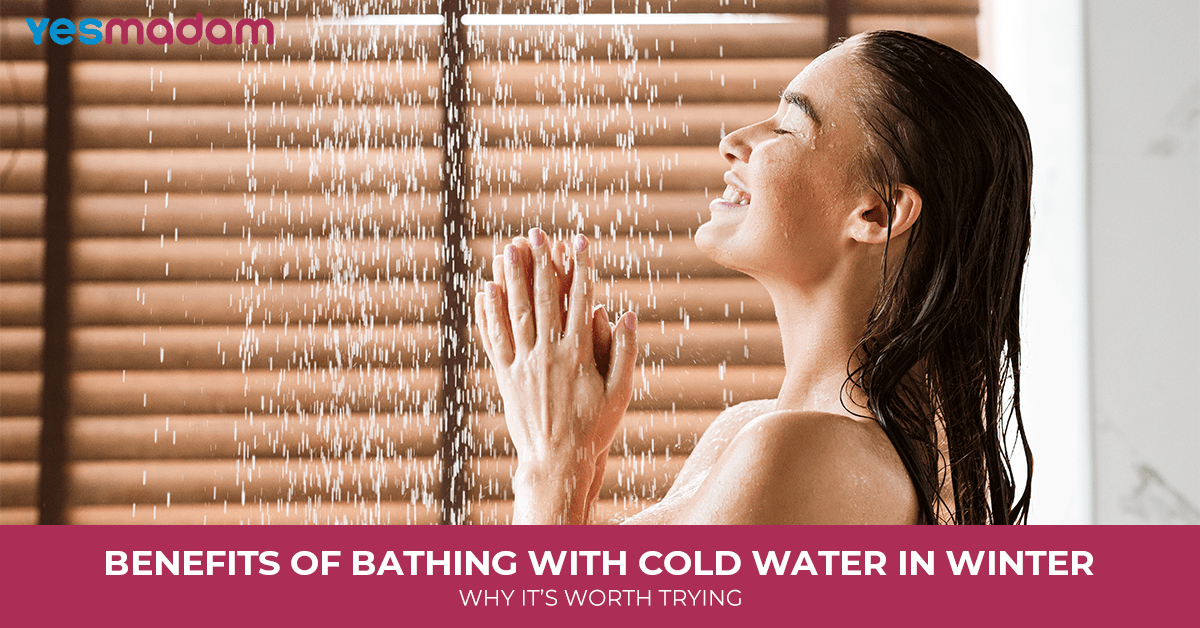
Benefits Of Bathing With Cold Water In Winter: Why It’s Worth Trying
It’s surprising but true: With more people embracing conscious living and tuning into their bodies, even a simple shower has evolved into a powerful wellness ritual.
There are usually two kinds of showers, as we know: hot vs cold showers. Although, cold shower might give you chills but taking a bath with it in winter has amazing benefits.
You might think we are going nuts, but according to doctors, bathing with cold water includes its own set of benefits.
Yes, that’s right! Let’s know more about the benefits of bathing with cold water in winter through its benefits, including tips for taking cold showers in winter, its side effects, and more.
Table of Contents
What are the Benefits of Cold Shower in Winter?

Here are the cool benefits of taking a bath with cold water in winter for both your body and mind:
Improved circulation
Embracing the cold water in winter for bathing is a kind of mini winter workout for your veins, helping you keep warm from the inside out. The chill helps your blood vessels constrict and then dilate, improving blood flow.
Boosts immunity
Amongst the crucial cold showers benefits in winter is to help bolster your immune system. The cold water shock prompts your body to produce more white blood cells, those little warriors that protect you against nasty winter bugs. It’s similar to a natural flu shot, using water.
Depression
Cold showers also play a key role in dealing with depression as it has a positive impact and boost one’s mood. Thus, you may feel stress-free after taking a bath with cold water in winter.
Stress reduction
A cold shower can be your secret weapon if you’re feeling the winter woes. It triggers the release of endorphin hormones, happiness hormones, providing you with a natural mood lift.
Increased alertness
Forget that hot morning coffee jolt -try a cold shower in winter instead!. The sudden cold immersion wakes up your nervous system, sending signals to your brain to stay on high alert !. After taking a bath, you will feel as if you’ve conquered Mount Everest.
Reduced inflammation
The cold temperatures in a cold shower can help reduce inflammation in the body, which in turn helps decrease soreness and soothe swollen joints in winter.
Energy
One of the cold showers in winter benefits is to provide your body with energy. This helps to reduce lethargy and improve focus, which may be especially useful during winter days, as most of us are prone to getting lazy.
Metabolism
The initial shock of getting into a cold shower may be off-putting for many of us. But this sudden change in body temperature works to increase your heart rate and oxygen intake, which has been proven to help improve your metabolism over time.
More Information For You: How to Hydrate Skin in Winter
Drawbacks of Cold Showers During Winter
Although there are many benefits of cold water bath in winter, there are some contradictions and side effects too:
1. Uncomfortable sensation
The biggest disadvantage of cold showers in winter is the uncomfortable sensation of cold water on the skin. This includes intense stress or fear, rapid heart rate, or dizziness.
2. Risk of brain stroke or heart attack
The sudden exposure to cold may spike blood pressure and heart rate, thereby leading to an irregular heartbeat called arrhythmia.
3. Sustained feeling of cold in some people
Taking a cold shower may leave some people feeling cold for a longer duration of time, minimising comfort during the cold weather.
4. Not a good idea if you already have a cold
The cooler temperature is not going to help warm you up by any means. It may actually make you even colder and increase the amount of time it will take for your body to warm up.
5. When a person is ill should avoid
With already a weak immune system, the temperature shock may be too unbearable for the body, and it may make you sicker.
6. Not good for people with respiratory problems
Taking a bath with cold water in winter may trigger a cold shock response, and those with respiratory problems and heart conditions may have to deal with breathing difficulty.
7. A plethora of other health problems
As cold water is antagonistic to body temperature conditions, it may lead to a host of other health concerns, like cough, cold, pneumonia, and irritation in the throat. So, it is better to consult a doctor before opting for a cold shower in winter.
8. Limited research
As much of the research on the benefits of bathing with cold water in winter is limited, it may not be worth trying them if you absolutely hate taking cold water during winter.
Don’t Miss: Winter Skin Rash
Tips for Taking Cold Showers in Winter
To mitigate the side effects and reap the benefits of cold water bath in winter, here are the effective categorization of tips for taking cold showers in winter correctly:
Before you start
- Prepare the room: Make sure the bathroom is warm to provide a comfortable environment before you get in.
- Have warm clothes ready: Have warm clothes laid out so you can put them on immediately after your shower to help your body warm up quickly.
- Mentally prepare: Remind yourself of the benefits of staying motivated, and be ready for the initial shock.
During the shower
- Start warm and gradually cool: Begin with a normal-temperature shower and slowly lower the water temperature at the end. Aim for a temperature below 60°F (15 °C celsius eventually)
- Ease into the cold: Start by exposing less-sensitive areas like your arms and legs first, and then gradually move to your chest and back.
- Control your breathing: When the cold water hits, take slow, deep breaths to help your body adjust and prevent tensing up.
- Stay moving: Rubbing your skin as the water hits can help reduce the shock.
- Consider turning the water off: You can turn the shower off while you soap up to give your body a short break from the cold.
- Use a timer: Set a timer for the duration to help you build tolerance gradually without feeling overwhelmed.
After the shower
- Dry off and warm up: Immediately put on the warm clothes you laid out.
- Stay consistent: The more you do it, the easier it will become as your body adapts.
Important considerations
- Listen to your body: Pay attention to how your body is reacting and don’t push yourself too hard, especially at the beginning.
- Consult a doctor: If you have any pre-existing health conditions, such as heart disease, high blood pressure, or diabetes, consult a healthcare professional before starting cold showers.
Related Blog: Home Remedies for Glowing Skin in Winter
Finding a Solution: Things to Be Careful About Cold Showers in Winter
Keep the following things or considerations in mind, as the goal is to make cold showers in winter a positive or manageable experience without the aforestated risks or side effects:
- ‘When’ and “How”- One of the biggest mistakes is turning powerful wellness tools like cold showers into rigid rules. What works in the morning may not serve you in the evening. For example, cold showers, even in winter, are a fantastic morning ritual for a rejuvenating start.
- Don’t shock the system-train it gradually: Start with warm water, then make a shift to cold for the last 10-30 seconds. Gradually, increase the duration. It lets the body adapt – not react.
- Take cold showers during specific times: Like after workouts and saunas, when the body temperature is already adjusted and can take on a cold shower without much shock to the body.
- Longevity and temperature: To get maximum benefits from a cold shower in winter, spend atleast 30 seconds in water between 50 and 60 degrees F. Avoid taking a long, cold shower.
- Listen to your body: Listen to your body signals. Ask what my body needs today? . Some days you will need to awaken ( with a short cold water shower ), other days you will need to soften (with a hot shower being the right choice).
- A balanced approach wins: After weighing the points above, it is clear that there are moments when neither hot nor cold is the right bet. A lukewarm water bath may be ideal for winter, which can provide a middle ground, offering comfort and mitigating risks, minus the extremes of cold or hot.
Conclusion
As we wrap up our exploration into the world of the benefits of bathing with cold water in winter. It is clear that from boosting energy to improving skin health, and even becoming a mental reset, the benefits are as diverse as our experiences.
Ultimately, you can decide for yourself and go with the water temperature that best suits your body. In simple words, let your body -not the internet -tell you what it needs. Therefore, lukewarm water may be ideal for winter when making a decision on the right temperature.
FAQs
Is it safe to take a cold-water bath during winter?
Yes, it is safe for most people if done gradually. Start with mildly cool water and reduce the temperature over time. However, people with heart conditions or respiratory issues should consult a doctor first.
What are the health benefits of bathing with cold water in winter?
Cold water can boost circulation, increase alertness, strengthen immunity, improve skin tone, and help regulate mood by triggering endorphin release.
Can cold-water bathing improve immunity in winter?
Yes. Exposure to cold water activates the body’s stress response, which may increase white blood cell count and improve your immune system’s resilience.
Does bathing with cold water improve skin in winter?
Cold water helps tighten pores, reduce redness, and prevent excessive dryness compared to hot water, which often strips the skin’s natural oils.
Can cold showers give you more energy during winter?
Absolutely! Cold water stimulates blood flow and activates the nervous system, helping you feel more awake, energized, and refreshed.
Is cold water good for hair health in winter?
Yes, cold water helps seal the hair cuticle, reduces frizz, and adds natural shine. It also prevents scalp dryness caused by hot showers.
Can bathing with cold water help reduce stress in winter?
Cold showers trigger the release of mood-boosting neurotransmitters and endorphins, which help reduce stress, anxiety, and fatigue.
How does cold-water bathing affect blood circulation in winter?
Cold water causes your blood vessels to constrict and then dilate afterward, improving overall circulation and promoting a healthy blood flow.
Can cold showers help with weight management in winter?
Yes, cold exposure may activate brown fat, which burns calories to maintain body heat. This can support overall metabolism and weight balance.
Should everyone try cold-water bathing in winter?
Most healthy individuals can benefit, but people with heart disease, asthma, Raynaud’s syndrome, or very low immunity should avoid cold exposure unless advised by a doctor.