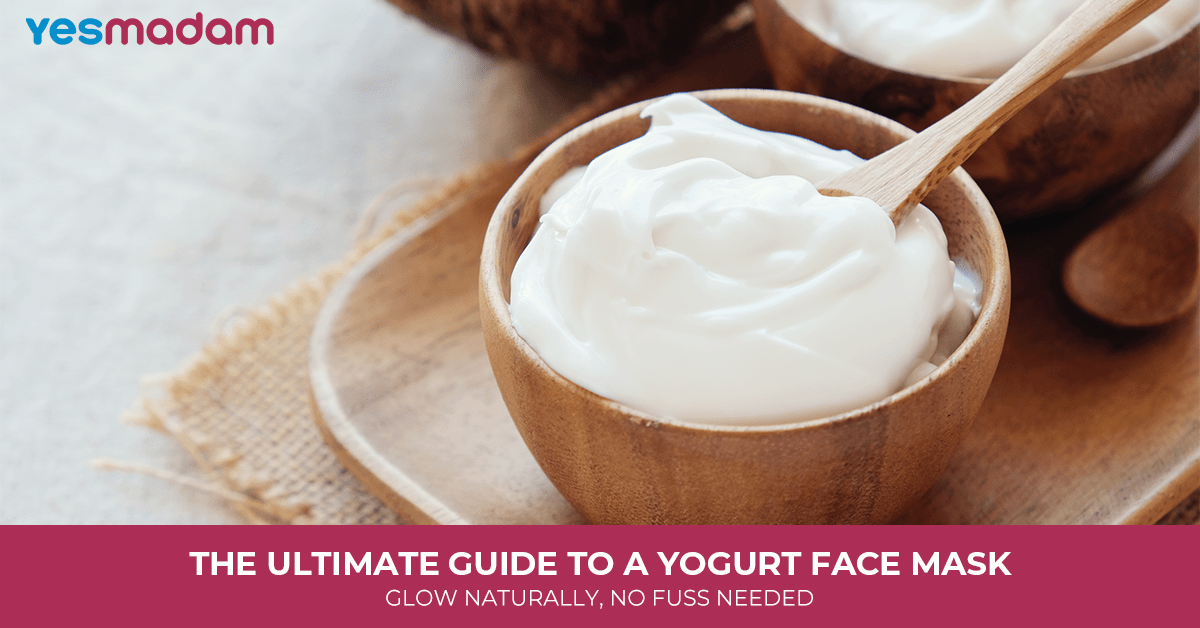
The Ultimate Guide to a Yogurt Face Mask: Glow Naturally, No Fuss Needed
If you’ve ever looked in the fridge and thought, “Could this help my skin?” — you’re not alone. A Yogurt face mask is one of those simple, old-school beauty tricks that keeps surviving trends for a reason: it actually works. Yogurt is packed with skin-friendly nutrients and gentle acids that can nourish, exfoliate, and calm your face without needing a complicated routine.
In this guide, I’m going to walk you through everything you need to know. What yogurt really does for your skin, how to pick the right type, how to use it safely, DIY recipes for different skin needs, and what mistakes to avoid. I’ll keep it practical and conversational — like a friend giving you the full download.
Table of Contents
Why a Yogurt Face Mask Is a Skincare MVP
Yogurt looks humble, but it’s quietly powerful for skin. It combines hydration, mild exfoliation, and soothing properties all in one spoonful. And unlike harsh acids or abrasive scrubs, yogurt works gently which is why it suits many skin types.
Before we dive into specific benefits, it helps to understand what’s inside yogurt that makes it so skin-friendly.
What’s Inside Yogurt That Helps Your Skin?
Yogurt contains a mix of natural compounds that do different jobs on your face:
- Lactic acid: a mild AHA (alpha hydroxy acid) that exfoliates dead skin cells.
- Probiotics: help support the skin barrier and calm inflammation.
- Proteins and fats: hydrate and soften the skin.
- Vitamins (B2, B5, B12) and minerals (calcium, zinc): help skin repair and glow.
The magic is in how these things work together — gentle polishing + barrier support + moisture.
More Information For You: Milk and Honey Face Mask
Benefits of a Yogurt Face Mask (And What You’ll Notice)
Now let’s talk results. A Yogurt face mask doesn’t promise overnight miracles, but with regular use, it can make your skin look healthier, smoother, and more even.
Here’s what it can help with:
1. Gentle Exfoliation for Smoothness
Thanks to lactic acid, yogurt loosens dead skin cells without the sting you might feel from stronger acids. That means your skin can look fresher and feel softer after just one use.
2. Brightening Dull Skin
If your face looks tired or uneven, yogurt can give it a subtle “lit from within” kind of glow. That’s mainly from clearing away dead skin and improving surface texture.
3. Hydration Without Greasiness
Yogurt moisturizes in a light, breathable way, especially if you use full-fat or Greek yogurt. It helps skin feel plump, not oily.
4. Soothing Redness and Irritation
Probiotics and milk proteins can calm inflamed skin. If your face gets red easily or feels “angry” from heat or pollution, yogurt is a gentle reset.
5. Helping With Mild Acne
Yogurt isn’t a treatment for severe acne, but it can help mild breakouts by balancing the skin barrier and lightly unclogging pores.
Choosing the Right Yogurt for Your Face
Not all yogurt is equal when it comes to skincare. Some types are great for your skin, and some are… honestly not worth putting on your face.
Let’s break it down so you don’t waste time.
Best Types of Yogurt for Face Masks
- Plain, unsweetened yogurt: the safest and most versatile.
- Greek yogurt: thicker, more protein-rich, great for dry skin.
- Full-fat yogurt: more moisturizing and less drying.
Yogurt Types to Avoid
- Flavored yogurt: added sugar and artificial flavors can irritate skin.
- Sweetened yogurt: sugar can feed acne-causing bacteria.
- Yogurt with fruit chunks: uneven texture can be messy and not skin-soothing.
Rule of thumb: if you wouldn’t put it on sensitive lips, don’t put it on your face.
How to Use a Yogurt Face Mask the Right Way
Let’s talk application. The way you use a Yogurt face mask matters just as much as the ingredients you mix into it.
Step-by-Step Application
- Start with a clean face: Wash off makeup, sunscreen, and sweat. Yogurt works best on clean skin.
- Apply a thin, even layer: Use clean fingers or a brush. Avoid the eyes and lips.
- Leave it on for 10–15 minutes: Don’t let it get crusty dry. That’s when it can start pulling moisture out.
- Rinse with lukewarm water: Gently massage while rinsing for mild exfoliation.
- Moisturize afterward: Lock in the softness with your regular moisturizer.
How Often Should You Use It?
- Normal skin: 2–3 times a week
- Oily skin: 2 times a week
- Dry skin: 1–2 times a week
- Sensitive skin: once a week max
Consistency beats intensity every time.
DIY Yogurt Face Mask Recipes for Different Skin Needs
Here’s the fun part. Yogurt is a great base, but your skin may need a little extra help depending on your goals. Below are easy combos you can make at home.
Before each recipe, I’ll give you a bit of context so you know why it works.
For Brightening and Glow
When your face looks dull, you want gentle exfoliation plus antioxidants. Yogurt already exfoliates lightly, and pairing it with honey adds glow without irritation.
Recipe: Yogurt + Honey Mask
- 1 tbsp plain yogurt
- 1 tsp raw honey
Mix, apply for 10–12 minutes, rinse. This one is especially good before an event or a day out.
For Oily or Acne-Prone Skin
Oily skin benefits from ingredients that balance sebum and calm inflammation. Yogurt keeps exfoliation gentle, while adding turmeric or neem can support breakouts.
Recipe: Yogurt + Turmeric Mask
- 1 tbsp yogurt
- a pinch of turmeric
Mix well, apply for 8–10 minutes. Don’t overdo turmeric, too much can stain lightly.
For Dry or Flaky Skin
Dry skin needs comfort more than exfoliation. Greek yogurt is perfect here because it’s thick, creamy, and protein-rich. Adding a few drops of oil gives deeper nourishment.
Recipe: Greek Yogurt + Olive Oil Mask
- 1 tbsp Greek yogurt
- ½ tsp olive oil
Apply for 12–15 minutes. Skin feels baby-soft afterward.
For Sensitive or Irritated Skin
If your skin reacts easily, you want soothing, no-fragrance ingredients. Yogurt is already calming; adding aloe makes it even more gentle.
Recipe: Yogurt + Aloe Vera Mask
- 1 tbsp yogurt
- 1 tsp fresh aloe gel
Apply for 10 minutes and rinse gently. This is a great “cool down” mask after sun exposure.
For Tan Removal / Uneven Tone
Uneven tone needs slow, gentle brightening. Yogurt helps with mild exfoliation, while a tiny bit of gram flour (besan) adds polishing without harshness.
Recipe: Yogurt + Besan Mask
- 1 tbsp yogurt
- 1 tsp besan
Apply for 10 minutes. Rinse in circular motions for extra smoothness.
Common Mistakes to Avoid
Even natural masks can go wrong if you use them carelessly. Here are the biggest “oops” moments people have with yogurt masks:
1. Leaving It On Too Long
Once yogurt fully dries, it can start pulling moisture from the skin. Stick to 10–15 minutes.
2. Using Flavored Yogurt
I know it smells good, but sugar + fragrance can irritate and cause breakouts.
3. Rubbing Too Hard While Rinsing
A Yogurt face mask exfoliates gently already. Scrubbing aggressively can cause micro-tears.
4. Using It Daily
More isn’t better. Over-exfoliating, even mildly, can make skin sensitive.
What to Expect After Using a Yogurt Face Mask
Let’s keep expectations real:
After one use, you’ll likely notice:
- softer texture
- calmness
- a slight glow
After a few weeks of regular use, you might see:
- smoother skin
- less dullness
- more even tone
- reduced mild redness
Think of yogurt as a steady, friendly helper, not a dramatic “overnight facelift.”
Who Should Skip Yogurt Masks?
Most people are fine with yogurt, but a few cases deserve caution:
- Milk allergy or lactose sensitivity on skin: avoid
- Open cuts or active eczema flare: patch test or skip
- Very inflamed cystic acne: keep it minimal and gentle
Always patch test on your jawline or wrist first if you’re unsure.
Conclusion: Keep It Simple, Keep It Consistent
A Yogurt face mask is proof that skincare doesn’t have to be expensive or complicated to be effective. With its natural lactic acid, soothing probiotics, and nourishing proteins, yogurt can gently exfoliate, hydrate, and brighten your skin, all while being super easy to use.
The key is choosing plain yogurt, using it in moderation, and pairing it with ingredients that match your skin’s needs. Make it a small ritual once or twice a week, and your skin will quietly thank you over time.
If you want, send your secondary keywords and I’ll revise this to include each one naturally, exactly once.
FAQs
1. Can I use a yogurt face mask every day?
It’s better not to. Yogurt exfoliates gently, and daily use may still overdo it, especially for sensitive skin. Stick to 1–3 times a week, depending on your skin type.
2. Which yogurt is best for a face mask?
Plain, unsweetened yogurt is ideal, and Greek yogurt is great if your skin is dry. Avoid flavored or sweetened versions because they can irritate skin.
3. Does a yogurt face mask help with pimples?
Yes, for mild acn,e it can help calm inflammation and reduce clogged pores. But for deep or painful acne, treat yogurt as support, not the main solution.
4. How long should I keep yogurt on my face?
About 10–15 minutes is perfect. If you leave it longer and it dries completely, it can start feeling tight and dry.
5. Can yogurt lighten dark spots?
Over time, it may help fade mild dark spots because lactic acid gently removes dead skin. Results are gradual, so consistency matters.
6. Is yogurt safe for sensitive skin?
Usually, yes, because it’s soothing and mild. Still, do a patch test first to make sure your skin doesn’t react to dairy.
7. Can I mix lemon with yogurt for faster brightening?
You can, but be careful. Lemon can irritate and cause sensitivity, especially in sunlight. If you try it, use a tiny amount and only at night.
8. Should I moisturize after using a yogurt face mask?
Absolutely. Yogurt softens and exfoliates, and moisturizer helps seal in hydration for longer-lasting smoothness.
9. Can a yogurt face mask remove tan?
It can help reduce tan gradually by gentle exfoliation and brightening. Use it twice a week and pair with sunscreen daily for best results.
10. What if my skin tingles after applying yogurt?
A mild tingle is normal because of lactic acid. But if you feel burning or itching, rinse it off and avoid using it again without patch testing.