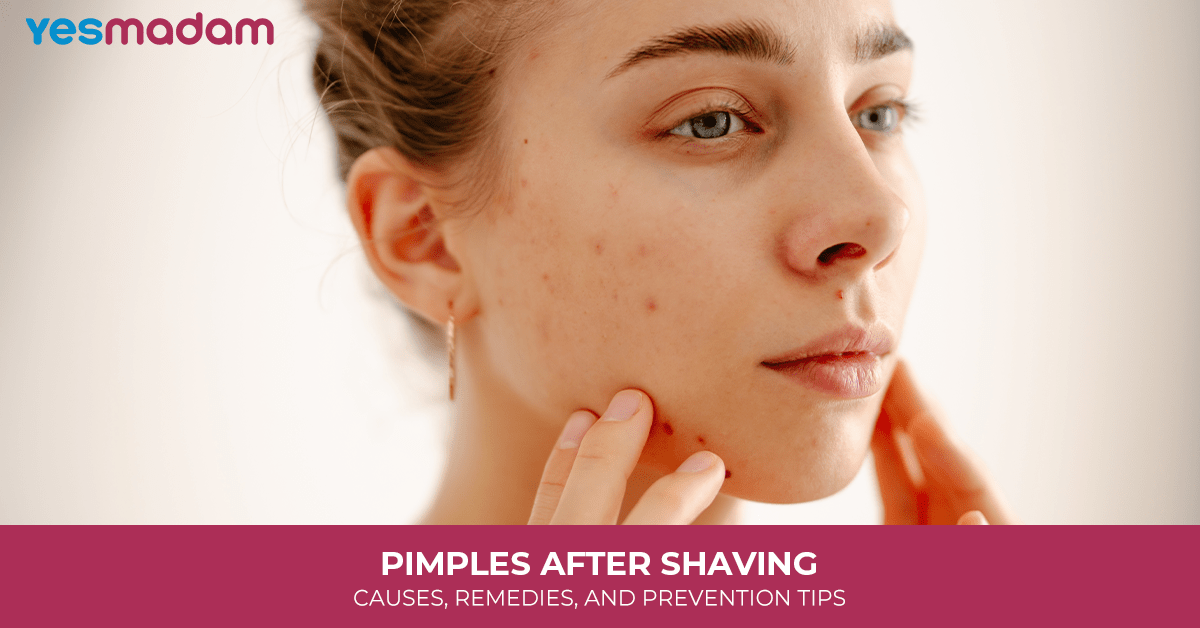
Pimples After Shaving: Causes, Remedies, and Prevention Tips
Do you often get pimples post-shaving? This is a common scenario, or rather an unwanted side effect, as part of men’s grooming routine.
These post-shaving pimples, known as red or shaving bumps, can make skin appear uneven and feel sore, often getting worse with frequent shaving.
Understanding why these red, irritated spots occur and how to stop them can help you get clear, smooth, and healthy skin.
This blog on pimples after shaving will explain the causes, prevention, and effective treatments for pimples and irritation after shaving.
Table of Contents
What are Shaving Bumps or Shaving Pimples?
Wondering why I get pimples or acne after shaving. Before exploring the real causes, it is important to understand what exactly pimples are that occur after shaving.
Both the terms ‘shaving bumps’ or ‘pimples after shaving’( shaving pimples) present themselves as red bumps that can be painful to the touch. While shaving, the blade of your razor may chafe on your skin and cause inflammation in the hair roots, thereby leading to shaving pimples.
People of all skin types may suffer from shaving bumps. A dry and sensitive skin type is more vulnerable as the skin’s natural protective barrier is weaker. Those with curly or coarse hair, on the other hand, are more prone to developing shaving pimples.
These red or inflamed bumps are common for men on the face, particularly in the beard area or the legs, and the bikini line for women.
Why Do I Get Pimples After Shaving?
Shaving causes pimples due to ingrown hairs, inflammation, clogged pores, or an allergic reaction to certain products.
Ingrown hairs
- Shaving can cause hair to curl back and grow into the skin, leading to red, painful, pimple-like bumps called razor bumps or pseudofolliculitis barbae (PFB). This is especially common in people with curly hair.
Inflammation and irritation
- The physical act of the razor blade can irritate the skin and cause inflammation, especially on sensitive skin, resulting in razor burn or pimples.
- Bacteria can enter the hair follicles during shaving, leading to an infection known as folliculitis.
Clogged pores
- Shaving can mix dead skin cells and sebum (oil) with other debris, which can clog pores and cause breakouts.
- Using harsh soaps or certain shaving creams can worsen this effect.
Allergic reactions
- Some shaving products contain ingredients that can trigger an allergic reaction, leading to contact dermatitis, which appears as red, bumpy, or crusty pimples.
- Alcohol-based aftershaves and fragranced products can also exacerbate this irritation.
Preparing Your Skin Against Clogged Pores and Ingrown Hairs
The right preparation acts as a solid layer of foundation to ensure a smooth, irritation-free shave. For example:
1. Soften your facial hair
- First, wet your face using lukewarm water before shaving to open up pores and soften the hair follicles.
- One more way is to apply a hot towel to the face for a couple of minutes. It makes hair more pliable and ready for a clean shave.
2. Use pre-shave oil
Applying a small amount of pre-shave oil is important to achieving the perfect shave. Select a pre-shave oil with high-quality ingredients, and you will observe a huge difference in the way your razor glides effortlessly over your skin.
Step-by-Step Guide on How to Get Rid of Pimples After Shaving
After prepping skin, here are certain dermatologist-approved after-care steps on how to treat pimples after shaving :
1. Cleanse twice a day gently
\Apply the right cleanser with salicylic acid or benzoyl peroxide to reduce bacteria and unclog pores.
2. Apply a spot treatment
Apply a topical antibiotic or sulfur-based gel to affected regions to decrease inflammation and prevent new breakouts.
3. Skip picking or squeezing
Doing so may worsen irritation, lead to scarring, or spread bacteria.
4. Exfoliate with a chemical exfoliant weekly
Exfoliating gently with alpha hydroxyl acids (AHAs ) or beta hydroxyl acids (BHAs) effectively prevents ingrown hairs and eliminates dead skin cells.
5. Talk to a dermatologist for persistent pimples
If shaving bumps keep recurring, consult a dermatologist to design a personalized treatment plan to keep your skin smooth and free from breakouts.
What Home Remedies Work Best To Get Rid Of Pimples After Shaving?
Not only the preparatory and skincare steps, natural ingredients also play a crucial role in ensuring that your skin remains un-irritated and un-inflamed post-shave:
1. Aloe vera
It has anti-inflammatory and anti-bacterial effects, which help reduce inflammation and redness caused by shaving bumps.
2. Tea tree oil
It has anti-inflammatory and antiseptic properties, which help prevent shaving pimples. It helps loosen ingrown hairs, open up pores, relieve itchiness, and soothe shave irritation.
3. Salicylic acid
It is a beta-hydroxy acid when applied to shaving bumps, which helps the ingrown hair make a way out from the bump.
4. Glycolic acid
It is an alpha-hydroxy acid that helps speed up the skin’s natural sloughing process, which is why a glycolic acid product may help remove razor bumps and provide the skin a smoother apperance.
5. Coconut oil and honey
Both can help get rid of post-shave pimples that are itchy and irritating. Combine 4 tbsp of coconut oil with 1 tbsp of honey and 2 tbsps of brown sugar. Apply this to shaving bumps and let it remain for 10 minutes. Wash with warm water thoroughly.
6. Honey, yogurt, and oatmeal
A paste made with honey , yogurt and oatmeal may help restore the skin’s natural protective layer and relieve irritation from shaving bumps.
7. Fur oil
This lightweight oil softens facial hair and reduces ingrown hairs for a less red, bumpy appearance, associated with symptoms of post-shave pimples.
8. Sweet almond oil
It’s a super emollient and a great natural moisturiser that you may directly apply to your skin after shaving. This will help soothe signs of inflamed skin after shaving.
9. Witch hazel
Witch hazel is a natural antiseptic that helps decrease inflammation in the skin. Applying it directly to your shaving bumps helps to minimise redness and irritation.
10. Epsom salts
It works wonders on acne-prone skin. Add it to water, mix well, and apply it to the areas affected by shaving bumps. It helps open up pores and relieve irritation.
Proper Shaving Techniques to Prevent Shaving Bumps
Follow these tips for a perfect shaving process for a smooth and pimples-free shave:
- Shave with the grain: Shaving in the direction of your hair growth helps to reduce irritation and decrease the risks of ingrown hairs. It’s a best bet to keep your skin happy.
- Apply light pressure: A heavy hand is a strict no, especially for pimples-prone skin. Excess pressure may cause redness, irritation, or cuts. Instead, go for short, light strokes while shaving for smooth results.
Post-Shave Care Tips to Prevent Pimple Bumps
Follow these crucial post-shave care tips to keep your skin happy and calm after shaving:
- Rinse with cool water: It provides a soothing sensation to your freshly shaved skin.
- A soothing aftershave product: The right aftershave product with soothing ingredients like chamomile or aloe vera helps calm any post-shave redness or irritation and offers some extra dose of nourishment for skin.
The Right Tools To Prevent Pimples After Shaving
- A single-blade razor: Select it over a multi-blade razor to reduce the likelihood of shaving bumps.
- Tweezers: To pull out ingrown hair inside a bump after shaving. After the hair is out of the bump, pimples will also start to reduce.
Dermatologist-Recommended Treatments for Shaving Bumps
In case skincare tips, home remedies, and tools fail, here are some dermatologist-recommended advance treatments to explore:
- Chemical peels: To exfoliate and clean acne-prone skin.
- LED light therapy: To reduce bacterial growth and inflammation.
- Laser hair reduction: To decrease hair regrowth and stop ingrown hairs.
- Customised skincare regimes: As per your skin type and shaving habits.
Conclusion
To conclude, pimples after shaving are a common problem affecting many men. But the good news is that it only takes a few simple adjustments, like proper shave prep, preventive tips, and shave techniques, to reduce the frequency of their appearance. Consistency is the key to keeping your pimples under check, even after shaving. Finally, if after-shave pimples persist or worsen, consult with a dermatologist to determine the underlying causes and to avail the effective treatment.
FAQs
Is shaving bad for pimples?
Yes, Shaving can be bad for pimples if done incorrectly, as it can worsen breakouts by irritating the skin, clogging pores, and spreading bacteria.
What type of shaving is best for pimples?
The best shaving method for pimples is to use gentle pressure, shave with the grain, and apply a quality shave gel to minimize irritation.
How long do pimples last after shaving?
Pimples from shaving, often called razor bumps or pseudofolliculitis barbae, can last anywhere from a few days to a couple of weeks, depending on their size and severity.
Are Pimples normal after shaving?
Yes, it’s normal to get pimples or red bumps after shaving, especially if you have curly hair. Shaving can cause inflammation and ingrown hairs, where the hair curls back and grows into the skin.
Does shaving face cause acne?
The answer to whether shaving face causes acne is no. Shaving does not directly cause acne, but it can lead to breakouts by irritating the skin or spreading bacteria if done improperly.
Does shaving help acne?
No, shaving does not help acne; it can worsen it by irritating existing blemishes and causing new ones, like razor bumps or ingrown hairs.
What causes pimples after shaving face of woman?
Pimples after shaving a woman’s face are typically caused by ingrown hairs or folliculitis, which are inflamed hair follicles. This can result from hair curling back into the skin, irritation from the razor, bacteria, or clogged pores.
What is the best way of shaving acne off?
To shave with acne, use a clean, sharp razor with light pressure, shave in the direction of hair growth, and avoid shaving over active pimples.
How often should I shave to avoid pimples after shaving?
To avoid pimples after shaving, shave every two to three days instead of every day to give your skin time to recover, and use other preventative measures like preparing your skin before shaving, shaving with the grain, and using a clean, sharp razor.
What do razor pimples look like?
Razor pimples, also known as razor bumps, look like small, red, or skin-colored bumps that are similar to acne. They can be firm to the touch, itchy, and may have a visible hair trapped underneath the skin or a white head of pus.