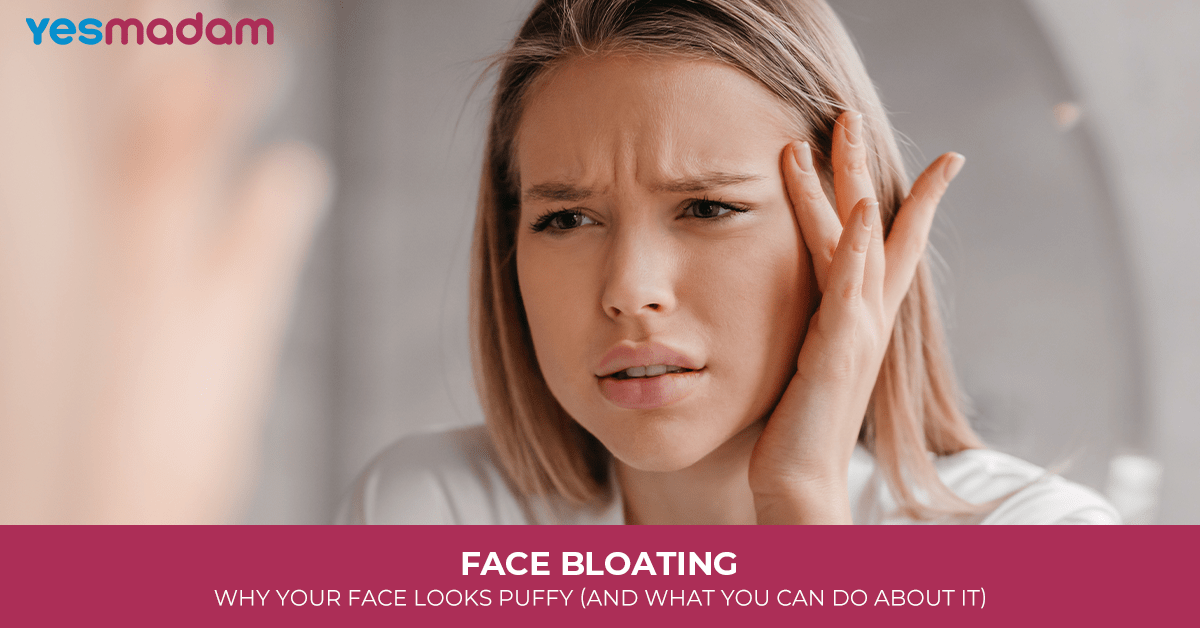
Face bloating: Why Your Face Looks Puffy (and What You Can Do About It)
You wake up, look in the mirror, and… ugh. Your cheeks seem fuller, your eyes look smaller, and your jawline has vanished overnight. If that sounds familiar, you’re not alone. Face bloating is one of those weirdly common things that can pop up out of nowhere, make you feel self-conscious, and leave you wondering what you did “wrong” the day before.
Here’s the good news: most of the time, facial puffiness isn’t anything serious. It’s usually your body’s way of saying something simple like “I’m holding water,” “I’m inflamed,” or “I’m tired.” And once you understand the “why,” fixing it becomes a whole lot easier.
Let’s break it all down in a real-life, no-panic way: what causes face bloating, how to reduce it quickly, and what habits keep it from haunting your mornings.
Table of Contents
What exactly is face bloating?
Face bloating is basically temporary swelling or puffiness in the face, often caused by fluid retention or inflammation. It can show up as:
- Puffy under-eyes
- Swollen cheeks
- A softer or rounder jawline
- Tightness around the face
- A general “I look different today but can’t explain why” vibe
It can last a few hours, a day, or sometimes longer, depending on the cause. And because the face is so visible, even mild bloating feels dramatic.
Before you assume it’s weight gain, remember: face bloating can happen even if your body weight hasn’t changed at all. Often, it’s water, not fat.
More Information For You: Stress on Face
Common causes of face bloating

There are lots of triggers, and sometimes more than one is working at the same time. Here’s what usually sits behind that puffy reflection.
1. Water retention from salt or carbs
If you ate something salty (chips, takeout, instant noodles, processed snacks) or heavy in refined carbs (pizza, pasta, sweets) the night before, your body may hold onto water.
Salt pulls water into your tissues. Carbs store water along with glycogen. Together? Boom, morning puffiness.
What it looks like: You feel puffy overall, not just in the face. Rings feel tight, and your face looks “fuller.”
2. Dehydration (yes, really)
This one feels backward, but it’s real. When you don’t drink enough water, your body goes into conservation mode and holds onto water to protect itself. That fluid buildup can show up as face bloating.
What it looks like: Dry lips, dull skin, headache, and puffiness, especially around the eyes.
3. Poor sleep or fatigue
Sleep is when your body drains excess fluid and reduces inflammation. If you’re sleeping late, sleeping poorly, or barely sleeping at all, your face may show it.
Plus, lying flat for too long can cause fluid to pool around your face.
What it looks like: Under-eye puffiness, heavy eyelids, and a slightly swollen face when you wake up.
4. Alcohol
Alcohol dehydrates you, disrupts your sleep, and can cause inflammation. Even a couple of drinks can lead to noticeable face bloating the next day.
What it looks like: Redness + puffiness, especially around cheeks and eyes.
5. Allergies or sinus issues
Seasonal allergies, dust, pet dander, or sinus infections can cause facial swelling. Your body releases histamines which inflame tissue and trap fluid.
What it looks like: Puffiness around eyes, nose area pressure, watery eyes, sneezing.
6. Hormonal shifts
Hormones affect fluid retention. Many people notice face bloating:
- Right before their period
- During ovulation
- In pregnancy
- With thyroid imbalance
- Due to stress hormones (cortisol)
What it looks like: Puffiness that comes and goes in a cycle, sometimes paired with bloating elsewhere.
7. Stress and high cortisol
When stress sticks around too long, cortisol rises. This can lead to fluid retention and inflammation, making the face look puffy.
What it looks like: A “rounder” look over time, often paired with jaw tension or breakouts.
8. Certain medications
Some meds can cause water retention or facial swelling, like:
- Steroids
- Antidepressants
- Blood pressure meds
- Allergy meds
- Hormonal contraceptives
If you’ve recently started something new and noticed swelling, it’s worth discussing with a doctor.
9. Food sensitivities
Sometimes your face bloats because your body doesn’t like what you ate, even if you’re not “allergic.” Common culprits include:
- Dairy
- Gluten
- Highly processed foods
- Artificial sweeteners
What it looks like: Puffiness after specific foods, sometimes paired with digestive issues.
10. Medical causes (less common but important)
Most facial puffiness is harmless, but if you notice sudden or severe swelling, it might be something that needs attention, like:
- Kidney issues
- Thyroid problems
- Infection
- Angioedema
- Severe allergic reaction
If swelling is painful, one-sided, sudden, or paired with breathing issues, get medical help.
How to reduce face bloating quickly (same-day fixes)
Alright, let’s talk solutions. If your face is puffy right now and you want relief, these are the most effective quick moves.
Start with water
Drink a big glass of water as soon as you wake up. If you can, sip steadily through the morning.
Hydration tells your body: “Relax, you don’t need to store water.”
Try a cold compress
Cold helps reduce inflammation and tighten tissue.
- Splash your face with cool water
- Use a chilled spoon under eyes
- Roll an ice cube wrapped in cloth gently over cheeks
- Try a cold jade roller if you have one
Even 2–3 minutes makes a difference.
Do a simple face massage
Lymphatic drainage helps move trapped fluid out of your face. Use light upward and outward strokes:
- From chin to ears
- From nose to temples
- Under the eyes outward
- Down the sides of neck
Do it with clean hands or a little moisturizer. Think gently, not aggressively.
Get moving
A short walk, light yoga, or even stretching helps circulation and fluid drainage. You don’t need a workout, just movement.
Cut salt for the day
If yesterday was salty, make today light and fresh:
- More fruits/veggies
- Lean protein
- Potassium-rich foods (banana, coconut water, spinach)
Potassium balances sodium and helps flush excess water.
Limit sugar and refined carbs
Sugar spikes inflammation and makes water retention worse. Choose whole foods and you’ll likely see puffiness drop by evening.
Don’t Miss: Rose Petal Powder Benefits For Skin
Long-term habits to prevent face bloating
Quick fixes are great, but if face bloating keeps returning, it’s your habits calling you out (gently). Here’s what helps in the long run.
1. Stay consistently hydrated
Don’t just “chug water when puffy.” Make hydration a daily baseline.
A good rule: your urine should be light yellow most of the day.
2. Balance sodium with real food
You don’t need to cut salt completely, but if most of your meals come from packets or restaurants, sodium adds up fast.
Try this rhythm:
- Weekdays: mostly home food
- Weekends: enjoy treats without guilt
Your face will thank you for the balance.
3. Prioritise sleep quality
Aim for consistent sleep timing more than perfection. Even 30–60 minutes more sleep can reduce morning facial puffiness.
If you often wake up puffy, try sleeping with your head slightly elevated.
4. Watch alcohol frequency
You don’t need to quit if you don’t want to. Just notice patterns:
- Do you always look puffy the next day?
- Does it happen after specific drinks?
Spacing alcohol out and drinking water alongside it helps a lot.
5. Track possible food triggers
If dairy or gluten makes you feel bloated in general, your face might be reflecting that.
A simple way to test:
Notice how your face looks 12–24 hours after eating certain foods. Patterns show up fast.
6. Manage stress realistically
Not “be stress-free.” That’s not life. But small daily decompression helps:
- A 10-minute walk
- Journaling
- Deep breathing
- Stretching before bed
Lower cortisol = less inflammation = less puffiness.
7. Treat allergies early
If your puffiness is allergy-based, prevention works better than rescue.
- Wash pillowcases often
- Avoid sleeping with windows open on high-pollen days
- Use a saline rinse for the sinuses
- Talk to a doctor if allergies are frequent.
Related Blog: Vitamin C Powder for Face
Face bloating vs face fat: how to tell the difference
A super common worry is: “Is this bloating… or did I gain weight?”
Here’s a quick reality check:
Face bloating usually:
- Comes on suddenly
- Changes from day to day
- It’s worse in the morning, better at night
- Feels soft or “watery”
- It may come with body puffiness too
Face fat usually:
- Increases slowly over weeks/months
- Doesn’t fluctuate much daily
- It isn’t tied to salt, sleep, alcohol, or cycles
- Feels more consistent
If your face changes fast, it’s almost always bloating.
When should you worry about face bloating?
Most of the time, puffiness is harmless. But see a doctor if you notice:
- Sudden severe swelling
- Swelling only on one side
- Pain, fever, or redness
- Swelling with breathing trouble
- Persistent puffiness for weeks
- Swelling plus fatigue, hair loss, or weight changes (possible thyroid issue)
Better to check and be safe than ignore something unusual.
Conclusion: Your face isn’t “broken”, it’s communicating
If you deal with face bloating, please don’t beat yourself up. Your body is not failing you; it’s giving you feedback. Puffiness is often about hydration, inflammation, and lifestyle rhythms, not permanent change.
Start simple: drink water, reduce salt, sleep better, move a bit, and notice triggers. The more you understand your patterns, the more control you’ll feel. And the mirror will stop feeling like a surprise every morning.
You don’t need perfection. You just need a few steady habits, and a little patience with your very human body.
FAQs
1. Why does my face look bloated in the morning?
Your body tends to hold onto fluid while you sleep, especially if you had salty food, alcohol, or poor sleep. Fluid can pool in facial tissues overnight and usually reduces as you move around during the day.
2. How long does face bloating usually last?
Face bloating often lasts a few hours to a day, depending on the cause. If it’s from salt or dehydration, it usually improves quickly with hydration and balanced meals.
3. Can drinking more water really reduce facial puffiness?
Yes. When your body feels properly hydrated, it stops storing extra water defensively. Consistent water intake is one of the easiest ways to reduce and prevent puffiness.
4. Does sugar cause face bloating?
Sugar can trigger inflammation and water retention, especially if you have it in large amounts. Many people notice more puffiness the day after sweets or sugary drinks.
5. Are cold rollers or ice packs actually effective?
They can help temporarily by reducing inflammation and tightening blood vessels. While they don’t fix the cause, they’re great for a quick visible reduction in puffiness.
6. Can allergies make your face puffy?
Absolutely. Allergies trigger histamine release, which causes swelling and fluid buildup in facial tissues. Puffy eyes and sinus pressure are common allergy signs.
7. Is face bloating linked to hormones?
Yes, hormonal shifts can cause water retention in the face. This is especially common before periods, during ovulation, or with thyroid imbalance.
8. What foods help reduce face bloating?
Potassium-rich foods like bananas, spinach, sweet potatoes, and coconut water help balance sodium. Fresh fruits, veggies, and lean proteins also reduce water retention.
9. How do I know if my facial bloating is serious?
If swelling is sudden, painful, one-sided, or comes with breathing issues, seek medical help. Also, check in with a doctor if puffiness lasts for weeks without clear lifestyle triggers.
10. Can face bloating happen even if I’m healthy?
Yes, totally. Even healthy bodies retain water sometimes due to sleep, stress, weather, or diet changes. Occasional puffiness is normal and usually nothing to worry about.