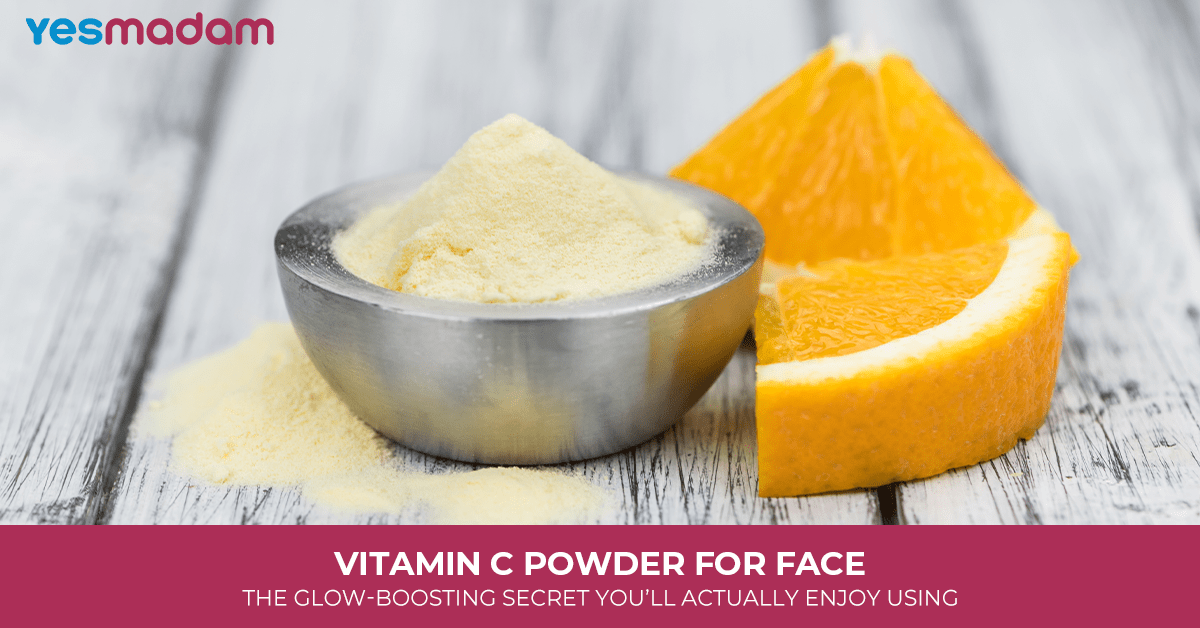
Vitamin C Powder for Face: The Glow-Boosting Secret You’ll Actually Enjoy Using
If you’ve been scrolling through skincare reels or reading ingredient labels lately, you’ve probably seen people rave about Vitamin C powder for face. And honestly? The hype isn’t random. Vitamin C is one of those rare ingredients that works for most skin types, tackles multiple concerns, and gives that “I slept 9 hours and drank water” glow, even when life says otherwise.
But powder form? That’s where things get interesting. It’s flexible, often more stable than liquid serums, and lets you customize strength based on what your skin can handle. Still, if you’re thinking, “How do I even use this without messing up my face?”, don’t worry. I’ve got you.
In this guide, we’re going deep but keeping it easy: what it does, why powder is special, how to use it safely, what to mix it with, and what not to do unless you enjoy surprise irritation.
Table of Contents
Why Vitamin C Is a Skincare Superstar

Vitamin C (aka ascorbic acid or its derivatives) is basically that overachiever friend in your skincare routine. It doesn’t just do one thing; it multitasks like a pro.
Here’s what makes it so loved:
- Brightens dull skin
- Helps fade pigmentation and acne marks
- Supports collagen for firmer skin
- Fights damage from pollution and sun exposure
- Gives a more even, healthier-looking tone
And yes, these benefits apply whether you use a serum or Vitamin C powder for face, the difference is mostly in how you deliver it to your skin.
What Makes Vitamin C Powder Different?
Let’s talk powder vs serum for a second. Serums are convenient, sure. But Vitamin C in liquid form is famously unstable. It oxidizes when exposed to air, light, and heat, which is why some serums turn orange or brown after a while. Once oxidized, Vitamin C is less effective and can even irritate skin.
Powder solves a lot of that.
Key advantages of powder:
- More stable shelf life (stays potent longer)
- Customizable concentration
- You can mix fresh each time
- Often, fewer preservatives or fillers
So if you’ve ever had a Vitamin C serum go bad halfway through the bottle, powder might feel like a breath of fresh air.
Benefits of Vitamin C Powder for Face
Now, let’s get into why people swear by this stuff.
1. Brightening That Looks Natural
Vitamin C helps reduce excess melanin production (aka the pigment that causes dark spots). Over time, your skin starts looking clearer and more radiant—not bleached, not artificial—just healthier.
2. Fades Dark Spots and Acne Marks
Post-acne marks can be stubborn. Vitamin C speeds up cell turnover and helps break down pigmentation, meaning those spots fade faster with steady use.
3. Smoothes Texture
When skin is protected from oxidative stress, it behaves better. You may notice fewer rough patches and a smoother look overall.
4. Protects Against Environmental Stress
Every day your skin deals with pollution, sunlight, dust, stress, Vitamin C fights off the free radicals from all that. Think of it like your skin’s daily shield.
5. Supports Firmness
Vitamin C boosts collagen production. That doesn’t mean instant anti-aging magic, but with time, skin appears plumper and more elastic.
More Information For You: Rose Water Benefits for Skin
Who Should Use Vitamin C Powder?
Most people can use it, but how you use it matters.
Great for:
- Dull, tired-looking skin
- Uneven skin tone
- Acne marks or sun spots
- Early signs of aging
- People whose serums oxidize too fast
Be extra careful if:
- You have very sensitive skin
- You’re dealing with active eczema/rosacea flare-ups
- Your skin barrier is damaged
You can still use Vitamin C powder in those cases, but start slow and at lower strength.
How to Use Vitamin C Powder for Face (The Right Way)
Okay, this is where most people mess up. They either use too much, mix it with the wrong thing, or slap it on daily from day one. Let’s not do that.
Before jumping into steps, here’s a key rule:
Vitamin C powder should always be mixed before applying. Never use it directly on dry skin.
Now, let’s break it down properly.
Step-by-Step Guide
Step 1: Cleanse First
Apply on clean skin. No makeup, no sunscreen residue—just your bare face.
Step 2: Mix a Small Amount
Start with a tiny pinch. Like, seriously tiny. Think 1/4 of a pea size.
Step 3: Choose Your Mixer
You want something gentle, hydrating, and compatible. Great options:
- Hyaluronic acid serum
- Aloe vera gel
- A simple moisturizer
- Plain water (if nothing else, but not ideal)
Step 4: Apply Evenly
Pat it in, don’t rub aggressively. Keep it away from corners of nose and eyes.
Step 5: Follow with Moisturizer
Even if you mixed it with one. Lock it in.
Step 6: Sunscreen in the Morning
Vitamin C makes your skin more resilient but still always wear SPF. Non-negotiable.
How Much to Mix? (Beginner to Advanced)
A lot of people ask this because they don’t want to overdo it.
Here’s a safe progression:
Beginner:
- 1 pinch Vitamin C powder
- Mix into 1–2 pumps of serum/moisturizer
- Use 2–3 times a week
Intermediate:
- Slightly larger pinch
- Same mixer ratio
- Use every other day
Advanced (only if your skin loves it):
- 1/4 scoop (if scoop provided)
- Stronger mix
- Use daily
Your skin should feel comfortable, not stingy or tight.
Best Time to Use Vitamin C Powder
Both morning and night can work, but here’s the vibe:
Morning:
- Extra antioxidant protection
- Helps shield from pollution + sun stress
- Great under sunscreen
Night:
- Helps repair pigmentation
- Less exposure to UV = calmer skin response
- Great if you’re sensitive to daytime layering
If you’re new, nighttime use is often more forgiving.
Don’t Miss: Egg White for Face
What to Mix Vitamin C Powder With (and What Not To)
Let’s add some context here because mixing is everything. The wrong combo can cancel out benefits or irritate your skin.
Best Things to Mix With
Hyaluronic Acid
It hydrates, calming, and helps Vitamin C absorb smoothly.
Aloe Vera
Soothing and cooling. Great for sensitive skin.
Niacinamide (Only if you’ve used both before)
Modern formulas can work together. If your skin tolerates it, this mix brightens hard.
Moisturizer
A great way to buffer strength.
Avoid Mixing With
Strong Acids (AHA/BHA)
This can be too intense, leading to redness or peeling.
Retinol
Both are strong activities. Use on alternate nights instead.
Benzoyl Peroxide
This can deactivate Vitamin C, so they don’t play nice.
DIY Vitamin C Powder for Face Recipes
Let’s be real: DIY is fun when done safely. Here are gentle, beginner-friendly mixes.
DIY Mix 1: Brightening Booster
- 1 pinch Vitamin C powder
- 1 pump of hyaluronic acid serum
Mix and apply like a serum.
DIY Mix 2: Calming Glow Pack
- 1 pinch Vitamin C powder
- 1 tsp aloe vera gel
- Optional: 1 drop glycerin
Leave on for 10–15 minutes, rinse.
DIY Mix 3: Overnight Glow Cream
- 1 pinch Vitamin C powder
- A pea-sized amount of your moisturizer
Mix in palm and apply as the last step at night.
How Long Until You See Results?
Not instantly, this isn’t a Snapchat filter. But it is reliable.
Typical timeline:
- 1–2 weeks: skin looks fresher, slightly brighter
- 3–6 weeks: noticeable fading of spots, smoother tone
- 8–12 weeks: deeper pigmentation + texture improvements
Consistency matters more than strength.
Common Mistakes to Avoid
Let’s save your skin from unnecessary drama:
- Using too much too soon
More powder ≠ faster results. - Applying powder directly
This can burn your skin. Always mix. - Not wearing sunscreen
You’ll lose half the benefits without SPF. - Mixing with everything at once
Keep combos simple. - Storing powder in humid areas
Moisture can clump it and reduce potency.
Side Effects and How to Prevent Them
Vitamin C is generally safe, but if misused:
Potential issues:
- Mild tingling
- Dryness
- Redness
- Breakouts (usually from overuse)
Prevention:
- Start low and slow
- Buffer with moisturizer
- Patch test first
- Use only 2–3x weekly at the beginning
If irritation sticks around, pause and let your barrier recover.
How to Choose a Good Vitamin C Powder
Not all powders are equal. Here’s what to check:
- Pure L-Ascorbic Acid if you want max results
- Packaging should be opaque and airtight
- No added fragrance if you’re sensitive
- A clear concentration guide or scoop is a plus
If the powder smells weird or turns yellowish quickly, it may be oxidizing too fast.
Conclusion
Absolutely, if you use it correctly. Vitamin C powder for face gives you freshness, flexibility, and real results without the common serum oxidation problem. It can brighten dull skin, fade stubborn spots, support collagen, and protect your skin from daily stress. The key is to start gently, mix thoughtfully, and stay consistent.
You don’t need a 12-step routine. Just one well-used ingredient can change the whole vibe of your skin over time. And Vitamin C powder? It’s one of the smartest ways to do that.
FAQs
1. Can I use Vitamin C powder for face every day?
Yes, but only after your skin adjusts. Start 2–3 times a week, then slowly increase. Daily use is best for experienced users with no irritation.
2. Does Vitamin C powder help with acne scars?
It can definitely fade post-acne marks by reducing pigmentation and encouraging cell turnover. Results show best with consistent use for several weeks.
3. What should I mix Vitamin C powder with if I have dry skin?
Mix it with hyaluronic acid serum or a rich moisturizer. These hydrate and reduce the chance of dryness or irritation.
4. Can sensitive skin use Vitamin C powder for face?
Yes, but carefully. Use a tiny amount mixed into moisturizer and apply only twice a week at first to test tolerance.
5. Is tingling normal when using Vitamin C powder?
A mild tingle can happen, especially at first. But if it burns or stays red for hours, wash it off and reduce frequency.
6. Can I use Vitamin C powder with retinol?
Not in the same routine. Use Vitamin C in the morning and retinol at night, or alternate nights to avoid irritation.
7. How do I store Vitamin C powder properly?
Keep it in a cool, dry place away from sunlight and humidity. Always close the lid tightly to prevent oxidation.
8. Will Vitamin C powder lighten my skin?
It doesn’t bleach skin. It brightens by reducing excess pigment and evening tone, so your natural complexion looks clearer.
9. Can I mix Vitamin C powder into my sunscreen?
Not recommended. It can destabilize your SPF formula and reduce protection. Use Vitamin C underneath instead.
10. What if Vitamin C powder causes breakouts?
That usually means you used too much too soon or mixed it with a heavy product. Stop for a week, then reintroduce slowly with a lighter base.