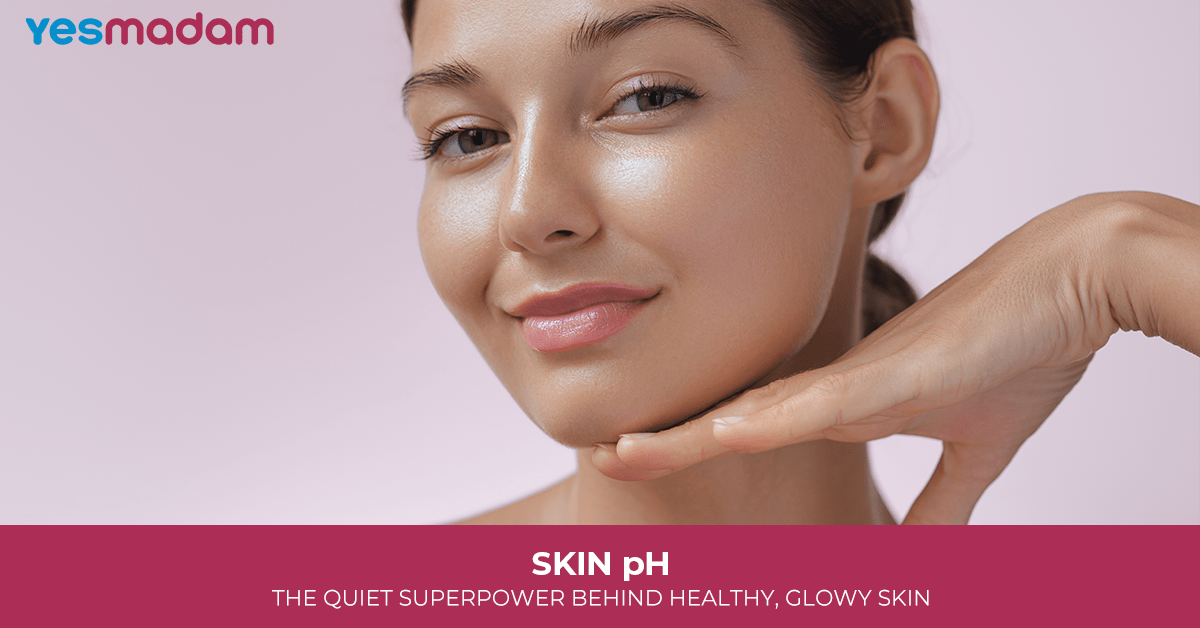
Skin pH: The Quiet Superpower Behind Healthy, Glowy Skin
If you’ve ever wondered why your skin randomly gets dry, breaks out, or feels irritated even after using “good” products, Skin pH might be the missing piece. I know, pH sounds like something from a science textbook, but it actually plays a huge role in how your skin behaves day to day. And the best part? Once you understand it, choosing products and building a routine gets so much easier.
In this guide, we’re going deep, but in a friendly, no-confusing-jargon way. We’ll talk about what Skin pH is, what a healthy pH looks like, what throws it off, and how to fix it without overcomplicating your life. Think of this as your Skin pH reset manual.
Table of Contents
What Exactly Is Skin pH?

Before we jump into routines or product advice, let’s get clear on the basics.
The Meaning of pH on Skin
pH stands for “potential of hydrogen,” and it measures how acidic or alkaline something is on a scale of 0 to 14.
- 0–6 = acidic
- 7 = neutral
- 8–14 = alkaline
Your skin isn’t neutral. It’s meant to be slightly acidic, which is a good thing.
More Information For You: How to Reduce Melanin in Skin Safely
What Is a Healthy Skin pH Range?
Most healthy skin sits around 4.5 to 5.5, which is mildly acidic. This slightly acidic surface is called the acid mantle, a thin protective film your skin makes naturally.
This range helps your skin:
- Keep moisture in
- Keep bad bacteria out
- Stay calm and resilient
- Heal faster
- Glow more naturally
So yeah… Skin pH is kind of a big deal.
Why Skin pH Matters More Than You Think
Let’s not treat Skin pH like a random beauty trend. It’s one of the foundations of skin health.
Skin pH and Your Barrier Function
Your skin barrier is like your body’s bouncer. It decides what gets in and what stays out. When Skin pH is balanced, the barrier works smoothly.
But when pH rises (becomes more alkaline), the barrier gets weaker. That’s when you notice:
- Dryness
- Irritation
- Sensitivity
- Redness
- Rough texture
- Breakouts
Basically, your skin becomes more reactive because it’s not protected properly.
Skin pH and Your Skin Microbiome
Your face is home to billions of tiny organisms, good bacteria, fungi, and microbes. Together they’re called the skin microbiome.
A balanced Skin pH keeps these microbes in harmony.
If pH goes too high, harmful bacteria (like acne-causing C. acnes) get comfy and multiply. That’s why pH imbalance often shows up as pimples, congestion, or inflammation.
Skin pH’s Effect on Aging
Here’s a subtle one: with age, Skin pH naturally shifts upward. That can slow down the enzyme activity responsible for:
- collagen support
- natural exfoliation
- lipid production
So when Skin pH is off, skin can look dull, feel thinner, and develop more fine lines over time. Not overnight, but gradually.
Don’t Miss: Shower Gel vs Soap
What Causes Skin pH Imbalance?

Okay, so if Skin pH is so important, why does it get thrown off so easily?
Let’s talk about some real-life disruptors.
Over-Cleansing or Harsh Cleansers
That squeaky-clean feeling after washing your face? Yeah, that’s often a sign your cleanser was too alkaline.
Many soaps and foaming washes have a high pH (around 8–10). Using them regularly strips the acid mantle and raises Skin pH.
Hot Water Washing
Hot water feels relaxing, but it dissolves skin lipids faster and shifts Skin pH upward. Warm water is a safer bet.
Over-Exfoliation
Exfoliating too often (especially with strong acids or scrubs) can damage the acid mantle.
Your skin then struggles to regulate itself, and pH swings become more common.
Environmental Stress
Pollution, UV rays, and even dry air all affect the skin barrier. When the barrier weakens, Skin pH often rises along with inflammation.
Certain Skincare Products
Not all products are pH-friendly. Some toners, soaps, or DIY mixes (like lemon or baking soda masks) can push Skin pH way out of range.
And once it shifts, your skin takes time to recover.
How to Tell If Your Skin pH Is Off
Sometimes your skin doesn’t scream, “My pH is wrong.” It whispers. Here are a few common signs.
Your Skin Feels Tight After Washing
If your face feels stretchy or tight right after cleansing, your skin might be too alkaline.
You’re Suddenly Sensitive to Products
When Skin pH is off, your barrier weakens. Products you used to tolerate might now sting or cause redness.
Breakouts That Won’t Quit
Especially if acne is paired with dryness or irritation. That combo often points to pH imbalance.
Dullness and Rough Texture
A healthy Skin pH supports gentle, natural exfoliation. When pH shifts, dead cells don’t shed properly, leading to buildup.
Related Blog: Face bloating
How to Balance Skin pH (Without a 12-Step Routine)
Now for the practical part. Let’s restore balance in a way that fits real life.
Before diving into the tips, remember: balancing Skin pH isn’t about obsessing over numbers. It’s about supporting the skin so it can regulate itself again.
Choose a Low-pH Cleanser
Look for cleansers labeled:
- “pH-balanced”
- “low pH”
- “gentle” or “barrier-supporting.”
A cleanser close to skin’s natural pH range (around 5–6) cleans without stripping your acid mantle.
Don’t Wash Too Often
- Twice a day is plenty for most people.
- If you’re dry or sensitive, even once a day at night can be enough.
Use a pH-Friendly Toner (Optional but Helpful)
Not everyone “needs” toner, but a gentle, hydrating toner can help bring Skin pH back down after cleansing.
Avoid alcohol-heavy or astringent toners; they usually do more harm than good.
Add Barrier-Loving Ingredients
These ingredients support your acid mantle and help normalize Skin pH naturally:
Ceramides
They refill the skin’s natural fats, so moisture stays in and pH stays stable.
Niacinamide
This is like the peacekeeper ingredient. It reduces inflammation and improves barrier strength.
Panthenol (Vitamin B5)
Super soothing, great for helping skin recover from pH disruption.
Gentle Acids (Used Wisely)
Lactic acid or mandelic acid in low strengths can gently encourage an acidic environment without overdoing it.
Moisturize Like You Mean It
A good moisturizer creates a protective seal so your skin can rebuild its acid mantle.
Even oily skin needs moisture, often especially oily skin, because over-drying can raise pH and trigger more oil.
Sunscreen Every Day
UV damage disrupts the barrier and shifts Skin pH upward. Daily sunscreen is a long-game Skin pH protector.
Skin pH and Different Skin Types
Not everyone’s Skin pH behaves the same way. Here’s how to think about it based on your skin type.
Oily or Acne-Prone Skin
Oily skin often has a slightly lower pH naturally, but harsh acne products can swing it too high. So the key is balance, not stripping.
Dry or Sensitive Skin
Dry skin usually struggles to maintain acidity. It benefits the most from:
- low-pH cleansing
- rich moisturizers
- fewer active ingredients
Combination Skin
You might have different pH behavior in different zones. Gentle routines help even things out more than targeted “fixes.”
Common Myths About Skin pH
Let’s clear up a few confusing ideas floating around.
Myth 1: “If My Skin Is Acidic, I Need to Make It Alkaline”
Nope. Your skin should be slightly acidic. That’s how it protects itself.
Myth 2: “Natural DIY Ingredients Are Automatically pH-Safe”
Also nope. Lemon juice is super acidic, baking soda is super alkaline, and both can wreck your acid mantle.
Myth 3: “More Actives = Better Skin”
Too many actives often equals higher pH and a weaker barrier. Skin likes consistency more than chaos.
Final Thoughts
If there’s one takeaway from all this, it’s that Skin pH is like your skin’s operating system. When it’s balanced, everything else, hydration, glow, texture, calmness, starts running smoothly.
You don’t need a lab coat or a shelf full of fancy products. A gentle cleanser, barrier-supporting ingredients, and less overdoing it can bring your Skin pH back to its happy place.
And when your pH is happy? Your skin is happy. Simple as that.
FAQs
1. What is Skin pH in simple words?
Skin pH is a measure of how acidic or alkaline your skin surface is. Healthy skin is slightly acidic, which helps it stay protected, hydrated, and balanced.
2. What happens if Skin pH is too high?
When Skin pH rises and becomes more alkaline, your barrier weakens. That can lead to dryness, irritation, sensitivity, and more frequent breakouts.
3. Can I test my Skin pH at home?
Yes, you can use pH strips designed for skin, but results may vary depending on sweat, products, or time of day. Focus more on skin behavior than exact numbers.
4. Is Skin pH the same for everyone?
Not exactly. It varies slightly by genetics, age, skin type, climate, and routine. But most healthy skin stays within the 4.5–5.5 range.
5. Does acne mean my Skin pH is off?
It can. Many acne cases involve a disrupted acid mantle, especially if the skin is also dry or irritated. Restoring pH balance often helps acne calm down.
6. Are foaming cleansers bad for Skin pH?
Not all, but many foaming cleansers are more alkaline and stripping. If your skin feels tight after cleansing, switch to a low-pH gentle formula.
7. How long does it take to fix Skin pH?
Usually a few days to a couple of weeks, depending on how damaged the barrier is. Consistency matters more than quick fixes.
8. Does moisturizer affect Skin pH?
Yes, a good moisturizer helps maintain Skin pH by sealing in moisture and supporting the acid mantle. Skipping moisturizer can lead to pH imbalance over time.
9. Can over-exfoliating change Skin pH?
Absolutely. Over-exfoliation strips protective oils and disrupts the acid mantle, making Skin pH more alkaline and skin more reactive.
10. What’s the easiest way to protect Skin pH daily?
Use a gentle low-pH cleanser, moisturize well, and wear sunscreen. Avoid harsh scrubs or DIY recipes that push skin too acidic or alkaline.