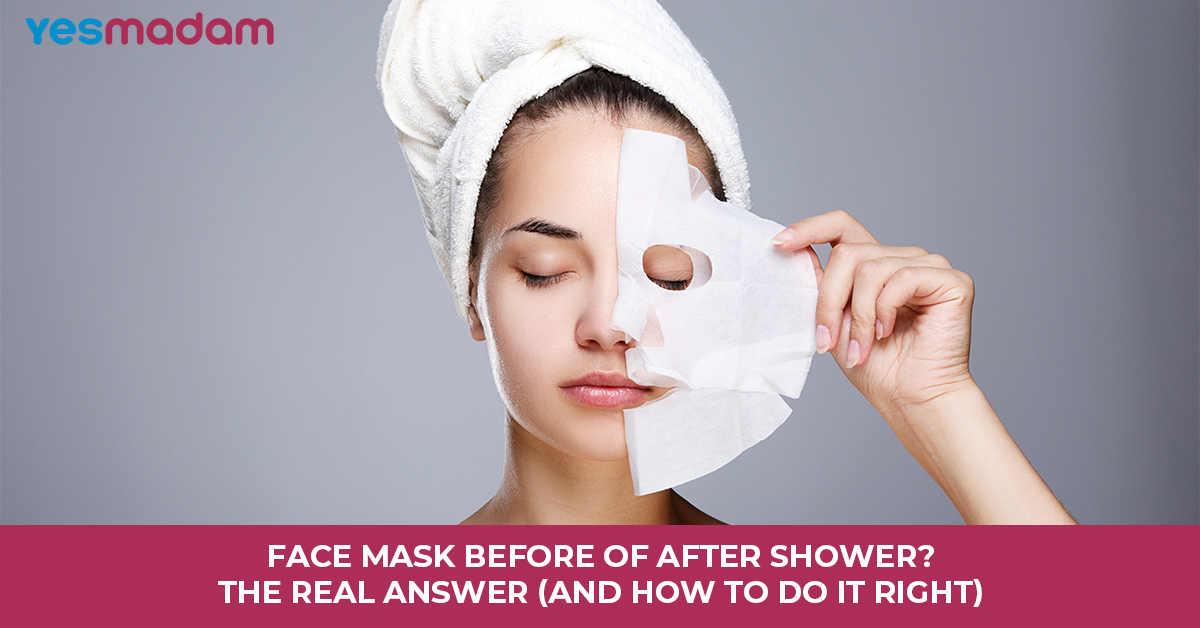
Face Mask Before of After Shower? The Real Answer (and How to Do It Right)
If you’ve ever stood in your bathroom holding a face mask and thinking, “Wait… should I do this now or after I shower?” you’re not alone. The question Face mask before of after shower sounds simple, but the right answer depends on your skin type, your mask type, and what you want your skin to feel like afterward.
Some people swear by masking before showering because it fits neatly into their routine. Others say after showering is the only way to get a true glow. And honestly? Both camps have a point. Let’s unpack it properly, without confusion or skincare myth overload.
Table of Contents
Why Timing Even Matters for Face Masks
Face masks aren’t just “extra skincare.” They work by pushing specific ingredients into your skin or pulling impurities out. Timing changes how well they do that.
Your skin behaves differently:
- Before showering: the skin is cooler, pores are tighter, and there may be dirt, sunscreen, or makeup sitting on top.
- After showering: the skin is warm, slightly damp, and pores are naturally more relaxed.
That difference affects absorption, sensitivity, and results, so timing isn’t a random choice.
Face Mask Before Shower: When It Makes Sense
Doing a mask before the shower is totally valid, as long as it fits the type of mask you’re using and what your skin needs.
The main advantage
When you mask before showering, you can rinse everything off easily in the shower. It’s efficient, low-mess, and helps you stay consistent and consistency is really what gives results.
Also, if you’re following a pre-shower skincare routine, this can feel like a natural first step.
When pre-shower masking works best
- You’ve been wearing makeup or sunscreen and want the mask to help loosen things.
- You’re using a wash-off mask that doesn’t need long absorption time.
- You’re short on time and want a quick reset.
Masks that love the “before shower” slot
Cleansing or detox masks
These help remove oil, sweat, and grime. Doing them before showering lets you rinse everything off thoroughly afterward.
Exfoliating masks (mild ones)
If a mask contains gentle acids or fruit enzymes, using it before showering can reduce irritation, and then showering washes away residue cleanly.
Face Mask After Shower: When It’s Actually Better
Now here’s where post-shower masking shines. The warmth from your shower (especially if it’s steamy) softens the top layer of skin and loosens pore buildup. That means ingredients can penetrate more effectively.
Think of it like painting on a freshly primed wall instead of a dusty one.
The main advantage
Your skin absorbs better after showering, especially if your pores have been relaxed by steam-opened pores.
When post-shower masking is the better move
- You want maximum ingredient absorption.
- Your mask is hydrating or calming.
- You’re working on glow, plumpness, or barrier repair.
- Your skin feels tight after showering and needs comfort.
Masks that love the “after shower” slot
Hydrating masks
These are designed to soak into skin, not just sit on top. Post-shower is prime time for that.
Overnight or leave-on masks
Leave-on masks need a clean, receptive base. Applying them after showering makes them work harder.
More Information For You: Food to Reduce Melanin In Skin
The Mask Type Rule: Timing Depends on What You’re Using
Here’s the simplest way to decide: don’t start with the shower — start with the mask type.
Below is a practical guide you can follow without overthinking.
Clay Masks
Clay masks pull oil and impurities out. They can work both times, but:
- Before shower: great if your face is already clean and you want a quick detox.
- After shower: even better if you’re dealing with clogged pores, because warm skin helps extraction.
This is where clay mask timing actually matters most.
Sheet Masks
Sheet masks are all about hydration and nutrition.
They’re best after showering because your skin is ready to drink up the serum — leading to that soft, bouncy post-shower glow people love.
That’s why sheet mask hydration works better when your face is warm and clean.
Gel / Soothing Masks
These calm redness and irritation. If your skin flares after hot water, applying a gel mask post-shower can cool everything down beautifully.
Exfoliating Masks
If it’s a stronger exfoliating mask (AHA/BHA), do it after showering only if your skin tolerates it well. Otherwise, pre-shower can be gentler.
Peel-Off Masks
Honestly? These are the wildcards. They need clean, dry skin, so use them before showering on a freshly washed face or after showering only if skin is fully dry.
Skin Type Breakdown: What’s Best for You?

Now let’s make it personal. Here’s how to choose based on your skin type.
Oily or Acne-Prone Skin
You’ll benefit from masking after showering if you’re using clay or detox masks. Warm skin + relaxed pores = deeper cleanup.
But if you sweat a lot or wear makeup daily, cleansing masks before showering can still be a smart habit.
Dry Skin
Dry skin usually dislikes masks that “pull.” You’ll get better results post-shower with hydrating, barrier-repair masks.
Combination Skin
Mix it up:
- Detox or clay masks before showering (T-zone)
- Hydrating masks after showering (cheeks)
Sensitive Skin
Sensitive skin needs gentle timing and gentle products. Post-shower is okay if the water wasn’t too hot, but if your skin gets red easily, try pre-shower masking instead.
Also, follow sensitive skin tips like cooling your skin for a minute after showering before applying anything active.
The Ideal Routine (Without Making It Complicated)
Skincare should be effective, not exhausting. Here’s a simple routine that works for most people.
If you mask before a shower
- Cleanse first (always).
- Apply the mask to clean skin.
- Shower and rinse the mask off.
- Finish with moisturizer.
If you mask after a shower
- Shower.
- Pat face dry gently (don’t rub).
- Apply the mask right away.
- Rinse or remove mask.
- Seal with serum + moisturizer.
Golden rule: never apply a mask on dirty skin. It blocks the ingredients and traps grime, which is one of the most common masking mistakes people don’t realize they’re doing.
Don’t Miss: Dry Fruits For Skin
Extra Things That Quietly Change the Outcome
A few sneaky factors can affect whether masking before or after a shower works better.
Water temperature
Hot showers can make skin sensitive or dry. If your showers are hot, post-shower masking should be calming or hydrating, not stripping.
Length of the shower
A quick 3–5 minute shower won’t open pores much. A longer steamy shower will.
Your cleanser
If you use a strong cleanser in the shower, pre-shower masking might be gentler for your barrier because you’re not stacking too many “cleansing” steps together.
What Dermatologists Usually Recommend
Most experts lean toward:
- Hydrating and treatment masks after showering
- Cleansing masks before or after, depending on tolerance
In general, this is pretty dermatologist-approved advice, but remember, your skin’s response is always the final judge.
Final Verdict
So, let’s bring it home.
If you’re doing a cleansing/detox/clay mask, either works, but after showering usually boosts results because pores are relaxed.
If you’re doing a hydrating/soothing/sheet/leave-on mask, after showering is the clear winner because absorption is better.
In short: Face mask before of after shower isn’t a one-answer question. The best time is the one that matches your mask type, your skin type, and your routine — and that you can actually stick with.
FAQs
Can I apply a face mask in the shower?
Yes, but only certain masks work well there. Wash-off masks are fine, but sheet masks slip and exfoliating masks may run into your eyes.
Should I cleanse my face before using a mask if I’m masking pre-shower?
Absolutely. Even if you’re about to shower, a mask needs clean skin to work properly and not trap dirt underneath.
Does shower steam really open pores?
Steam doesn’t “open” pores permanently, but it softens oil and debris inside. That makes cleansing masks work better after a warm shower.
Is it okay to mask every day?
Not usually. Hydrating masks can be used more often, but detox or exfoliating masks daily can damage your barrier and cause irritation.
What if my skin gets red after showering?
Wait 5–10 minutes after showering before masking. Let your skin cool down so you don’t apply active ingredients onto already-sensitized skin.
Can I use a clay mask after a hot shower?
Yes, but follow with hydration. Hot water already dries skin slightly, so clay afterward should always be balanced with moisturizer.
Should I moisturize after rinsing off a face mask?
Always. Masks can leave skin vulnerable or slightly dry, and moisturizer locks in the benefits you just added.
What’s better for acne masking, before or after a shower?
Usually, after showering, especially with clay or salicylic masks. Your skin is softer, and pore buildup is easier to remove.
Can I use a sheet mask before showering?
You can, but it’s not ideal. Showering right after can rinse away leftover serum, so you lose some of the hydration benefit.
How long should I wait between showering and masking?
If your shower was warm (not hot), you can mask right away. If it was hot, wait a few minutes so your skin calms down first.