How to Reduce Melanin in Skin Safely: A Realistic, Science-Backed Guide to Brighter, Even-Toned Skin
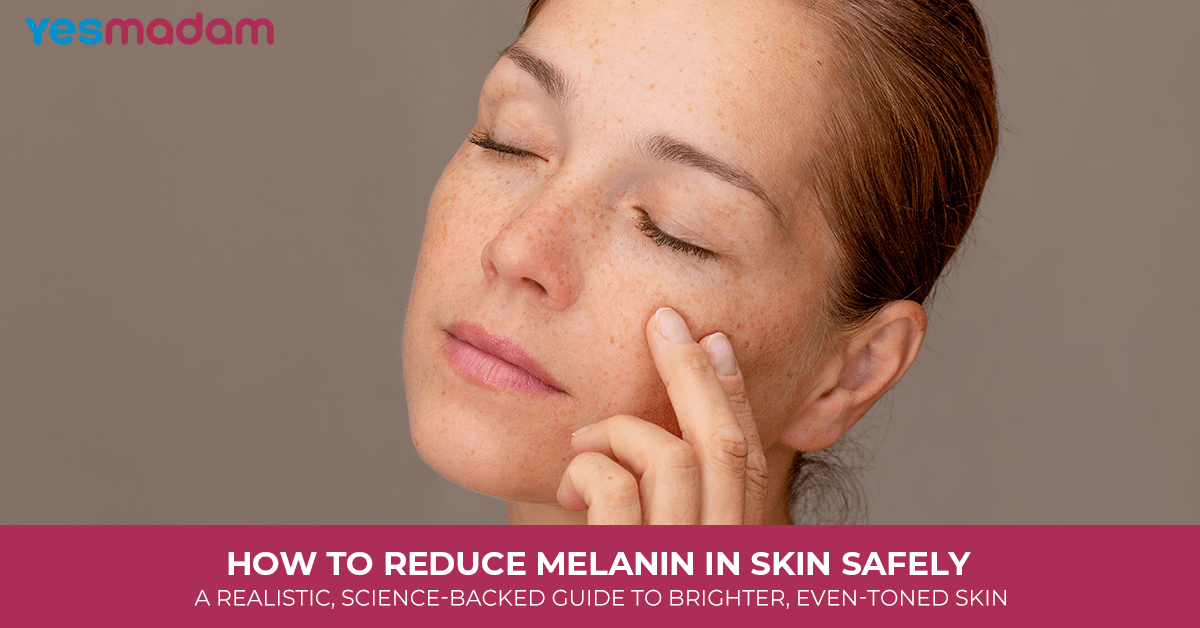
If you’ve been googling how to reduce melanin in skin, you’re probably dealing with dark spots, tanning, melasma, or uneven tone that just won’t budge. First, a quick reality check (in a good way): melanin isn’t your enemy. It’s your skin’s natural defense system against UV damage. But when melanin is produced in excess or in patches, it shows up as hyperpigmentation, those stubborn, darker areas many of us want to fade.
In this guide, I’ll walk you through what actually works, what’s hype, and how to approach pigmentation with patience and care. We’ll cover home habits, topical ingredients, clinic options, food and lifestyle support, and a simple routine you can follow without overwhelming your shelf.
Table of Contents
Understanding Melanin (So You Know What You’re Treating)

Melanin is a pigment made by melanocytes in your skin. Its job is simple: protect you. When UV light hits your skin, melanin production ramps up to shield cells from damage. This is why you tan.
Why Melanin Sometimes Goes Overboard
Extra pigment can be triggered by:
- Sun exposure (even small daily doses add up)
- Inflammation from acne, friction, waxing, or eczema (post-inflammatory hyperpigmentation)
- Hormonal shifts (pregnancy, birth control, thyroid issues, common with melasma)
- Genetics and skin tone (darker skin tones produce melanin more readily, normal, not “bad”)
So the goal isn’t to erase melanin completely. It’s to regulate overproduction and fade uneven deposits.
More Information For You: Shower Gel vs Soap
What Can Actually Reduce the Appearance of Melanin?
Before we get into solutions, here’s the honest truth: you can’t switch off melanin forever. You can reduce excess pigment, prevent new darkening, and keep your skin tone more even over time. Think “management,” not “magic.”
Now, let’s get practical.
Daily Habits That Make the Biggest Difference

Your everyday choices matter more than any fancy serum. This section is the “boring but powerful” part.
Sun Protection Is Non-Negotiable
If you do only one thing, do this. UV exposure is the #1 driver of melanin spikes. Even treatments that work will fail if you skip sunscreen.
Simple rules:
- Use broad-spectrum SPF 30–50 daily.
- Reapply every 2–3 hours outdoors.
- Add hats, sunglasses, and shade when possible.
And yes, this matters for every skin tone. Melanin gives some UV filtering, but not enough to prevent pigmentation or long-term damage.
Treat Inflammation Fast
Pigmentation loves irritation. If you pick acne, over-scrub, or use harsh products, melanin responds like a protective alarm system.
Try:
- Gentle cleansing
- No aggressive physical scrubs
- Calming moisturizers
- Treating acne early instead of “waiting it out”
Consistency Beats Intensity
A steady routine for 8–12 weeks will outperform a chaotic mix of harsh products. Hyperpigmentation fades slowly because melanin sits deep in the skin.
Topical Ingredients That Reduce Pigmentation
Topicals work by either slowing melanin formation, speeding up cell turnover, or both. You don’t need all of them at once, just a smart combo.
Vitamin C
Vitamin C is an antioxidant that interferes with melanin pathways and brightens overall tone. Great for fresh tanning and mild dark spots.
Tip: Use in the morning under sunscreen.
Niacinamide
Niacinamide reduces pigment transfer between skin cells and also supports the skin barrier. It’s gentle and works for most skin types.
Retinoids (Retinol / Tretinoin)
Retinoids speed up cell turnover, pushing pigment upward and out faster. They’re especially helpful for acne marks. Expect dryness at first.
Start slow: 2–3 nights a week, moisturizer on top.
Azelaic Acid
Azelaic acid reduces melanin activity and calms inflammation, making it a favorite for rosacea or acne-prone skin with pigmentation.
Kojic Acid / Alpha Arbutin / Licorice Extract
These are good “supporting actors.” They help slow melanin production and are commonly found in brightening serums.
Hydroquinone (Use With Guidance)
Hydroquinone is a strong pigment reducer, but it should be used carefully and usually under medical advice, especially in medium-to-dark skin tones. Overuse can backfire.
Natural Approaches That Support Fading
Let’s add some context before we jump into “natural” solutions: natural doesn’t automatically mean safer or better. But there are gentle, supportive options that help when paired with a solid routine.
Aloe Vera and Soothing Botanicals
Aloe can reduce inflammation, which indirectly helps prevent worsening pigmentation. It’s not a bleach; it’s more a “calm and support” ingredient.
Mild Exfoliation (AHAs/Lactic Acid)
Chemical exfoliants can help lift surface pigment. Go for low strengths once or twice a week to avoid irritation.
Sleep and Stress Management
Stress hormones can worsen melasma and slow skin healing. Even small improvements in sleep and stress levels can help your skin recover faster.
Food & Lifestyle: Helpful, But Not Miraculous
Diet doesn’t “bleach” skin. But nutrients that reduce oxidative stress can support healthier skin turnover and recovery.
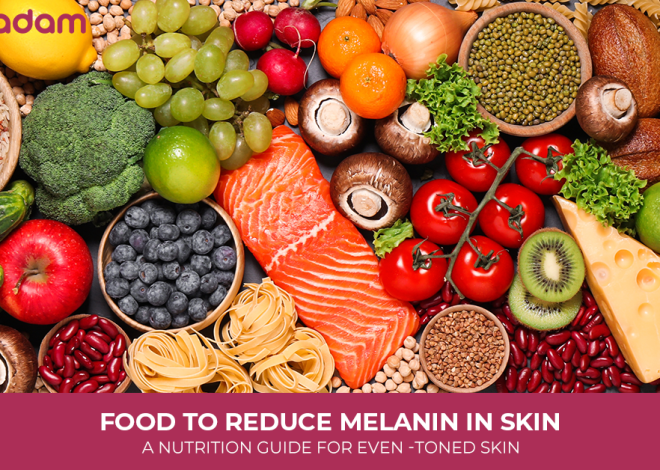
If you’re wondering which food decrease melanin in skin, focus on foods that support skin repair and fight inflammation.
Antioxidant-Rich Foods
Think:
- Berries
- Leafy greens
- Citrus
- Nuts & seeds
- Cocoa in moderation
These foods are rich in antioxidants that help defend your skin from pigment triggers.
Vitamin C and E Sources
Foods like amla, oranges, guava, almonds, sunflower seeds, and spinach support collagen and reduce oxidative stress.
Hydration + Low Glycemic Meals
High sugar spikes inflammation in some people, which can worsen post-acne marks. It’s not about “perfect” eating, just more balance.
Don’t Miss: Potato for Face
Dermatology Treatments for Faster Results
If topicals and habits aren’t enough, clinics can help a lot. But they work best with a good home routine.
Professional treatments target deeper pigment layers that creams can’t reach quickly.
Chemical Peels
Peels (like glycolic, salicylic, or mandelic acid) remove surface layers and reduce pigment over time.
Laser and Light Therapies
Lasers break down melanin clusters. They can be effective, but must be chosen carefully for darker skin to avoid rebound pigmentation.
Microneedling + Brightening Serums
Microneedling can help with acne marks and melasma when combined with pigment inhibitors.
Putting It All Together: A Simple Routine
Here’s a starter plan aimed at people asking how to reduce melanin production in skin without wrecking their barrier.
Morning
- Gentle cleanser
- Vitamin C or niacinamide serum
- Moisturizer
- Sunscreen (SPF 30–50)
Night
- Gentle cleanser
- Retinol/retinoid (2–3 nights/week)
- Azelaic acid or kojic/arbutin serum on alternate nights
- Moisturizer
Weekly
- Mild AHA exfoliation 1–2x/week
- No harsh scrubs
Stick with it for at least 8 weeks before judging results.
Realistic Expectations (Because You Deserve Honesty)
People often ask:
- how to decrease melanin in skin permanently
- how to remove melanin from skin
- removal of melanin from the skin
Here’s the truth: melanin is essential and your body keeps producing it. What you can do is fade excess pigmentation and prevent it from returning quickly. Some conditions (like melasma) are chronic and need ongoing maintenance.
If you’re hoping for how to reduce melanin in skin permanently naturally, think of it as “long-term control naturally,” not a one-time erase.
Common Mistakes That Make Pigmentation Worse
Over-Exfoliating
More isn’t better. Irritation triggers more pigment.
Skipping Sunscreen Because You’re Indoors
Window light still contains UV that can darken spots.
Mixing Too Many Actives
Vitamin C + retinol + acids + scrubs = angry skin = more pigment.
Conclusion
So, how to reduce melanin in skin in a way that’s safe, effective, and realistic? Start with sun protection, keep inflammation low, use proven brightening ingredients consistently, and support your skin with good lifestyle habits. If needed, professional treatments can accelerate results, but they still rely on your daily routine.
If you’ve been thinking how can i reduce melanin in my skin or can we reduce melanin in skin at all, the answer is yes, excess melanin and uneven patches can absolutely be reduced. Just remember that healthy melanin is part of healthy skin. Your goal is balance, not elimination.
And if you’re still wondering how to reduce melanin from skin naturally, the best “natural” plan is honestly the simplest: sunscreen, gentle care, antioxidants, and patience.
FAQs
1. What causes skin to produce too much melanin?
Excess melanin is usually triggered by sun exposure, inflammation (like acne), hormones, or skin injuries. Your skin produces more pigment as a protective response.
2. How to reduce melanin in skin naturally without products?
Focus on strict sun protection, avoiding skin irritation, staying hydrated, and eating antioxidant-rich foods. These steps don’t bleach skin, but they help prevent and fade excess pigment gradually.
3. How to less melanin in skin after tanning?
Post-tan pigment fades with time, sunscreen, and gentle brighteners like vitamin C or niacinamide. Avoid scrubbing; it can cause inflammation and deepen discoloration.
4. How to decrease the melanin in skin from acne marks?
Use retinoids, azelaic acid, and niacinamide while protecting skin from sun daily. Acne marks usually respond well over 8–12 weeks of consistent routine.
5. Is it safe to use hydroquinone for pigmentation?
Yes, but only for limited periods and ideally with dermatologist guidance. Overuse may irritate skin or cause rebound pigmentation, especially in deeper skin tones.
6. Can home remedies like lemon reduce pigmentation?
Lemon can irritate skin due to acidity and sunlight sensitivity, which may worsen pigmentation. Safer options include aloe vera, mild AHAs, and sunscreen.
7. How to reduce melanin in skin permanently naturally at home?
You can’t permanently stop melanin production, but you can control excess pigment long-term with consistent sunscreen, gentle actives, and inflammation control. Think maintenance, not a one-time fix.
8. Do lasers work on all skin tones?
Lasers can work beautifully, but settings must be chosen carefully for medium-to-dark skin to avoid burns or rebound darkening. Always go to a dermatologist experienced with your skin tone.
9. How to reduce melanin in skin naturally for sensitive skin?
Start with niacinamide or azelaic acid, moisturize well, and avoid strong acids or frequent exfoliation. Sensitive skin benefits most from slow, steady routines.
10. How long does it take to see results from pigmentation treatment?
Most people see noticeable change in 6–12 weeks with consistent care. Deeper or hormonal pigmentation can take longer and may need professional help.