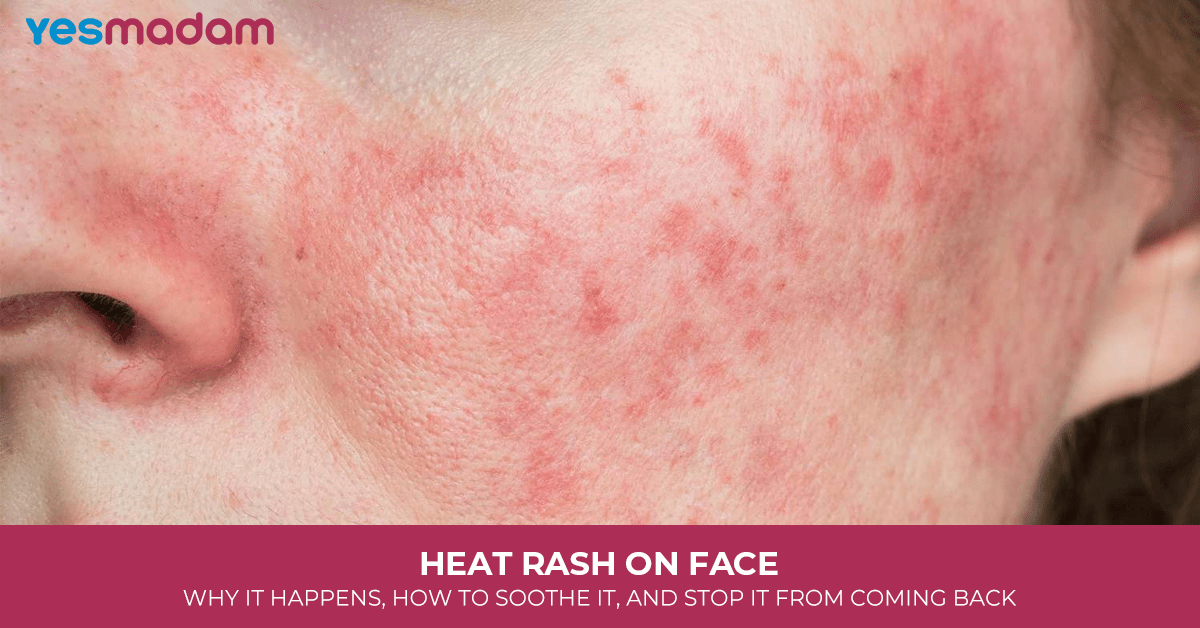
Heat Rash on Face: Why It Happens, How to Soothe It, and Stop It From Coming Back
If you’ve ever stepped out on a humid day and felt your face start to sting, itch, or break out in tiny bumps, you’re not alone. Heat rash on face is one of those annoying warm-weather problems that can show up suddenly, especially in tropical climates, during heat waves, or after sweaty workouts. The good news? It’s usually harmless, goes away quickly with the right care, and is largely preventable once you understand what’s triggering it.
In this guide, we’ll go deep (but keep it real and easy to follow). We’ll talk about what heat rash is, why the face is a common spot, how to tell it apart from acne or allergies, and what actually helps it calm down. I’ll also share practical prevention tips you can use right away, because nobody wants to keep battling this every summer.
Table of Contents
What Is Heat Rash, Really?
Heat rash (also called miliaria or “prickly heat”) happens when sweat gets trapped under your skin instead of evaporating normally. Think of your sweat ducts like tiny pipes. When they get blocked, by heat, humidity, friction, heavy skincare, or tight coverings, sweat leaks into surrounding skin and causes inflammation. That inflammation is what you see as bumps, redness, or tiny blisters.
Heat rash is super common in hot, humid conditions, and it can affect anyone, babies, teens, and adults alike.
More Information For You: Milk for Face
Why Heat Rash Shows Up on the Face

Before we dive into symptoms and treatment, it helps to understand why your face seems to “collect” heat rash so easily.
Your face has a high density of sweat glands, plus it’s exposed to sunlight, pollution, and products all day long. Add things like masks, helmets, scarves, or even thick sunscreen and you’ve got a perfect setup for blocked ducts.
Here are some common face-specific triggers:
- Face coverings + sweat: Masks, especially in summer, trap heat and moisture close to your skin.
- Heavy skincare: Thick creams, oily sunscreens, or occlusive products can plug sweat ducts.
- Humidity + makeup: Layers of foundation, primer, and setting spray can hold sweat in.
- Friction: Rubbing from straps, towels, or even constant wiping of sweat irritates your face.
- Overheating: Outdoor workouts, commuting in the heat, or being in a poorly ventilated room.
So if you’re noticing bumps on your forehead, upper cheeks, hairline, or around the nose after heat exposure, that’s your skin basically saying, “I can’t breathe right now.”
Types of Heat Rash You Might See on the Face
Not all heat rashes look the same. The different types depend on how deep the blockage is in the sweat duct.
Miliaria Crystallina (Tiny Clear Blisters)
This is the mildest form. It looks like small, clear, “dew-drop” blisters that don’t itch much. These usually pop or fade quickly once your skin cools down.
Miliaria Rubra (Red, Itchy Bumps)
This is the classic “prickly heat.” You’ll see red, inflamed bumps that can sting or itch like crazy. This is the type most people mean when they talk about heat rash on face.
Miliaria Profunda (Deeper, Flesh-Colored Bumps)
This is less common, but it can happen after repeated episodes of heat rash. The bumps are bigger, skin-colored, and deeper. It often shows up in people living in very hot, humid climates or those who sweat heavily for long periods.
Heat Rash vs. Acne vs. Allergy: How to Tell the Difference
This part matters because treating the wrong thing can make it worse.
Here’s a simple way to separate them:
- Heat rash
- Shows up after heat/sweating
- Feels prickly, itchy, or burning
- Looks like tiny clustered bumps or pin-head blisters
- Improves quickly once you cool down
- Acne
- Develops more slowly
- Often includes blackheads/whiteheads
- Can be tender or deep
- Doesn’t disappear overnight
- Allergic rash/contact dermatitis
- Often very red, patchy, and inflamed
- Can spread beyond sweaty areas
- Usually linked to a new product, food, or environmental trigger
- Takes longer to settle without treatment
If your bumps flare up after a hot day and calm down after cooling your skin, it’s almost certainly heat rash.
Don’t Miss: Top Red Sandalwood Powder Benefits for Skin
Symptoms of Heat Rash on Face

Here’s what people typically notice:
- Tiny bumps or blisters (sometimes clear, sometimes red)
- A prickling, stinging, or itchy sensation
- Mild swelling in the area
- Skin that feels hot or irritated
- Worsening with continued sweating
On darker skin tones, the bumps might look lighter, grayish, or less red than expected, but the itch and texture still give it away.
How Long Does Heat Rash on the Face Last?
Most cases clear up in a few hours to a couple of days once you remove the heat trigger.
If you keep sweating into blocked ducts (like staying outdoors all day or wearing a mask nonstop), it can linger longer.
How to Treat Heat Rash on Face (Fast, Safe, and Actually Effective)
Okay, let’s get to what you really want: how to calm it down.
The main goal is simple: cool the skin and unblock sweat ducts.
Step 1: Cool Your Face Immediately
- Move into shade or an air-conditioned space
- Splash cool (not ice-cold) water on your face
- Use a clean, cool compress for 5–10 minutes
Cooling stops further sweat leakage and gives your skin a chance to reset.
Step 2: Keep the Area Clean and Dry
- Wash gently with a mild, fragrance-free cleanser
- Pat dry (don’t rub)
- Avoid hot water and harsh scrubs
Heat rash skin is already inflamed. Scrubbing feels satisfying in the moment but can make it angrier later.
Step 3: Pause Heavy Products
This is huge for the face.
- Skip thick moisturizers, oils, and greasy sunscreen for a day or two
- Avoid makeup until it settles
- Use light, water-based gel moisturizer if you need hydration
Occlusive products can trap heat again and keep the rash going.
Step 4: Use Soothing, Non-Irritating Helpers
Here are commonly helpful options:
- Calamine lotion: Great for itch and drying tiny blisters.
- Aloe vera gel (pure, fragrance-free): Cool and calming.
- 1% hydrocortisone (short-term): Helps with inflammation if itching is intense. Use sparingly and not for more than a few days unless a clinician advises.
- Oral antihistamine: If the itch is keeping you miserable, an antihistamine can help reduce scratching.
Step 5: Don’t Scratch (I Know, Easier Said Than Done)
Scratching can break the skin, leading to infection.
If you’re struggling, keep nails short and use soothing creams instead of your fingertips.
What Not to Do
Sometimes what seems helpful makes heat rash worse.
Avoid:
- Exfoliating acids (AHA/BHA/retinol) while the rash is active
- Thick ointments or petroleum jelly on the area
- Hot steam facials
- Tight masks or hats when you’re already sweaty
- Picking bumps (they’re not pimples)
Let your skin breathe. That’s the best medicine here.
When Heat Rash Can Get Complicated
Heat rash is usually mild, but occasionally it can get infected. Watch for:
- Increasing pain
- Pus or yellow crusting
- Fever
- Spreading redness or warmth
If that happens, you need medical care.
How to Prevent Heat Rash on Face
Once you’ve had it a couple of times, prevention starts to feel like a life skill. Here’s what actually helps:
Keep Your Face Cool
- Take breaks in AC or shade
- Use a handheld fan during commutes
- Rinse face after long sweaty periods
Even a quick cool-down can stop a rash from forming.
Use Lightweight Skincare in Summer
Look for:
- “Non-comedogenic”
- “Gel” or “water-based”
- Oil-free sunscreens
Your winter moisturizer might be too heavy for July. This is a seasonal switch your skin will thank you for.
Cleanse After Sweating
Sweat + oil + dirt = clogged ducts. A gentle face wash after workouts or long outdoor exposure makes a big difference.
Be Smart With Masks and Gear
- Choose breathable fabrics
- Take short breaks if safe and possible
- Wash reusable masks regularly
Mask-related face heat rash has become more common, especially in humid regions.
Avoid Tight, Friction-Heavy Accessories
Helmets, tight caps, or scarf edges rubbing the cheeks can trigger bumps fast. Adjust fit if you can.
Related Blog: Food to Reduce Melanin In Skin
Heat Rash on Face in Babies and Kids
Babies get heat rash more easily because their sweat ducts are still developing.
On the face, it often shows around the hairline, neck fold areas, and cheeks.
What helps:
- Dress them in breathable cotton
- Keep rooms cool
- Avoid overdressing
- Use lukewarm baths, not hot ones
- Keep their skin dry and clean
If a baby’s rash looks infected or they seem unwell, always check with a pediatrician.
Quick Recap: The “Calm It Down” Routine
If you want a simple memory hook:
- Cool the skin
- Clean gently
- Keep it dry
- Skip heavy products
- Soothe the itch
That’s the five-step reset for heat rash on face.
Conclusion
Heat rash on face can feel like your skin is rebelling against summer, but it’s really just your sweat ducts getting overwhelmed. Once you understand the triggers, heat, humidity, friction, and heavy products, the solution becomes pretty straightforward: cool down, let your skin breathe, and keep things light and clean. Most rashes fade quickly after that, and prevention is usually as simple as adjusting your summer skincare and staying mindful about overheating.
If your bumps don’t improve after a few days, keep spreading, or show signs of infection, it’s worth checking in with a healthcare professional. Otherwise, treat it kindly, give it airflow, and you’ll be back to normal fast.
FAQs
1. Can heat rash on face happen even if I’m not in direct sun?
Yes. Heat rash is caused by trapped sweat, not sunlight itself. Indoor humidity, workouts, or a hot commute can trigger it even without sun exposure.
2. Is heat rash on face contagious?
No, it’s not contagious. It’s a reaction to blocked sweat ducts, so you can’t “catch” it from someone else or pass it on.
3. Should I moisturize heat rash on my face?
Light hydration is okay, but avoid thick creams or oils. A simple gel moisturizer can soothe dryness without clogging ducts further.
4. Can sunscreen cause heat rash on face?
It can if the sunscreen is heavy or oily and traps sweat. Switching to a non-comedogenic, water-based sunscreen often helps prevent flare-ups.
5. How do I stop heat rash itching at night?
Cooling the area before bed and applying calamine or a tiny amount of hydrocortisone can help. An oral antihistamine may also reduce nighttime itching.
6. Does heat rash leave marks on the face?
Usually no, but if you scratch a lot, you might get temporary dark or light spots. These typically fade over a few weeks with gentle care.
7. Can I use acne products on heat rash?
Not while it’s active. Acne treatments like salicylic acid or retinol can irritate heat rash and make it worse. Wait until it clears.
8. Why do I get heat rash on my face every summer?
Recurring heat rash usually means your skin is repeatedly overheating or getting blocked by products or coverings. A lighter skincare routine and better cooling habits often solve it.
9. When should I see a doctor for heat rash on face?
If it lasts more than 3–4 days, spreads quickly, becomes painful, or shows infection signs like pus or fever, you should get medical advice.
10. Can stress cause heat rash on the face?
Stress itself doesn’t cause heat rash, but it can increase sweating. If stress makes you sweat more in hot weather, it can indirectly trigger heat rash.