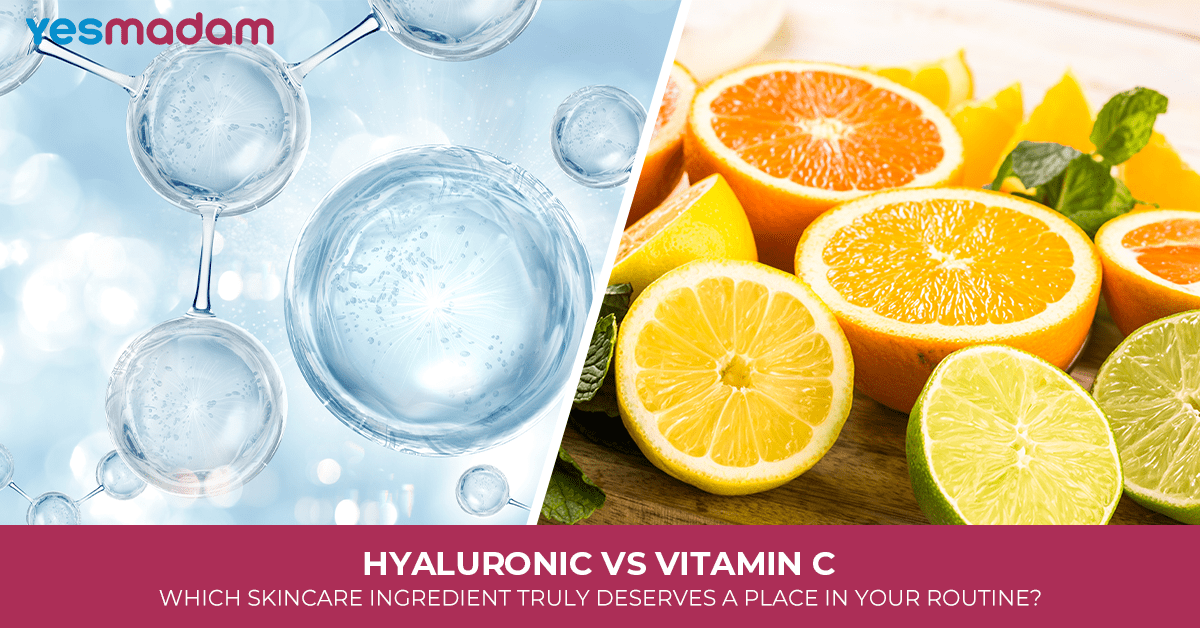
Hyaluronic vs Vitamin C: Which Skincare Ingredient Truly Deserves a Place in Your Routine?
When it comes to modern skincare, few debates are as common, or as confusing, as hyaluronic vs vitamin C. Walk into any skincare store, scroll through Instagram, or talk to a dermatologist, and you’ll hear these two ingredients mentioned again and again. Both are powerful, both are popular, and both promise healthier, glowing skin. But they work in very different ways.
If you’ve ever stood in front of your mirror wondering “Which one do I actually need?”, you’re not alone. This guide is designed to give you a clear, honest, and easy-to-understand comparison so you can make confident choices for your skin.
We’ll break down what each ingredient does, how they differ, who should use what, and whether you really need to choose between them at all.
Table of Contents
Understanding the Basics Before Comparing Hyaluronic vs Vitamin C
Before diving deep into the comparison, it’s important to understand that skincare ingredients aren’t competitors in a strict sense. Think of them as tools, each designed for a different job. Knowing what job your skin needs done is the key to making the right choice.
Let’s start by understanding what each ingredient actually is and how it functions on your skin.
More Information For You: Glycolic Acid For Skin
What Is Hyaluronic Acid and Why Is It So Popular?
Hyaluronic acid is a naturally occurring substance found in our skin, joints, and connective tissues. Its primary role is hydration, and it does that exceptionally well.
How Hyaluronic Acid Works on the Skin
Hyaluronic acid is known as a humectant, which means it attracts and holds onto water. In fact, it can hold up to 1,000 times its weight in water. When applied topically, it pulls moisture from the environment and deeper layers of the skin to the surface.
This results in skin that looks plumper, smoother, and more supple almost instantly. That’s why many people notice immediate results when they start using it.
Key Benefits of Hyaluronic Acid
- Deep hydration without heaviness
- Plumper and smoother-looking skin
- Reduced appearance of fine lines caused by dehydration
- Suitable for all skin types, including sensitive and acne-prone skin
Hyaluronic acid doesn’t change your skin at a cellular level, it improves how your skin feels and looks by keeping it well hydrated.
What Is Vitamin C and Why Is It a Skincare Superstar?
Vitamin C, also known as ascorbic acid, is an antioxidant that plays a major role in skin health and repair. Unlike hyaluronic acid, vitamin C actively works to change and improve the skin over time.
How Vitamin C Works on the Skin
Vitamin C neutralizes free radicals, unstable molecules caused by pollution, UV exposure, and stress that damage skin cells. It also boosts collagen production, which is essential for firm, youthful-looking skin.
Because it works at a deeper level, vitamin C results are gradual but long-lasting when used consistently.
Key Benefits of Vitamin C
- Brightens dull and tired-looking skin
- Helps fade dark spots and hyperpigmentation
- Boosts collagen for firmer skin
- Protects against environmental damage
Vitamin C is often described as a “skin corrector” because it improves tone, texture, and clarity over time.
Hyaluronic vs Vitamin C: Core Differences Explained

Now that you understand what each ingredient does individually, let’s look at how they compare side by side. This is where the hyaluronic vs vitamin C conversation becomes clearer.
Hydration vs Correction
Hyaluronic acid focuses almost entirely on hydration. It makes skin feel comfortable, soft, and plump. Vitamin C, on the other hand, focuses on correction, addressing uneven tone, pigmentation, and early signs of aging.
Instant Results vs Long-Term Results
Hyaluronic acid often gives instant gratification. Skin looks better almost immediately. Vitamin C takes time. Its benefits build gradually with regular use.
Gentleness vs Potency
Hyaluronic acid is extremely gentle and rarely causes irritation. Vitamin C is more potent and may cause tingling or sensitivity, especially for beginners or those with reactive skin.
Don’t Miss: Vitamin C for Acne
Which One Should You Choose Based on Your Skin Concerns?
Choosing between these two isn’t about which is “better” overall, it’s about what your skin needs most right now.
If Your Skin Feels Dry or Dehydrated
Hyaluronic acid is your best friend. It restores moisture balance and prevents that tight, uncomfortable feeling that comes with dehydration.
If Your Skin Looks Dull or Uneven
Vitamin C is the better choice. It helps brighten your complexion and improves skin tone over time.
If You’re Concerned About Aging
Vitamin C plays a stronger role in preventing and reducing visible signs of aging by supporting collagen production.
If You Have Sensitive Skin
Hyaluronic acid is usually safer to start with. Vitamin C can still be used, but lower concentrations are recommended initially.
Can You Use Hyaluronic and Vitamin C Together?
This is one of the most common questions in skincare, and the answer is a confident yes.
Why They Work Well as a Team
Hyaluronic acid and vitamin C complement each other beautifully. Vitamin C can sometimes feel drying or irritating, and hyaluronic acid helps counterbalance that by adding hydration and comfort.
When used together, you get the best of both worlds: hydration plus correction.
How to Layer Them Correctly
- Cleanse your face thoroughly
- Apply vitamin C serum first (lighter texture)
- Follow with hyaluronic acid serum
- Seal everything with a moisturizer
- Finish with sunscreen in the morning
Using them in this order ensures maximum absorption and effectiveness.
Morning vs Night: When Should You Use Each?
Timing also plays an important role in how effective these ingredients are.
Best Time to Use Vitamin C
Vitamin C works best in the morning because it helps protect your skin from environmental stressors like pollution and UV exposure.
Best Time to Use Hyaluronic Acid
Hyaluronic acid can be used both morning and night. At night, it helps repair moisture loss while you sleep.
Common Mistakes to Avoid When Using These Ingredients
Even the best skincare ingredients won’t work well if used incorrectly.
Using Vitamin C Without Sunscreen
Vitamin C boosts sun protection, but it does not replace sunscreen. Skipping SPF can undo all the benefits.
Applying Hyaluronic Acid on Dry Skin
Hyaluronic acid works best when applied to slightly damp skin. Applying it to dry skin may actually pull moisture out instead of in.
Hyaluronic vs Vitamin C: Final Thoughts Before Choosing
The hyaluronic vs vitamin C debate doesn’t really need a winner. Each ingredient serves a unique purpose, and most skin types benefit from using both. If you’re just starting out, listen to your skin, introduce products slowly, and focus on consistency rather than perfection.
Great skin isn’t about trends, it’s about understanding what your skin needs and responding thoughtfully.
Conclusion
When it comes to hyaluronic vs vitamin C, the smartest approach isn’t choosing sides, it’s understanding synergy. Hyaluronic acid keeps your skin hydrated, comfortable, and resilient, while vitamin C works behind the scenes to brighten, protect, and strengthen your skin over time.
Used correctly, they don’t compete; they collaborate. And that collaboration is often the secret to truly healthy, glowing skin.
FAQs
1. Is hyaluronic acid better than vitamin C for beginners?
Hyaluronic acid is often better for beginners because it is gentle, hydrating, and unlikely to cause irritation. Vitamin C can be introduced later once the skin barrier feels healthy and stable.
2. Can I use vitamin C every day?
Yes, vitamin C can be used daily if your skin tolerates it well. Start with lower concentrations and gradually increase to avoid sensitivity or irritation.
3. Does hyaluronic acid lighten dark spots?
No, hyaluronic acid does not lighten dark spots. Its main role is hydration, not pigmentation correction or brightening.
4. Can vitamin C dry out my skin?
Vitamin C can feel drying for some people, especially at higher strengths. Pairing it with hyaluronic acid and a moisturizer helps prevent dryness.
5. Which ingredient works faster on the skin?
Hyaluronic acid shows faster visible results by instantly plumping the skin. Vitamin C works more slowly but provides deeper, long-term improvements.
6. Is it safe to use both ingredients on sensitive skin?
Yes, but it’s best to introduce one product at a time. Use a low-strength vitamin C and always follow with a soothing, hydrating product.
7. Can hyaluronic acid clog pores?
No, hyaluronic acid is non-comedogenic and suitable for acne-prone skin. It hydrates without adding oil or heaviness.
8. Does vitamin C help with acne scars?
Vitamin C can help fade acne scars over time by promoting collagen production and evening out skin tone with consistent use.
9. Should I stop using vitamin C if my skin tingles?
Mild tingling can be normal, especially at first. However, persistent burning or redness means you should stop and switch to a gentler formula.
10. Do I need both hyaluronic acid and vitamin C in my routine?
You don’t need both, but using them together often delivers better results. One hydrates while the other repairs and protects, creating a balanced skincare routine.