African Black Soap: Benefits, Uses, and Why It Deserves a Place in Your Skincare Routine
If you’ve been exploring natural skincare solutions lately, chances are you’ve heard about African black soap. This centuries-old cleansing bar has gained worldwide popularity, not because of flashy marketing, but because of real results passed down through generations. Rooted in West African traditions, this humble soap is known for its deep-cleansing abilities, skin-nourishing properties, and versatility for different skin types.
What makes African black soap stand out is its raw, natural composition and its ability to address multiple skin concerns without harsh chemicals. In this guide, we’ll take a deep dive into what African black soap really is, how it works, its benefits, how to use it properly, and why it continues to be a trusted skincare staple across cultures.
Table of Contents
What Is African Black Soap?
Before we explore the benefits, it’s important to understand what African black soap actually is and where it comes from.
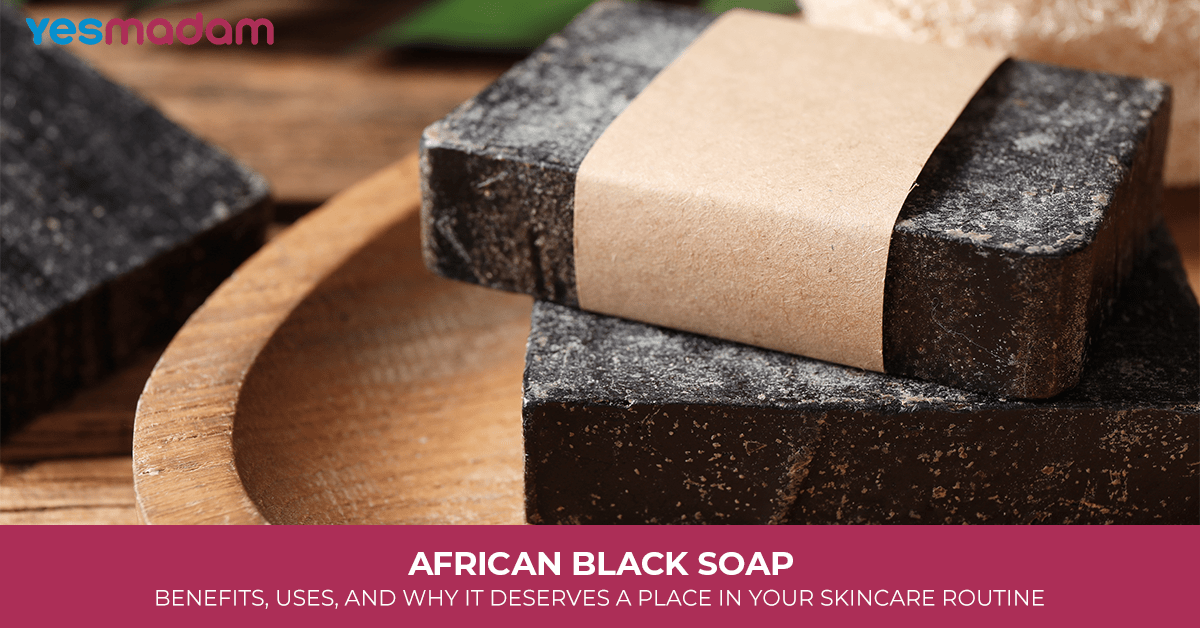
African black soap is a traditionally handmade soap originating from West Africa, particularly Ghana and Nigeria. It is crafted using natural ingredients that are locally sourced and prepared using age-old techniques. Unlike commercial soaps, it’s not mass-produced or refined, which gives it its distinctive dark color and slightly rough texture.
Traditional Ingredients Used
The power of African black soap lies in its ingredients. While exact recipes may vary by region or family tradition, the core components remain largely the same.
Plantain skins, cocoa pods, palm leaves, and shea tree bark are sun-dried and roasted before being mixed with natural oils. This careful process releases beneficial compounds that support skin health. The absence of synthetic fragrances, preservatives, and artificial colors makes the soap appealing to those seeking a more natural skincare approach.
More Information For You: Is Multani Mitti Good For Dry Skin
How African Black Soap Is Made
Understanding the production process helps explain why this soap behaves differently from commercial cleansers.
The Art of Traditional Soap Making
African black soap is made using a slow, manual process that hasn’t changed much over the centuries. The roasted plant materials are mixed with water and oils, then cooked for several hours until they transform into soap. This slow cooking allows the nutrients to remain intact rather than being stripped away.
Because it’s handmade, no two batches are exactly the same. Variations in color, texture, and scent are normal and often indicate authenticity rather than inconsistency.
Benefits of African Black Soap for Skin

African black soap is loved for its multifunctional benefits. It’s not a one-problem solution; instead, it works holistically to improve overall skin health.
Deep Cleansing Without Harshness
One of the most appreciated qualities of African black soap is its ability to cleanse deeply without overly stripping the skin. It removes dirt, excess oil, and impurities while maintaining the skin’s natural moisture balance. This makes it suitable for daily use when applied correctly.
Helps With Acne and Breakouts
Thanks to its antibacterial and anti-inflammatory properties, African black soap is often used by people struggling with acne. It helps unclog pores, reduce bacteria, and calm irritated skin, which can lead to fewer breakouts over time.
Supports Even Skin Tone
Regular use may help improve the appearance of uneven skin tone. The natural exfoliating properties gently remove dead skin cells, allowing healthier skin to surface and appear brighter.
Soothes Skin Conditions
People dealing with eczema, psoriasis, or general skin sensitivity often turn to African black soap because of its soothing nature. While it’s not a medical treatment, many users find it helps reduce discomfort and dryness when used with a good moisturizer.
Using African Black Soap the Right Way
While African black soap is powerful, how you use it matters just as much as what it contains.
Proper Application for the Face
For facial use, it’s best to lather the soap in your hands rather than applying it directly to your skin. This reduces friction and prevents over-exfoliation. Gently massage the foam onto your face, then rinse thoroughly with lukewarm water.
Using It on the Body
On the body, African black soap can be used directly or with a washcloth. Its natural exfoliating texture makes it effective for areas prone to roughness, such as elbows, knees, and feet.
Moisturizing After Use
Because African black soap cleans deeply, following up with a moisturizer is essential. This helps lock in hydration and keeps your skin feeling soft and balanced.
Who Should Use African Black Soap?
African black soap is versatile, but it’s not a one-size-fits-all solution.
Suitable Skin Types
It works well for oily, combination, and acne-prone skin. People with sensitive or dry skin can still benefit, but should use it less frequently and always moisturize afterward.
Who Should Be Cautious
If you have extremely sensitive skin or open wounds, it’s wise to patch-test before regular use. Its natural potency can be overwhelming if overused.
How to Identify Authentic African Black Soap
With its popularity, imitation products have flooded the market.
Visual and Texture Clues
Authentic African black soap is rarely smooth or perfectly shaped. It often has a dark brown or black color with an uneven texture. If a bar looks too polished or artificially scented, it may not be genuine.
Ingredient Transparency
Always check the ingredient list. True African black soap should contain recognizable, natural ingredients without synthetic additives.
Common Myths About African Black Soap
Despite its benefits, there are several misconceptions worth clearing up.
“It Works Overnight”
While effective, African black soap isn’t a miracle cure. Consistent, proper use is what leads to visible results over time.
“More Is Better”
Overusing the soap can lead to dryness or irritation. Moderation is key to maintaining healthy skin.
Conclusion
African black soap has stood the test of time for a reason. Its natural formulation, deep-cleansing ability, and versatility make it a valuable addition to any skincare routine. When used correctly and consistently, African black soap supports healthier, clearer, and more balanced skin without relying on harsh chemicals.
Whether you’re seeking a simpler skincare approach or looking to address specific concerns naturally, this traditional soap offers both history and results. The key lies in understanding your skin, using it mindfully, and letting nature do what it does best.
FAQs
Is African black soap safe for daily use?
Yes, African black soap can be used daily, but frequency should depend on your skin type. Those with sensitive or dry skin may prefer using it a few times a week rather than every day.
Can African black soap lighten skin?
African black soap does not bleach or artificially lighten skin. It helps improve skin clarity by removing dead skin cells, which may make your complexion appear brighter and more even.
Does African black soap expire?
While it doesn’t spoil easily, African black soap can dry out over time. Storing it in a cool, dry place helps maintain its quality and effectiveness.
Can I use African black soap on my hair?
Some people use African black soap as a shampoo alternative. It can cleanse the scalp effectively, but following up with a conditioner is important to prevent dryness.
Why does African black soap sometimes tingle?
A mild tingling sensation can occur due to its natural ingredients. However, burning or discomfort may indicate overuse or sensitivity.
Is African black soap good for oily skin?
Yes, it’s especially popular among people with oily skin because it helps control excess oil without clogging pores.
Can children use African black soap?
African black soap can be used on children, but it should be diluted and applied gently. Always patch-test first to ensure there’s no irritation.
How long does it take to see results?
Results vary, but many users notice improvements in skin texture and clarity within a few weeks of consistent use.
Does African black soap have a scent?
It has a mild, earthy scent from its natural ingredients. It doesn’t contain artificial fragrances.
Can African black soap help with dark spots?
With regular use, African black soap may help fade dark spots by promoting gentle exfoliation and healthier skin turnover.