Beauty Sleep: The Real Secret to Glowing Skin, Better Health, and a Happier You
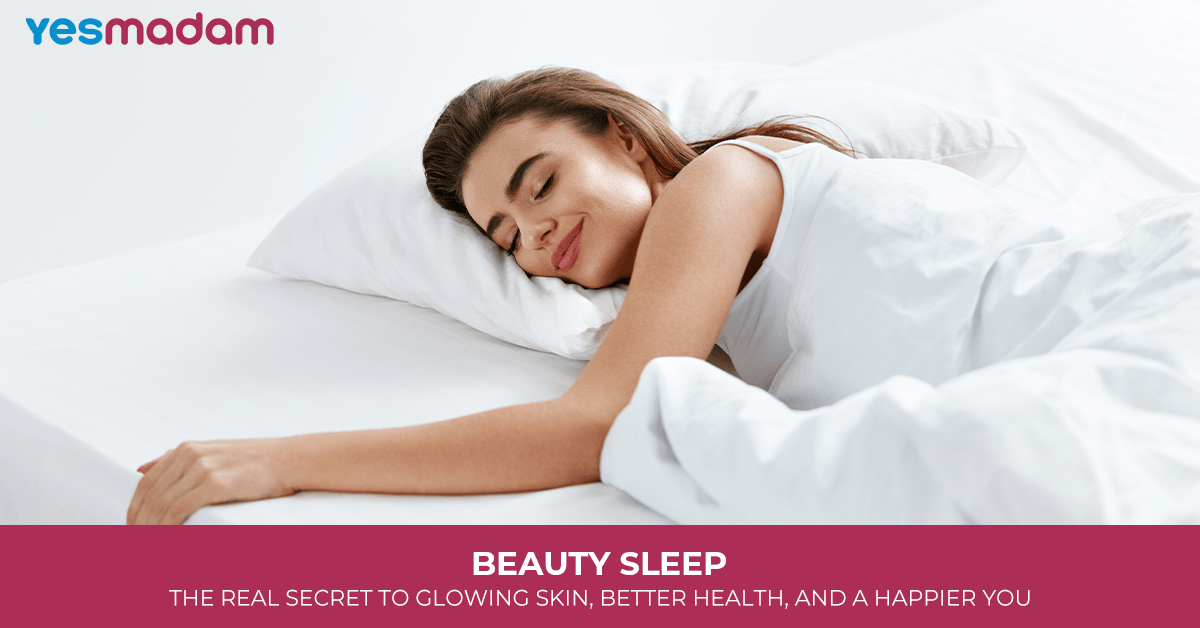
We’ve all heard the phrase beauty sleep, but most of us underestimate how powerful it truly is. It’s not just a cute saying passed down through generations; it’s backed by science, biology, and real-life results. From glowing skin to sharper focus and emotional balance, beauty sleep plays a massive role in how we look and feel every single day.
In today’s fast-paced world, sleep often gets sacrificed for late-night scrolling, work deadlines, or binge-watching shows. Yet, the irony is that skipping sleep actually slows us down mentally, physically, and even aesthetically. When we prioritize beauty sleep, we’re not indulging in luxury; we’re investing in long-term wellness.
In this article, we’ll dive deep into what beauty sleep really means, why it matters, and how it works beneath the surface. By the end, you’ll understand why sleep might just be the most underrated beauty and health tool you already have.
Table of Contents
What Is Beauty Sleep, Really?
Before we explore the benefits and science, it’s important to understand what beauty sleep actually refers to and why it’s so much more than just resting your eyes.
Beauty sleep is the deep, restorative sleep your body needs to repair, renew, and rebalance itself. While you’re asleep, your body shifts into maintenance mode, fixing damaged cells, regulating hormones, and restoring energy levels. This process directly affects your skin, brain, immune system, and emotional health.
Why the Term “Beauty Sleep” Exists
The phrase didn’t appear randomly. Historically, people noticed that well-rested individuals looked fresher, healthier, and more youthful. Puffy eyes, dull skin, and dark circles were often signs of poor sleep, long before science confirmed it.
Sleep allows your body to:
- Increase blood flow to the skin
- Repair collagen and elastin
- Reduce inflammation and stress hormones
So when someone looks radiant after a good night’s rest, that glow isn’t imagined, it’s biological.
How Beauty Sleep Affects Your Skin

Sleep isn’t just rest for your mind, it’s prime repair time for your skin. Here’s how getting quality sleep directly impacts how your skin looks and feels.
1. Skin Repair & Cell Regeneration
While you sleep, your body switches into repair mode:
- Skin cells regenerate faster at night
- Micro-damage from UV rays and pollution is repaired
- Wounds, acne, and irritation heal more efficiently
This is why consistent sleep leads to clearer, smoother skin.
2. Improved Hydration & Glow
During deep sleep:
- Skin’s moisture balance is restored
- Blood flow to the skin increases
The result? You wake up with that natural glow and plumper-looking skin.
3. Collagen Production & Anti-Aging
Sleep boosts the release of growth hormone, which:
- Stimulates collagen production
- Maintains skin elasticity
- Helps prevent fine lines and sagging
Chronic sleep deprivation, on the other hand, accelerates premature aging.
Reduced Dark Circles & Puffiness
Lack of sleep causes blood vessels under the eyes to dilate, leading to:
- Dark circles
- Under-eye bags
- Dull complexion
Good sleep helps your face look fresh and well-rested.
5. Lower Stress = Fewer Breakouts
Poor sleep raises cortisol (stress hormone), which:
- Increases oil production
- Triggers inflammation
- Worsens acne and eczema
Quality sleep keeps hormones balanced and skin calmer.
How Much Sleep Is Best for Skin?
- 7–9 hours per night is ideal
- Maintain a consistent sleep schedule
- Use silk pillowcases and apply night skincare products to maximize benefits
The Impact of Beauty Sleep on Mental and Emotional Health
While glowing skin is often the most talked-about benefit, beauty sleep is equally important for your mental well-being.
Sleep directly affects how your brain processes emotions, manages stress, and makes decisions.
Sleep and Emotional Balance
When you’re well-rested, your brain can regulate emotions more effectively. You’re more patient, optimistic, and emotionally resilient. Lack of sleep, on the other hand, amplifies stress responses and makes small problems feel overwhelming.
This emotional balance also shows externally, relaxed facial muscles and softer expressions contribute to a more refreshed appearance.
Cognitive Clarity and Confidence
Beauty sleep improves concentration, memory, and creativity. When your mind feels clear and sharp, confidence naturally follows. You stand taller, communicate better, and carry yourself differently, all subtle but powerful contributors to how others perceive you.
More Information For You: Strawberry Benefits for Skin
Hormones, Healing, and the Power of Nighttime Rest
One of the most important roles of beauty sleep happens at the hormonal level.
During sleep, your body releases growth hormone, which supports tissue repair, muscle recovery, and skin regeneration. This hormone is essential for maintaining youthful energy and physical resilience.
Sleep’s Role in Hormonal Balance
Proper sleep regulates hormones related to appetite, metabolism, and stress. Poor sleep disrupts these systems, leading to inflammation, fatigue, and even weight fluctuations — all of which can impact appearance and health.
Immune Support and Faster Recovery
Beauty sleep strengthens your immune system, allowing your body to fight infections and heal faster. When you’re well-rested, your body can focus on repairing itself instead of just surviving the day.
Why Consistency Matters More Than Perfection
Many people think one long night of sleep can “fix” exhaustion. While it helps, beauty sleep works best when it’s consistent.
Your body thrives on rhythm. Going to bed and waking up at similar times trains your internal clock, improving sleep quality over time.
Quality Over Quantity
It’s not just about how long you sleep, it’s about how deeply you sleep. Deep sleep stages are where most repair and restoration occur. Creating a calming nighttime routine supports deeper, more restorative rest.
How to Naturally Improve Your Beauty Sleep
You don’t need drastic changes to improve sleep quality. Small, intentional habits can make a noticeable difference.
Create a Sleep-Friendly Environment
Keep your bedroom cool, dark, and quiet. Limit screen exposure before bedtime, as blue light interferes with melatonin production, the hormone that signals sleep.
Develop a Wind-Down Routine
Gentle stretching, reading, or calming music tells your body it’s time to rest. Consistency is key; your body learns these cues over time.
The Long-Term Benefits of Prioritizing Beauty Sleep
When beauty sleep becomes a non-negotiable part of your lifestyle, the results compound over time.
You’ll notice:
- Brighter, clearer skin
- Improved mood and focus
- Higher energy levels
- Stronger immunity
- A more youthful, refreshed appearance
Sleep isn’t just self-care; it’s foundational care.
Conclusion
Beauty sleep isn’t a trend, a myth, or a luxury; it’s a biological necessity. When you prioritize sleep, you’re giving your body the time it needs to heal, restore, and thrive. From skin health to emotional balance and long-term wellness, the benefits touch every part of your life.
Instead of chasing quick fixes and surface-level solutions, start with sleep. Honor it, protect it, and treat it as the powerful beauty and health tool it truly is. Your body and your reflection will thank you.
FAQs
What exactly is beauty sleep?
Beauty sleep refers to restorative sleep that allows your body and skin to repair overnight. It supports cellular renewal, hormone balance, and overall well-being.
Consistent quality sleep enhances both physical appearance and internal health over time.
How many hours of sleep are considered beauty sleep?
Most adults need between 7–9 hours of sleep per night for optimal repair and recovery.
However, quality and consistency matter just as much as duration.
Can beauty sleep really improve skin appearance?
Yes, sleep boosts collagen production, improves blood flow, and reduces inflammation.
Over time, this leads to brighter, smoother, and more youthful-looking skin.
Does lack of sleep cause aging?
Chronic sleep deprivation increases stress hormones that break down collagen.
This can accelerate fine lines, dullness, and loss of skin elasticity.
Is beauty sleep important for mental health too?
Absolutely. Sleep helps regulate emotions, reduce anxiety, and improve focus.
Better mental health often reflects outwardly through relaxed facial expressions.
Can naps replace beauty sleep at night?
Short naps can help with energy but can’t fully replace nighttime sleep.
Deep sleep stages mostly occur at night and are essential for full restoration.
What’s the best bedtime for beauty sleep?
There’s no universal perfect time, but sleeping before midnight often supports better sleep cycles.
Consistency matters more than the exact hour you choose.
Does sleeping position affect beauty sleep?
Yes, sleeping on your back can reduce facial pressure and wrinkles.
Using a supportive pillow also helps maintain proper alignment.
Can stress ruin beauty sleep?
Stress can disrupt sleep by increasing cortisol levels.
Relaxation techniques before bed can significantly improve sleep quality.
How long does it take to see results from better sleep?
Some benefits appear within days, like improved mood and energy.
Visible skin improvements usually show within a few weeks of consistent sleep.