
Dry vs Dehydrated: What’s the Real Difference and Why It Matters
If you’ve ever stood in a grocery aisle wondering whether dried fruits are the same as dehydrated foods, you’re not alone. The debate around dry vs dehydrated foods often creates confusion, even though the difference can significantly impact nutrition, shelf life, and taste. While the terms are frequently used interchangeably, they don’t always mean the same thing.
In this guide, we’ll break everything down in a simple, conversational way, no jargon, no confusion. By the end, you’ll understand what truly separates dry foods from dehydrated ones, how each method works, and which option fits your lifestyle better. Whether you’re focused on health, storage, or cooking, this deep dive will help you make smarter choices.
Table of Contents
What Does “Dry” Really Mean?
Before we compare dry and dehydrated foods, it’s important to understand what “dry” actually refers to in food processing.
Drying as a Broad Concept
Drying is a general term that refers to any process that removes moisture from food. This can happen naturally or through industrial methods. The goal is simple: reduce water content so food lasts longer and becomes less prone to spoilage.
Drying has been used for centuries, long before modern technology. Think of grains left in the sun, herbs air-dried in kitchens, or meat cured with salt. These methods don’t always involve controlled temperatures or equipment, which leads to wide variations in quality and nutrition.
More Information For You: Diet for Skin Type
What Is Dehydration in Food Processing?
Now that we’ve covered drying in general, let’s narrow the focus and talk about dehydration specifically.
Dehydration as a Controlled Technique
Dehydration is a precise, controlled form of drying. It uses regulated heat and airflow to slowly remove moisture while preserving the food’s structure and nutrients as much as possible. This method is commonly done using dehydrators or low-temperature ovens.
Because dehydration is carefully managed, it often produces more consistent results. Foods retain their shape, color, and flavor better compared to traditional drying methods. This distinction becomes crucial when comparing dry vs dehydrated foods from a nutritional and quality standpoint.
Dry vs Dehydrated: The Core Differences Explained

Now that we understand both terms individually, let’s explore how they differ in practical, meaningful ways.
Moisture Removal Levels
One of the biggest differences lies in how much water is removed. Dry foods may still contain a moderate amount of moisture, depending on the method used. Dehydrated foods, on the other hand, are designed to remove as much moisture as possible without cooking the food.
This lower moisture content gives dehydrated foods a longer shelf life and reduces the risk of bacterial growth.
Temperature and Control
Drying methods can vary widely in temperature, sometimes reaching levels that partially cook the food. Dehydration relies on low, steady heat, which helps maintain nutritional integrity. This controlled environment is what sets dehydration apart as a more refined process.
Nutritional Impact: Does One Preserve Nutrients Better?

Nutrition is often the deciding factor when people compare dry vs dehydrated foods, and for good reason.
Vitamin and Mineral Retention
High heat can destroy sensitive vitamins, particularly vitamin C and certain B vitamins. Since dehydration uses lower temperatures over longer periods, it generally preserves more nutrients than traditional drying methods.
That said, both processes will cause some nutrient loss. The key difference is consistency—dehydration minimizes damage by avoiding temperature spikes.
Fiber and Natural Sugars
Fiber content remains largely unchanged in both dried and dehydrated foods. Natural sugars become more concentrated as water is removed, which explains why dried fruits taste sweeter. This concentration happens in both methods, but dehydrated foods often maintain a more balanced flavor profile.
Don’t Miss: Coconut Oil Sunscreen
Texture and Taste: How Processing Changes the Experience
Beyond nutrition, texture and taste play a huge role in food preference.
Texture Differences
Dry foods can range from leathery to brittle, depending on how they were processed. Dehydrated foods tend to have a uniform, crisp, or chewy texture, making them easier to rehydrate later.
Flavor Preservation
Because dehydration avoids excessive heat, it preserves the food’s natural flavor more effectively. This is especially noticeable in fruits, vegetables, and herbs, where subtle taste notes matter.
Shelf Life and Storage Considerations
Another major point in the dry vs dehydrated comparison is how long the food lasts.
Longevity of Dry Foods
Dry foods can last weeks or months, but their shelf life depends heavily on storage conditions. Residual moisture increases the risk of mold and spoilage if not stored properly.
Longevity of Dehydrated Foods
Dehydrated foods, when stored in airtight containers, can last for years without refrigeration. This makes them ideal for emergency supplies, camping, and long-term food storage.
Common Foods That Are Dried or Dehydrated
Understanding real-world examples helps make the distinction clearer.
Fruits and Vegetables
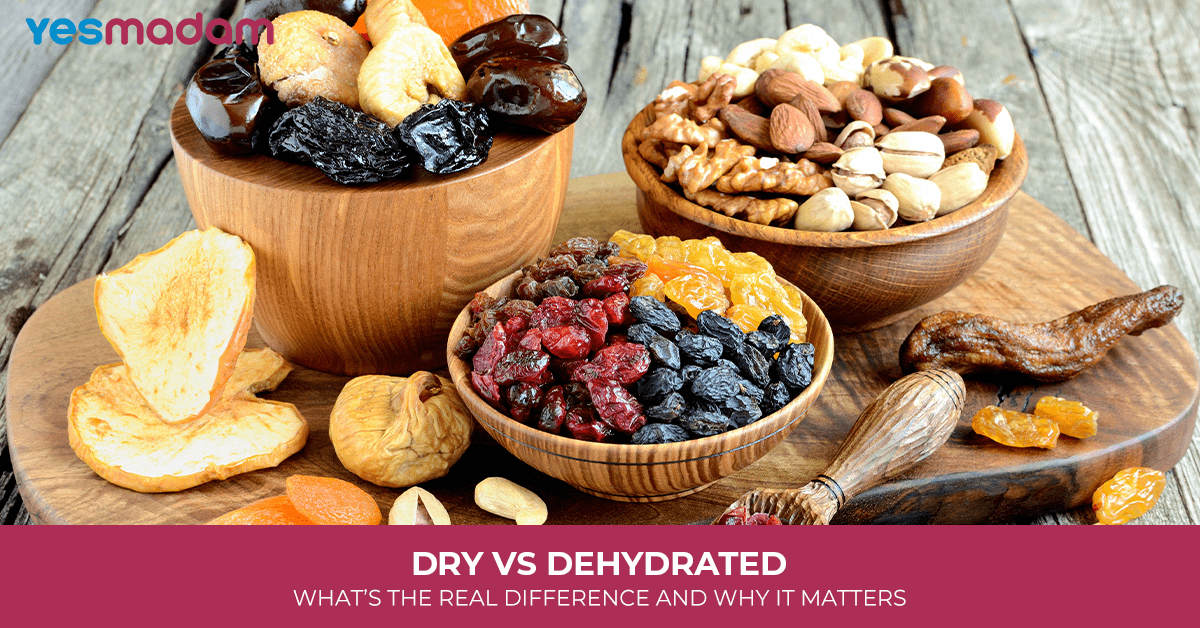
Raisins, prunes, and sun-dried tomatoes are classic dried foods. Dehydrated apples, bananas, and carrots are typically processed using machines to ensure consistent moisture removal.
Herbs and Spices
Air-dried herbs may lose potency over time, while dehydrated herbs retain stronger aromas and flavors due to controlled drying conditions.
Related Blog: Micellar Water Cleanser
Health Considerations and Dietary Goals
Your personal health goals can influence whether dry or dehydrated foods are better for you.
Weight Management and Snacking
Because both dried and dehydrated foods are calorie-dense, portion control is important. Dehydrated snacks often contain fewer additives and preservatives, making them a cleaner choice.
Special Diets
Dehydrated foods are popular in clean-eating and whole-food diets because they typically contain no added sugars or oils.
Cost and Accessibility
Cost can also factor into the dry vs dehydrated decision.
Price Differences
Dry foods are often cheaper because the process is less controlled and more scalable. Dehydrated foods may cost more due to specialized equipment and longer processing times.
Home Preparation
Drying food at home can be as simple as air-drying herbs. Dehydration usually requires a dehydrator or careful oven monitoring, which may involve upfront costs.
Environmental and Sustainability Factors
Food processing methods also have environmental implications.
Energy Use
Dehydration uses electricity but reduces food waste through long shelf life. Traditional drying methods may rely on natural elements but can lead to inconsistent results and spoilage.
Reducing Waste
Both methods help reduce food waste by extending shelf life, but dehydration offers more predictability and reliability.
Conclusion
When it comes to dry vs dehydrated, there’s no one-size-fits-all answer. Drying is a broad, traditional approach that works well for many foods, while dehydration offers precision, longer shelf life, and better nutrient retention.
If you value convenience, consistency, and long-term storage, dehydrated foods may be the better choice. If affordability and simplicity matter more, dried foods still hold plenty of value. Understanding the difference empowers you to choose what truly fits your needs.
FAQs
Is dry food the same as dehydrated food?
No, dry food is a broad category that includes many moisture-removal methods, while dehydrated food is produced using controlled heat and airflow. Dehydration is more precise and usually preserves quality better.
Which is healthier: dry vs dehydrated?
Dehydrated foods are generally healthier because they retain more nutrients due to lower processing temperatures. However, both can be healthy if consumed in moderation.
Can dehydrated food go bad?
Yes, dehydrated food can spoil if exposed to moisture or air. Proper airtight storage is essential to maintain freshness and safety.
Are dehydrated foods good for long-term storage?
Absolutely. Dehydrated foods are ideal for long-term storage because of their low moisture content and extended shelf life.
Do dried foods lose nutrients?
Some nutrients are lost during drying, especially when high heat is involved. The extent of loss depends on the drying method used.
Can I dehydrate food at home?
Yes, you can dehydrate food at home using a dehydrator or a low-temperature oven. Consistent temperature control is key for best results.
Why do dehydrated foods cost more?
They often require specialized equipment, longer processing times, and stricter quality control, which increases production costs.
Are dried fruits high in sugar?
Dried fruits contain concentrated natural sugars because water is removed. This applies to both dried and dehydrated fruits.
Which method preserves flavor better?
Dehydration usually preserves flavor better due to its controlled, low-heat process that avoids burning or overcooking.
Is dehydration better than air drying?
In most cases, yes. Dehydration offers consistency, better nutrient retention, and longer shelf life compared to air drying.