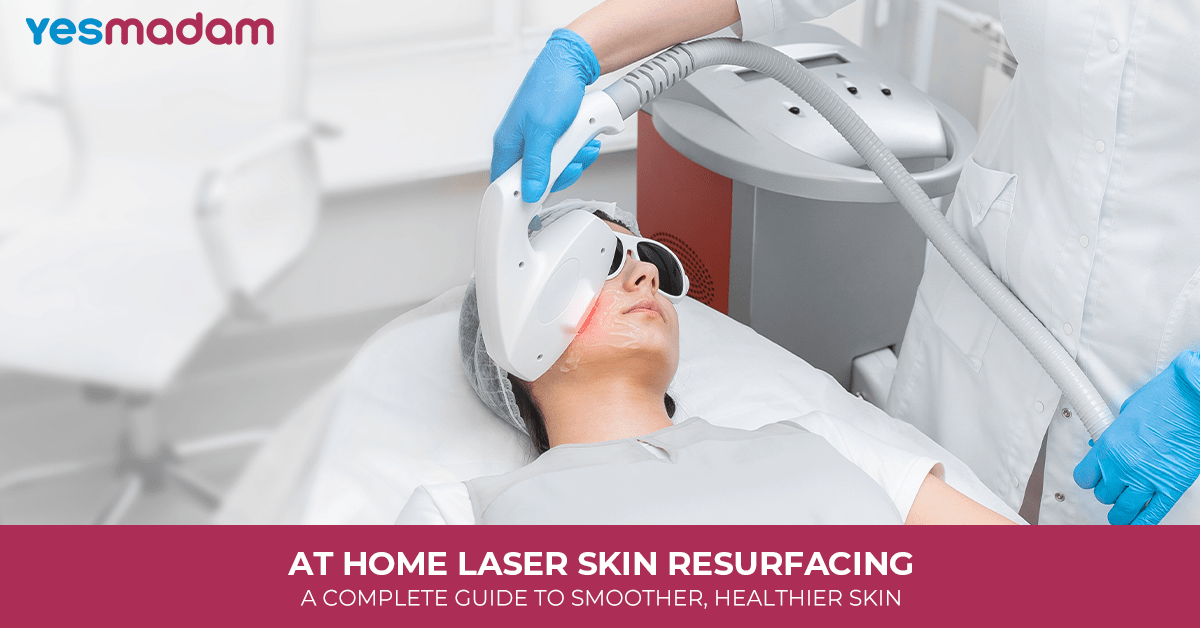
At Home Laser Skin Resurfacing: A Complete Guide to Smoother, Healthier Skin
Laser treatments were once something you could only get at a dermatologist’s office. But now, skincare technology has evolved in a way that allows people to explore at home laser skin resurfacing safely and conveniently. If you’ve ever wished for smoother skin, reduced fine lines, or a more even tone without constant clinic visits, you’re not alone.
At home laser skin resurfacing has become a popular option for those looking to refresh their skin on their own schedule. Still, with popularity comes confusion—how does it work, is it safe, and does it actually deliver results? This guide breaks it all down in simple, honest terms so you can make an informed decision.
Table of Contents
What Is At Home Laser Skin Resurfacing?
At home laser skin resurfacing is a skincare method that uses low-energy laser or light-based technology to improve the texture and appearance of the skin. Unlike professional laser treatments, at-home devices are designed with safety limits that make them suitable for personal use.
Before diving into how it works, it’s important to understand that this isn’t about drastic overnight changes. Instead, it’s a gradual process that supports skin renewal over time.
How It Works on the Skin
Laser resurfacing works by delivering controlled energy to the skin’s surface. This energy gently stimulates skin cells and encourages natural regeneration.
At home devices typically focus on the outer layers of the skin. They help trigger collagen production, which is responsible for firmness and elasticity. Over consistent use, this process can improve texture, tone, and overall clarity.
How At-Home Devices Differ from Clinical Lasers
Professional laser treatments use much stronger energy and penetrate deeper into the skin. That’s why they offer dramatic results but also require downtime and professional supervision.
At home laser skin resurfacing devices, on the other hand, use lower intensity technology. This makes them safer for regular use but also means results appear gradually rather than instantly.
Benefits of At Home Laser Skin Resurfacing

One of the biggest reasons people turn to at home laser skin resurfacing is convenience. But the benefits go far beyond just saving time.
Improved Skin Texture
With consistent use, many people notice smoother skin. Rough patches, mild unevenness, and dullness can slowly improve as skin renewal increases.
Reduction in Fine Lines and Early Wrinkles
While at-home treatments won’t erase deep wrinkles, they can soften fine lines by promoting collagen production. This makes skin appear firmer and more youthful over time.
More Even Skin Tone
Laser resurfacing can help fade mild discoloration and uneven pigmentation. Over time, the skin may look brighter and more balanced in tone.
Convenience and Cost-Effectiveness
Instead of scheduling appointments and paying per session, at-home devices allow you to treat your skin on your own time. While the initial cost may seem high, it often balances out compared to repeated professional treatments.
More Information For You: Types of Laser Treatments for Face
Is At Home Laser Skin Resurfacing Safe?

Safety is one of the most common concerns—and rightly so. Using any device that interacts with your skin requires responsibility and proper understanding.
Before discussing safety practices, it’s important to acknowledge that at-home devices are regulated and designed specifically for consumer use.
Built-In Safety Features
Most at home laser skin resurfacing devices include features like automatic skin sensors, energy limits, and treatment timers. These help prevent overuse and reduce the risk of burns or irritation.
Who Should Avoid It?
People with certain skin conditions, active infections, or very sensitive skin should consult a dermatologist before starting. It’s always better to be cautious when introducing new technology to your skincare routine.
Common Side Effects
Mild redness or warmth after use is normal and usually fades quickly. Serious side effects are rare when devices are used as instructed.
How to Use At Home Laser Skin Resurfacing Devices Correctly
Proper usage is key to seeing results and avoiding irritation. Jumping in without understanding the process can lead to disappointment or discomfort.
Preparing Your Skin Before Treatment
Clean skin is essential. Makeup, sunscreen, or oils can interfere with how the device works. Always start with freshly washed, dry skin.
During the Treatment Session
Follow the device instructions carefully. Move the device slowly and avoid overlapping areas unless recommended. More pressure or longer sessions don’t mean better results.
Aftercare and Skin Recovery
Moisturizing and sun protection are crucial after treatment. Your skin may be more sensitive, so gentle products and daily sunscreen are non-negotiable.
What Results Can You Expect?
One of the most important things to understand about at home laser skin resurfacing is that results take time. This isn’t a one-use miracle solution.
Short-Term Changes
In the early weeks, skin may feel smoother and look slightly brighter. These subtle changes are signs that the skin renewal process has begun.
Long-Term Improvements
With consistent use over several months, improvements in texture, tone, and fine lines become more noticeable. Patience and consistency make all the difference.
Who Is At Home Laser Skin Resurfacing Best For?
Not everyone has the same skincare needs, and that’s okay. This method works best for certain goals and expectations.
People dealing with mild aging signs, uneven texture, or dull skin often see the most benefit. Those expecting dramatic transformations may be better suited for professional treatments.
How Often Should You Use At Home Laser Skin Resurfacing?
Overuse is one of the biggest mistakes people make. More frequent sessions don’t equal faster results.
Most devices recommend using them once every one to two weeks. This gives the skin enough time to recover and regenerate between sessions.
At Home Laser Skin Resurfacing vs Other Skin Treatments
Understanding how this compares to other treatments can help you decide if it’s right for you.
Unlike chemical peels or exfoliating treatments, laser resurfacing works beneath the surface. It targets skin renewal at a deeper level, which is why results tend to last longer with consistent use.
Tips to Maximize Your Results
Getting the most out of at home laser skin resurfacing is about more than just the device.
- Stick to a consistent routine
- Stay hydrated
- Use sunscreen daily
- Avoid harsh skincare products between sessions
Healthy habits amplify the results and keep your skin looking its best.
Conclusion
At home laser skin resurfacing offers a balanced approach to skin renewal. It’s not an instant fix, but it is a practical, effective option for people who value consistency and long-term improvement.
When used correctly and patiently, it can support smoother texture, brighter tone, and healthier-looking skin, all from the comfort of your home. The key is realistic expectations, proper use, and commitment to your skincare routine.
FAQs
Is at home laser skin resurfacing suitable for all skin types?
At home laser skin resurfacing is designed for a wide range of skin types, but results can vary. People with very sensitive or reactive skin should consult a professional before starting to avoid irritation or discomfort.
How long does it take to see results?
Most users notice subtle changes within a few weeks, such as smoother texture or brighter skin. More visible improvements usually appear after consistent use over several months.
Can I use at home laser skin resurfacing with other skincare treatments?
Yes, but it’s important to avoid harsh treatments on the same days. Gentle skincare products and proper spacing between treatments help prevent irritation.
Does at home laser skin resurfacing hurt?
The sensation is usually mild and described as warmth or a light snapping feeling. Pain is uncommon when devices are used according to instructions.
Is there any downtime after using the device?
There is typically little to no downtime. Mild redness may appear but usually fades within a few hours, allowing you to continue daily activities.
Can at home laser skin resurfacing remove deep wrinkles?
It can help soften fine lines, but deep wrinkles usually require professional treatments. At-home devices work best for early signs of aging.
How often should beginners use the device?
Beginners should start slowly, following the manufacturer’s guidelines. Most devices recommend sessions every one to two weeks.
Do I need to wear sunscreen after treatment?
Yes, sunscreen is essential. Laser treatments can make skin more sensitive to sunlight, so daily sun protection helps prevent damage.
Is at home laser skin resurfacing safe around the eyes?
Only if the device specifically states it’s safe for that area. The skin around the eyes is delicate, so extra caution is required.
Can men use at home laser skin resurfacing?
Absolutely. At home laser skin resurfacing works the same regardless of gender and can benefit anyone looking to improve skin texture and tone.