Does Sweating Clear Skin? Benefits, Risks, and Expert Tips
Whether you’re working out in the heat or just getting sweaty running your daily errands, you may wonder whether that sweat is helping or hurting your skin. This blog has the answer.
Continue reading does sweating clear skin to explore the impact of sweat on your skin, the benefits it may include, the potential problems it may cause, and tips to reap the perks of sweat to promote better skin health.
Table of Contents
What is Sweating, Really?
Before delving into the benefits of sweating for skin, let’s understand what sweating is and the detoxification mechanism behind it that actually contributes to many health benefits of sweating for skin.
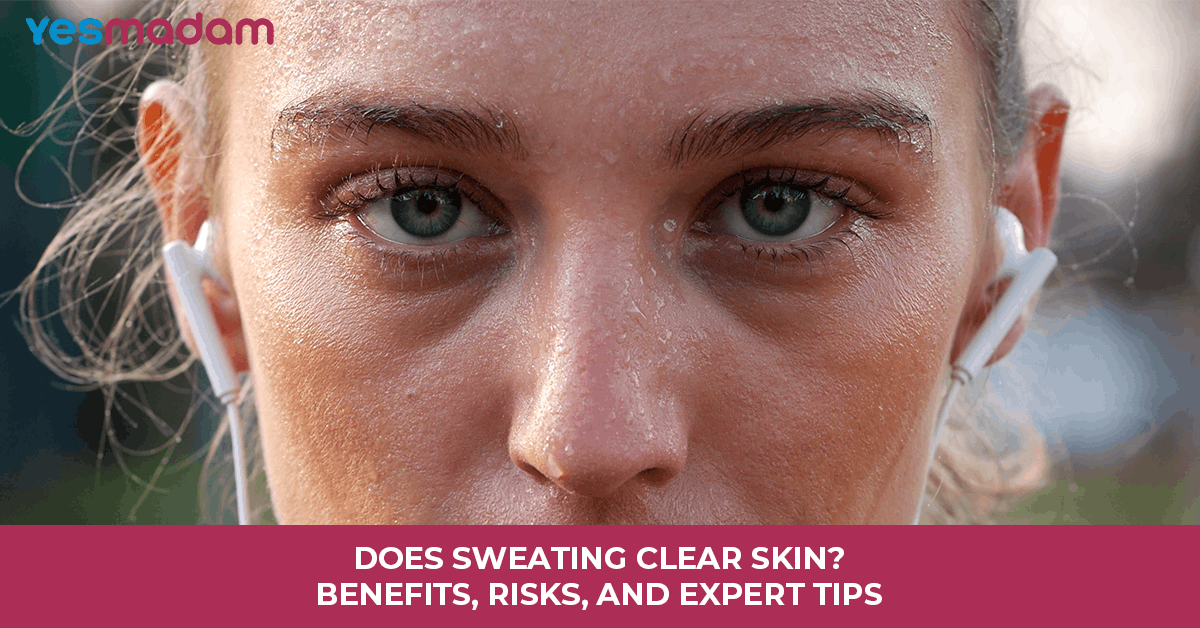
Sweating is your body’s natural way of cooling down when it gets too hot. This may happen during exercise, in hot weather, or when you’re feeling anxious or stressed. It is a type of biological process in which the body’s sweat glands produce a fluid made up of salt, water, and other minerals. This sweat or fluid is then excreted through the pores onto the skin’s surface.
This detoxification process, wherein sweat glands act as a secondary excretory system, helps to remove toxins and waste products from the body. It may cause healthier, radiant skin tone.
How Sweating Helps Your Skin: A Step-by-Step Guide
Wondering does sweating improve skin? The answer is yes. Here are some of the key benefits of sweating for your skin to justify this.
Helps clear the pores
Sweating and improved blood circulation have a direct correlation. This helps supply oxygen into our system, which causes a nice glow and helps your skin better react to your cleanser and other skincare products you’re applying.
Your sweat is a natural moisturiser
Sweating may also help with the moisturisation of your skin naturally. Eccrine sweat, for example, is thought to deliver water to your skin’s barrier, as well as natural moisturizing factors and antimicrobial peptides.
Hydrating your skin
Sweat can also help hydrate the skin by lubricating it with lipids. Due to this reason, sweating can prove to be a great healer or soother for those with dry skin issues. It will also provide you with a lasting natural glow without the need for a single beauty product.
6 Side Effects of Sweating for Your Skin

While sweating is a vital bodily function, the primary side effects for your skin usually occur when sweat is allowed to remain on the skin for extended periods, mixing with oils, bacteria, and impurities. The six main side effects are:
- Clogged pores and acne: A mixture of sweat, dead skin cells, and sebum (skin oils) can settle into and block pores, leading to breakouts and acne flare-ups.
- Skin irritation and inflammation: Sweat contains substances like sodium, urea, and ammonia, which can dry out the skin and contribute to irritation and inflammation, especially for those with sensitive skin or conditions like eczema and psoriasis.
- Fungal and bacterial infections: Warm, moist environments created by trapped sweat are ideal breeding grounds for fungi and bacteria. This can lead to conditions like athlete’s foot, jock itch, and other skin infections.
- Chafing: When moist skin rubs against itself or clothing, friction can cause chafing, which results in painful red patches, irritation, and sometimes blisters.
- Heat rash (prickly heat): This condition, known as miliaria, occurs when sweat ducts become blocked and trapped sweat irritates the skin, forming small red bumps or blisters that can be very itchy.
- Body odor: While sweat itself is odorless, the bacteria on your skin break down sweat components, creating an unpleasant smell.
So, Is Sweating Good For Your Skin?

There may be more cons than pros, but overall, sweating is really good for your skin, as beneath the discomfort is a remarkable mechanism working to maintain body temperature and protect your skin. Here’s a quick recap of both the positives and negatives of sweating for your skin:
The overall positives of sweating for your skin
- Detoxification: Sweating plays a minor yet important role in removing toxins from the body. Once sweat is secreted to the skin’s surface, it carries along urea, salts, pollutants, and even certain heavy metals and metabolic waste products from our system.
- Cleansing: The moisture released during sweating helps cleanse the skin by loosening oil, dirt, and dead skin cells that accumulate on the surface as we go about our day. This natural cleansing minimises the risk of developing acne and many other skin problems.
- Improved blood circulation: Blood circulation promotes the health and vitality of skin cells through delivering oxygen and nutrients. Sweating during physical activities enhances blood circulation, thus promoting skin health.
- Improved skin barrier: The skin prevents bacteria, pollutants, and allergens from entering our bodies. Sweat includes a blend of salts that create a barrier for reinforcing the skin’s natural defense mechanisms, rendering the skin more resilient.
- Stress relief: Stress, although, has an impact on your physical and mental well-being, also affects your skin’s health. Sweating may promote “relaxation” through triggering the release of “endorphins” (feel-good hormones ) and help reduce stress levels.
The overall negatives of sweating for your skin
- Acne: Increased sweat production may worsen existing acne or trigger new breakouts, especially in areas prone to sweat accumulation, such as the face, back, and chest.
- Disruption of the skin’s PH balance: Sweat can disrupt your skin’s natural PH balance, causing dryness, irritation, or even breakouts.
- Sunburn: Sweat may dilute sunscreen, making your skin more susceptible to sunburn, more so during outdoor workouts.
- Salt build-up: The salt in sweat may irritate the skin, more so in areas with sensitive skin.
- Dehydration: The salt and sugars in sweat can draw moisture out of your skin, leading it to get dehydrated. This may make your skin appear dull and feel rough to the touch.
- Ingrown hairs: Sweat may trap hair follicles, causing inflammation and ingrown hairs.
- Skin sensitivity: Excess sweating may make the skin more sensitive to allergens or irritants.
The closing thoughts
So, the final answer to: Is sweating good or bad for your skin? lies in finding the right balance. In moderation, sweating may positively contribute to skin health through aiding detoxification, hydration, and circulation.
But excessive sweating may also create a moist environment that fosters fungal or bacterial growth, causing conditions like infections or acne.
Maintaining balance between good hygiene and hydration can help you reap the benefits of sweating while reducing the potential risks to ensure healthy skin.
Tips for Maximizing The Benefits of Sweat Without the Downsides
Despite the cons, sweating in reality is a boon for your skin’s health, as the disadvantages are largely preventable through the effective tips highlighted below:
Best skincare products for sweaty skin
- Gentle, fragrance-free cleansers: Effectively eliminate sweat without irritating sensitive skin.
- Oil-free moisturisers: Hydrate your skin to balance moisture levels without clogging pores.
- Glycolic acid or salicylic acid cleansers: To help exfoliate the skin and keep pores clear, reducing the chances of sweat-induced acne.
- Aluminium-free antiperspirants: Including ingredients such as aloe vera, which may calm irritated skin.
- Oil-free, sweat-resistant formulas: Great, if you wear makeup, to avoid clogging pores.
Other effective ways to maximize the benefits of sweating on skin
- Hydration: Drinking an adequate amount of water maintains the body’s fluid balance and supports efficient sweat production.
- Choose the right clothing: Choose breathable, moisture-wicking fabrics to help keep your skin dry and dehydrated.
- Gentle skincare routine: Use a gentle cleanser and moisturiser to soothe your skin. Skip harsh cleansers and scrubs, as they may irritate the skin.
- Powder application: Apply talcum powder or a skin-friendly alternative to reduce friction and absorb sweat in areas prone to chafing.
- Seek professional advice: Get a professional opinion. Consulting a dermatologist can offer advice and treatment for skin problems associated with intense sweating.
Conclusion
So, the answer to: Does sweating clear skin is an absolute yes. It is more than a natural cooling mechanism for our bodies. It is a natural and sustainable process that may significantly contribute to skin health with both positive and negative effects on the skin. Through understanding these effects and taking steps to manage them, you can keep your skin feeling and looking its best.
FAQs
Does sweating makes skin glow?
Yes, sweating can make skin glow by increasing circulation, delivering oxygen and nutrients, clearing pores of impurities, and hydrating the skin for a fresh, radiant look, but it’s crucial to cleanse afterward to prevent issues.
Does sweating makes skin fair?
No, sweating doesn’t make skin fairer (lighter), but it contributes to a healthier, glowing complexion by increasing circulation, delivering nutrients, clearing pores, and hydrating the skin, making it look brighter, plumper, and more radiant.
Does sweating remove toxins from the skin?
Sweat releases small amounts of waste, but the liver and kidneys are mainly responsible for detoxification. Sweating supports skin health indirectly by improving circulation, not by detoxifying pores.
Can sweating reduce acne?
Sweating may temporarily help by loosening dirt in pores, but acne improves only if you cleanse your skin afterward. Otherwise, sweat can worsen acne.
Is sweating good for oily skin?
Sweating itself doesn’t control oil production. Oily skin can benefit from exercise, but proper cleansing and oil-balancing skincare are essential.
Does sweating help clear blackheads and whiteheads?
Sweating can soften debris inside pores, making cleansing more effective, but it does not remove blackheads on its own.
Should you wash your face immediately after sweating?
Yes, gently cleansing your face after sweating helps prevent clogged pores, acne, and irritation.
Can sweating cause skin problems?
Excessive sweating can cause issues like acne, heat rash, fungal infections, or irritation if hygiene is poor.
How can you sweat safely for healthy skin?
Exercise regularly, avoid heavy makeup while sweating, cleanse your skin afterward, stay hydrated, and use non-comedogenic skincare products.
Is sweating without exercise good for skin?
Sweating without physical activity offers fewer skin benefits because it doesn’t boost circulation as exercise does.