Pimple on Forehead: Causes, Treatments, and How to Prevent It Naturally
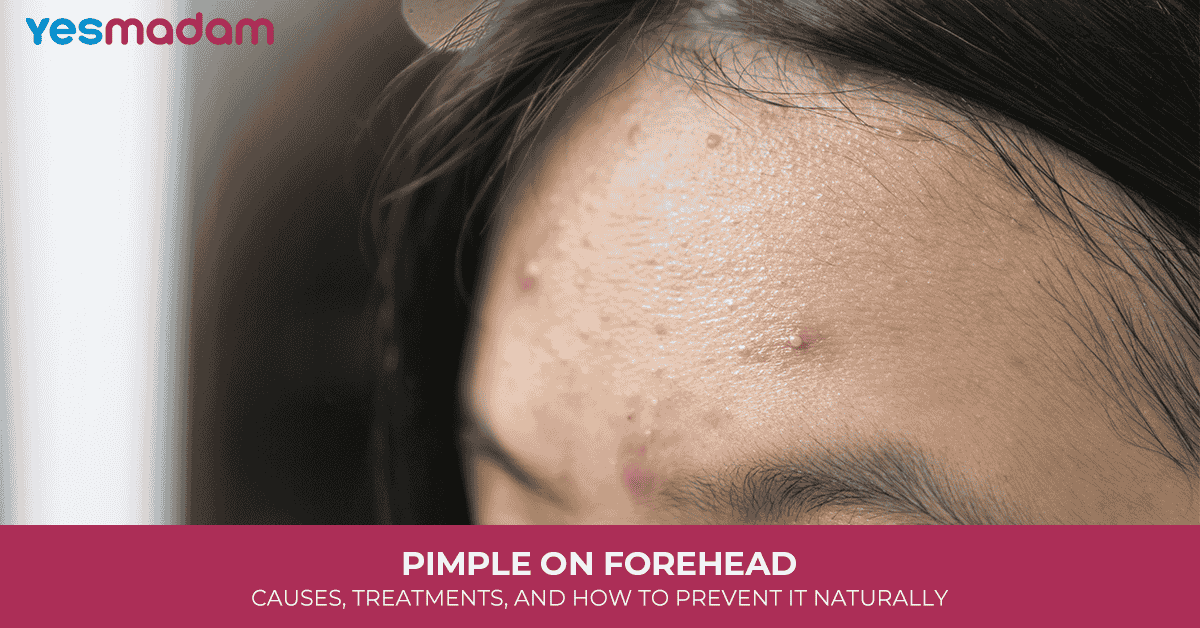
A pimple on forehead can be one of the most frustrating skin issues to deal with. It often shows up right when you don’t want it to, before an event, a meeting, or even a casual day out. Because the forehead sits right in the center of the face, even a small breakout can feel impossible to ignore. While it might seem like a minor issue, recurring pimples on the forehead often point to deeper causes related to skincare habits, lifestyle choices, or internal health.
The good news? Forehead pimples are manageable once you understand why they occur and how to treat them properly. In this guide, we’ll break everything down in a clear, friendly, and practical way, so you know exactly what your skin is trying to tell you and how to respond.
Table of Contents
What Does a Pimple on Forehead Really Mean?
Before jumping into solutions, it’s important to understand what a pimple on the forehead actually represents. The forehead is part of the T-zone, an area that naturally produces more oil than the rest of the face. Because of this, it’s more prone to clogged pores, excess sebum, and breakouts.
A forehead pimple isn’t just about dirt or poor hygiene. It’s often the result of a combination of internal and external factors working together. Understanding this helps you treat the root cause instead of just the surface problem.
Common Causes of Pimples on the Forehead

Forehead pimples don’t appear randomly. There’s usually a clear reason behind them, and identifying it is the first step toward long-term skin clarity.
Hormonal Imbalance
Hormonal fluctuations are one of the biggest triggers behind a pimple on forehead. Changes during puberty, menstrual cycles, stress, or even poor sleep can stimulate oil glands, leading to clogged pores and inflammation.
Excess Oil Production
The forehead naturally produces more oil than other facial areas. When this oil mixes with dead skin cells, it can block pores and create the perfect environment for pimples to form.
Hair Products and Hairline Issues
Your shampoo, conditioner, hair oil, or styling products can silently contribute to forehead breakouts. When these products come into contact with your skin, they can clog pores, especially along the hairline.
Poor Skincare Habits
Skipping cleansing, over-exfoliating, or using harsh products can irritate your skin barrier. This irritation often results in increased oil production and breakouts.
Diet and Digestive Health
What you eat shows up on your skin more than you might think. Diets high in sugar, processed foods, or dairy can sometimes trigger inflammation that appears as forehead acne.
Different Types of Forehead Pimples
Not all pimples are the same, and understanding the type you’re dealing with can help you treat it more effectively.
Whiteheads
Whiteheads are small, closed bumps that form when pores are clogged with oil and dead skin but remain covered by skin.
Blackheads
These are open pores that oxidize when exposed to air, turning dark on the surface. They’re common on oily foreheads.
Inflammatory Pimples
Red, painful pimples indicate inflammation and bacterial activity beneath the skin. These require gentler care and patience.
Cystic Acne
Deep, painful lumps under the skin are often hormonal and should never be squeezed, as they can cause scarring.
How to Treat a Pimple on Forehead Effectively

Treating forehead pimples isn’t about quick fixes. It’s about consistency, gentle care, and understanding your skin’s needs.
Cleanse Gently but Consistently
Wash your face twice daily using a mild, non-comedogenic cleanser. Avoid harsh scrubs that can worsen inflammation.
Use Targeted Treatments
Spot treatments with ingredients like salicylic acid or benzoyl peroxide can help reduce inflammation and kill acne-causing bacteria when used sparingly.
Avoid Touching or Picking
Touching your forehead transfers bacteria and oils from your hands, making pimples worse and increasing the risk of scarring.
Keep Hair Away from Your Forehead
If you have bangs or long hair, make sure they’re clean and not constantly brushing against your forehead.
Natural Remedies That Can Help
If you prefer a gentler approach, some natural remedies can support your skincare routine.
Aloe Vera Gel
Aloe vera has soothing and antibacterial properties that help calm redness and promote healing.
Tea Tree Oil (Diluted)
When diluted properly, tea tree oil can reduce bacteria and inflammation without over-drying the skin.
Cold Compress
Applying a clean, cold compress can help reduce swelling and redness, especially for painful pimples.
Daily Habits to Prevent Forehead Pimples
Prevention is always easier than treatment, and small daily habits can make a big difference.
Maintain a Balanced Diet
Eat more fruits, vegetables, and whole foods. Staying hydrated also helps flush toxins from your body.
Change Pillowcases Regularly
Your pillowcase collects oil, sweat, and bacteria, all of which can transfer to your forehead while you sleep.
Manage Stress Levels
Chronic stress can trigger hormonal imbalances that lead to breakouts. Simple practices like walking, meditation, or deep breathing can help.
When Should You See a Dermatologist?
If a pimple on the forehead becomes frequent, painful, or leaves marks behind, it may be time to seek professional help. A dermatologist can identify underlying causes and recommend personalized treatments that go beyond over-the-counter products.
Conclusion
A pimple on the forehead may seem like a small issue, but it often reflects what’s happening beneath the surface, both in your skin and your lifestyle. By understanding the causes, choosing the right treatments, and building healthier habits, you can reduce breakouts and maintain clearer skin over time. Remember, consistency and patience matter more than quick fixes. Treat your skin kindly, and it will respond in return.
Frequently Asked Questions (FAQs)
Why do I keep getting a pimple on forehead repeatedly?
Recurring forehead pimples are often linked to excess oil, hormonal changes, or hair products clogging pores. Identifying the trigger helps prevent future breakouts.
Is a pimple on forehead related to stress?
Yes, stress can increase hormone levels that stimulate oil production, leading to clogged pores and inflammation on the forehead.
Can hair products cause forehead pimples?
Absolutely. Oils, gels, and conditioners can transfer onto your skin and clog pores, especially near the hairline.
Should I pop a pimple on forehead?
No, popping can push bacteria deeper into the skin, increasing inflammation and the risk of scarring.
How long does a forehead pimple take to heal?
Most pimples heal within a few days to a week, depending on their severity and how they’re treated.
Does diet affect forehead acne?
Certain foods, especially high-sugar or processed items, can contribute to inflammation that shows up as acne.
Can natural remedies fully cure forehead pimples?
Natural remedies can support healing, but consistent skincare and lifestyle changes are essential for long-term results.
Is forehead acne hormonal?
Many forehead pimples are influenced by hormones, especially during puberty, menstrual cycles, or high-stress periods.
What skincare ingredients should I avoid?
Avoid heavy oils, alcohol-based products, and harsh exfoliants that can irritate the skin.
When should I see a dermatologist for forehead pimples?
If pimples are persistent, painful, or leave scars, professional guidance is recommended.