Argan Oil for Skin: The Ultimate Guide to Glowing, Healthy Skin Naturally
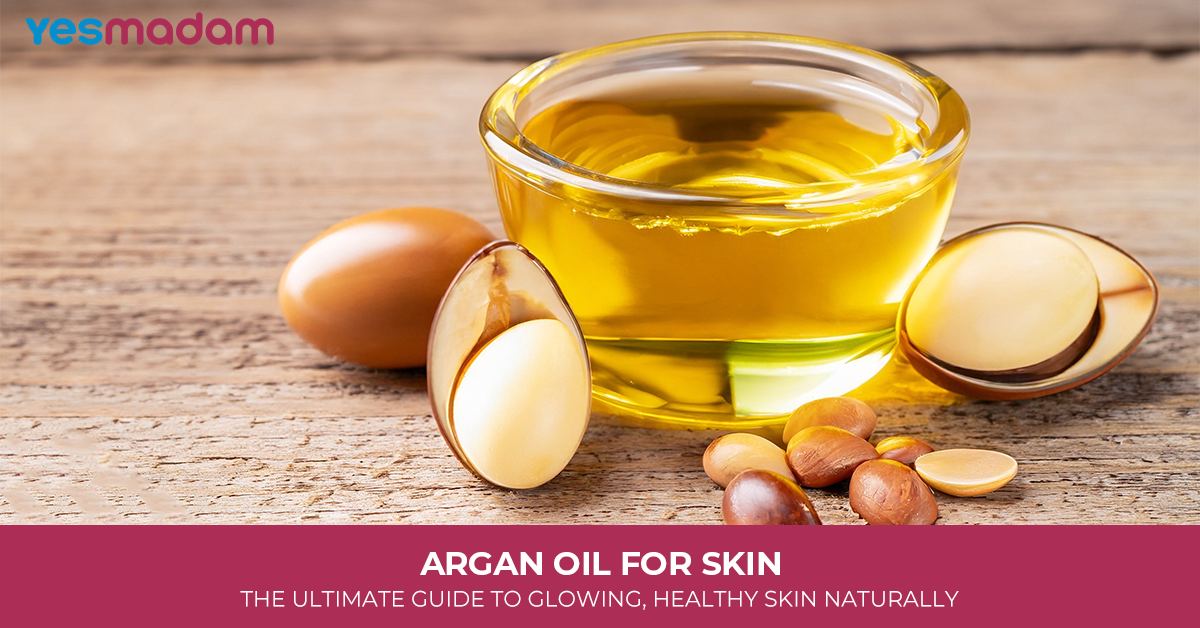
If there’s one beauty ingredient that’s stood the test of time, it’s argan oil for skin. Known as “liquid gold,” this natural oil is extracted from the kernels of the Moroccan argan tree and has been used for centuries for its healing and beautifying properties. Packed with antioxidants, vitamin E, and essential fatty acids, argan oil deeply nourishes the skin without making it greasy, a true multitasker in your skincare routine.
But what makes argan oil so special, and how can you use it to achieve glowing, healthy skin? Let’s dive deep into its science, benefits, and practical uses.
Table of Contents
What Is Argan Oil and Why It’s So Loved in Skincare
Argan oil is a plant-based oil derived from the nuts of the argan tree (Argania spinosa), native to Morocco. It’s rich in nutrients like omega-6 fatty acids, linoleic acid, and vitamin E, all essential for maintaining skin elasticity and hydration.
What makes it truly unique is its molecular structure. Unlike heavy oils that clog pores, argan oil absorbs quickly, balancing skin moisture levels while strengthening the skin barrier.
In short, it’s nature’s perfect moisturizer, effective for dry, oily, sensitive, and combination skin alike.
More Information For You: Walnut Oil in Skin Care
The Amazing Benefits of Argan Oil for Skin

Before you add argan oil to your skincare shelf, let’s explore the remarkable benefits it offers.
1. Deep Hydration Without Greasiness
Argan oil delivers intense hydration while remaining lightweight. Thanks to its high concentration of fatty acids, it locks in moisture and prevents transepidermal water loss, ideal for anyone struggling with dryness or flakiness.
Pro tip: Apply a few drops after cleansing and toning to seal in hydration.
2. Fights Signs of Aging
Argan oil is rich in antioxidants like vitamin E and ferulic acid, which neutralize free radicals that cause wrinkles and fine lines. Regular use can boost skin elasticity, giving your face a youthful, supple glow.
Many users report smoother texture and reduced crow’s feet after consistent use — no wonder it’s often called nature’s anti-aging serum.
3. Soothes Inflammation and Redness
If you deal with irritated or sensitive skin, argan oil can be your skin’s savior. Its anti-inflammatory properties help reduce redness, itching, and dryness, especially for conditions like eczema or rosacea.
It’s gentle, non-irritating, and promotes faster skin repair.
4. Balances Oily Skin and Prevents Acne
Here’s the beauty of argan oil: it hydrates dry patches and helps control oil production. When the skin lacks moisture, it tends to overproduce sebum — leading to clogged pores and acne. Argan oil balances this cycle naturally.
Plus, its linoleic acid content helps reduce acne inflammation and fade post-acne marks.
5. Protects Against Environmental Damage
UV rays, pollution, and toxins can accelerate skin aging. Argan oil forms a light, protective layer on your skin, shielding it from environmental stressors while allowing it to breathe.
It’s like giving your skin an invisible armor of nourishment and protection.
How to Use Argan Oil for Skin (The Right Way)
Knowing how to apply argan oil can make all the difference. It’s versatile, so you can use it in several ways depending on your skin’s needs.
1. As a Moisturizer
After cleansing, apply 2–3 drops of pure argan oil to your damp face. Massage it gently in upward strokes. It absorbs quickly and leaves a soft, dewy finish.
2. As a Night Serum
Before bed, layer a few drops of argan oil over your moisturizer. This locks in hydration and allows your skin to repair overnight. You’ll wake up with visibly plumper, glowing skin.
3. As a Makeup Primer
A tiny drop of argan oil before foundation helps your makeup glide smoothly while giving your skin a natural glow. It’s an excellent primer for dry or dull complexions.
4. As a Lip and Under-Eye Treatment
The delicate areas of your face, lips, and under-eyes crave extra nourishment. Dab a drop under your eyes to reduce fine lines or apply it on your lips for all-day softness.
Why Argan Oil Works So Well (The Science Explained)
Argan oil’s effectiveness lies in its composition. It’s loaded with skin-loving nutrients such as:
- Vitamin E: Strengthens the skin barrier and fights oxidative stress.
- Linoleic Acid: Soothes inflammation and regulates sebum.
- Oleic Acid: Deeply moisturizes and enhances product absorption.
- Squalene: Boosts elasticity and prevents dryness.
- Polyphenols: Provide natural UV protection and repair damaged skin cells.
These components work synergistically to keep your skin nourished, balanced, and youthful.
Choosing the Right Argan Oil for Your Skin
Not all argan oils are created equal. To get the best results, choose 100% pure, cold-pressed argan oil. Avoid those with added fragrances or preservatives.
Look for these markers:
- Certified organic label
- “Cold-pressed” on the packaging
- Comes in a dark glass bottle to prevent oxidation
The purer the oil, the more potent and beneficial it will be for your skin.
Argan Oil for Different Skin Types
Every skin type can benefit from argan oil, but the way you use it may vary.
For Dry Skin
Use it twice daily, morning and night as a moisturizer or mix it with your face cream for extra hydration.
For Oily Skin
Use 1–2 drops only at night. It helps regulate sebum without clogging pores.
For Sensitive Skin
Patch-test before applying directly. Mix it with aloe vera gel for a calming effect.
For Combination Skin
Focus on drier areas like cheeks and avoid the oily T-zone if necessary.
Don’t Miss: Saffron Oil for Face
DIY Argan Oil Skincare Recipes
One of the best parts of argan oil is how easily it blends with other natural ingredients. Here are a few DIY ideas to try.
1. Argan Oil Face Mask for Glow
Mix:
- 1 tablespoon of honey
- 2 drops of argan oil
- 1 teaspoon of yogurt
Apply for 15 minutes, then rinse. Your skin will feel refreshed and hydrated instantly.
2. Argan Oil Night Serum
Combine:
- 2 tablespoons of argan oil
- 1 capsule of vitamin E oil
- 1 drop of lavender essential oil
Use before bedtime for a rejuvenating overnight treatment.
3. Argan Oil Exfoliating Scrub
Mix:
- 1 tablespoon brown sugar
- 1 teaspoon argan oil
- 1 teaspoon coconut oil
Massage gently on your face once a week for smooth, glowing skin.
Common Myths About Argan Oil (Busted!)

Myth 1: Oils cause breakouts
Not true! Argan oil is non-comedogenic (rated 0 on the comedogenic scale), meaning it doesn’t clog pores.
Myth 2: It’s only for dry skin
Argan oil balances oil levels, making it ideal even for oily and acne-prone skin.
Myth 3: It can replace sunscreen
Although it provides mild UV protection, argan oil should not replace your SPF.
Myth 4: All argan oils are the same
Only cold-pressed, organic argan oil provides maximum skin benefits — cheap, diluted versions won’t deliver results.
Argan Oil vs. Other Popular Skincare Oils
Let’s see how argan oil compares with other trending oils:
| Oil Type | Texture | Comedogenic Rating | Best For |
| Argan Oil | Lightweight | 0 | All skin types |
| Coconut Oil | Heavy | 4 | Very dry skin |
| Jojoba Oil | Medium | 2 | Oily to normal skin |
| Rosehip Oil | Light | 1 | Anti-aging, brightening |
| Olive Oil | Thick | 3 | Dry skin only |
Argan oil wins for versatility and its ability to suit every skin type without causing congestion.
Precautions When Using Argan Oil for Skin
While argan oil is generally safe, a few precautions ensure you get the best out of it:
- Always do a patch test before applying directly to the face.
- Avoid using rancid or expired oil.
- Store it in a cool, dark place.
- Use sparingly; a few drops go a long way.
Conclusion
From hydration to anti-aging to soothing irritation, argan oil for skin is a true multitasker. It’s natural, safe, and suitable for everyone, whether you’re 18 or 80.
Incorporating this liquid gold into your daily routine can transform your skin’s texture and glow over time. Start small, stay consistent, and let your skin thank you with radiance and resilience.
FAQs
1. Can argan oil be used on oily skin?
Yes! Argan oil helps regulate sebum production, preventing excess oiliness. Its lightweight texture makes it perfect even for acne-prone skin.
2. How often should I use argan oil on my face?
You can use it once or twice daily, morning and night. Adjust based on your skin’s needs and how it responds.
3. Can argan oil replace my moisturizer?
Absolutely. Pure argan oil can act as a standalone moisturizer, especially for dry or combination skin. It locks in hydration effectively.
4. Does argan oil help with acne scars?
Yes, it’s vitamin E and antioxidants promote cell regeneration, helping fade scars and even out skin tone over time.
5. Can I use argan oil under makeup?
Definitely. Argan oil acts as a natural primer, creating a smooth base for foundation and giving a radiant, dewy finish.
6. Is argan oil safe for sensitive skin?
Yes, it’s one of the gentlest oils available. However, always patch-test first to rule out allergic reactions.
7. Does argan oil clog pores?
No, it’s non-comedogenic and won’t block pores. It’s even known to reduce blackheads and whiteheads with regular use.
8. Can argan oil lighten dark spots?
While it doesn’t bleach the skin, its antioxidants can fade hyperpigmentation and promote a brighter, more even complexion.
9. How can I tell if my argan oil is pure?
Look for “100% pure cold-pressed argan oil” on the label. It should have a light nutty scent and come in a dark glass bottle.
10. Can I use argan oil on my body too?
Yes! It’s excellent for dry elbows, knees, cuticles, and even as an after-shower body oil for soft, glowing skin.