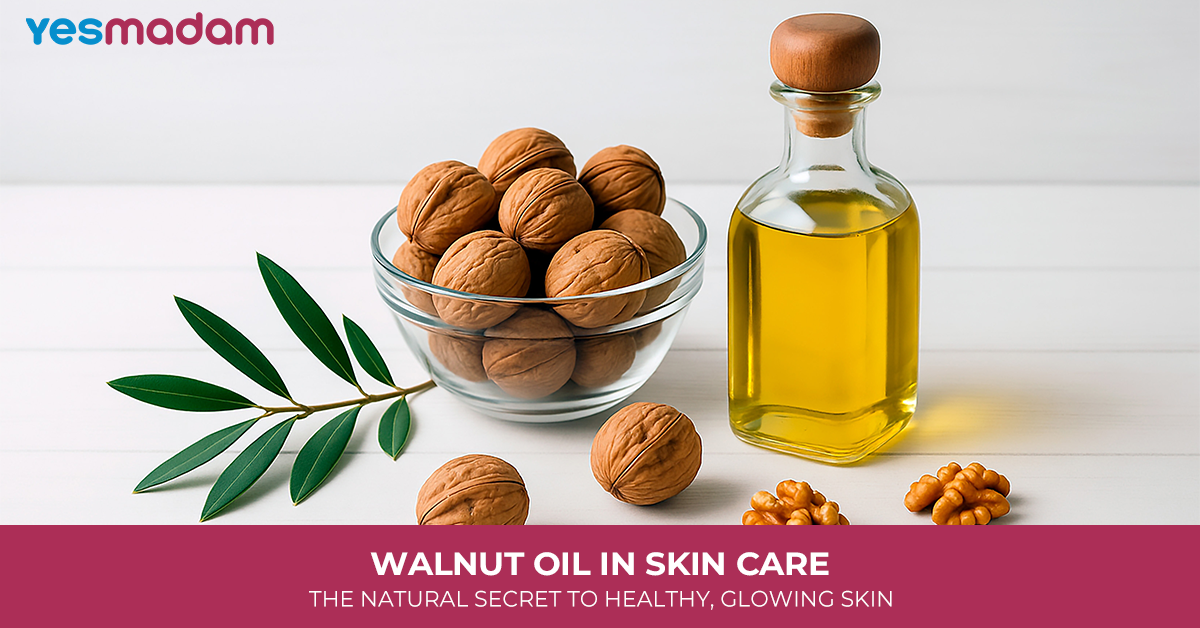
Walnut Oil in Skin Care: The Natural Secret to Healthy, Glowing Skin
If you’ve been exploring natural ways to nourish your skin, you’ve probably come across walnut oil in skin care. And for good reason, this golden, nutty oil is a skincare powerhouse that’s been used for centuries. Extracted from the kernels of walnuts, it’s rich in omega-3 fatty acids, antioxidants, and vitamins that make your skin feel alive and refreshed.
Today, as more people shift toward clean beauty and holistic wellness, walnut oil is regaining its fame, and it deserves every bit of the spotlight. Let’s dive into what makes this oil so special, how to use it effectively, and what results you can expect when you make it part of your daily skincare ritual.
Table of Contents
The Nutrient Powerhouse Behind Walnut Oil
Before we get into its beauty benefits, it’s worth understanding why walnut oil is so potent. This oil is a treasure chest of nutrients that your skin craves.
Rich in Essential Fatty Acids
Walnut oil is loaded with omega-3 and omega-6 fatty acids, which help repair your skin barrier, lock in moisture, and reduce inflammation. These fatty acids act like tiny soldiers protecting your skin from dryness, irritation, and environmental stressors.
Antioxidants That Fight Aging
The oil contains vitamins B and E, both known for their anti-aging properties. Vitamin E, in particular, helps fight free radicals, the pesky molecules that cause premature wrinkles and dullness. Regular use of walnut oil can make your skin appear firmer, smoother, and more radiant over time.
A Natural Source of Hydration
If you often struggle with dryness or flakiness, walnut oil provides intense hydration without feeling heavy or greasy. It penetrates deep into the skin layers, restoring softness and suppleness that lasts all day.
Benefits of Walnut Oil for Skin

When it comes to natural skincare ingredients, walnut oil is truly multifunctional. Here are some of the key ways it benefits your skin.
1. Deeply Moisturizes and Nourishes
Walnut oil acts as a natural emollient that helps your skin retain moisture. It’s especially helpful for people with dry, flaky, or sensitive skin. The oil forms a gentle barrier that prevents water loss while keeping the skin smooth and plump.
2. Combats Premature Aging
Using walnut oil for anti-aging can help reduce the appearance of fine lines and wrinkles. Its antioxidant-rich formula helps boost collagen production and repair skin damage caused by sun exposure and pollution.
3. Helps Clear Acne and Pimples
While it might sound counterintuitive to apply oil to acne-prone skin, walnut oil for acne is surprisingly effective. Thanks to its antibacterial and anti-inflammatory properties, it helps reduce redness, swelling, and breakouts without clogging pores.
4. Brightens and Evens Skin Tone
Regular use of walnut oil for glowing skin can visibly enhance your complexion. It helps fade dark spots, improves skin texture, and gives your face a healthy, luminous look.
5. Protects Against Environmental Damage
Pollution, UV rays, and daily stress can wreak havoc on your skin. Walnut oil strengthens the skin’s natural barrier, offering a layer of defense that keeps your complexion youthful and vibrant.
How to Use Walnut Oil for the Face
So, how can you actually add this golden elixir to your skincare routine? The best part is, walnut oil is incredibly versatile and suits most skin types.
As a Daily Moisturizer
After cleansing your face, apply 2–3 drops of walnut oil to damp skin. Massage it gently in circular motions. You’ll notice an instant glow and long-lasting hydration.
As an Overnight Treatment
If your skin feels tired or dull, try using walnut oil as a night serum. Its nutrients work overnight to repair and rejuvenate your skin while you sleep. Wake up with smoother, brighter skin.
As a Massage Oil
You can also use walnut oil for massage. Its rich texture and soothing aroma make it perfect for facial massages that stimulate blood circulation and relax facial muscles.
As a Makeup Remover
Walnut oil works wonders as a gentle makeup remover. It melts away stubborn mascara, foundation, and sunscreen without stripping your skin of moisture.
Walnut Oil vs Coconut Oil: Which Is Better for Skin?
Both walnut and coconut oils have their own skincare superpowers. Coconut oil is known for deep hydration and soothing properties, making it great for dry skin. However, walnut oil vs coconut oil debates often lean toward walnut oil for those looking for anti-aging and antioxidant benefits.
In essence, walnut oil offers a lighter texture and more targeted repair, especially for dull or mature skin, whereas coconut oil is best for heavy-duty moisture needs.
Is Walnut Oil Good for Dry Skin?
Absolutely! Is walnut oil good for dry skin? Yes — it’s one of the best natural remedies you can use. Because it’s high in linoleic acid and vitamin E, walnut oil replenishes lost lipids in the skin, restoring elasticity and softness. It also relieves itching and flakiness that often come with dry skin conditions.
Cold-Pressed Walnut Oil: The Best Choice for Skin
When choosing walnut oil for skincare, always go for cold-pressed walnut oil. This means the oil is extracted without heat, preserving its nutrients, antioxidants, and fatty acids in their most potent form. Cold-pressed oils absorb better and deliver noticeable results faster compared to refined varieties.
How to Incorporate Walnut Oil into Your Skincare Routine
Adding walnut oil to your routine is easy, but consistency matters. Let’s see how to integrate it into different steps of your regimen.
Morning Routine
Mix a few drops of walnut oil with your daily moisturizer or sunscreen. It adds a natural glow and helps seal in hydration for the day ahead.
Night Routine
Use walnut oil as your last skincare step after cleansing and applying serum. Its rich texture locks in moisture and boosts overnight repair.
Weekly Treatments
Try blending walnut oil with honey or aloe vera gel to make a DIY face mask once a week. It’s a perfect way to nourish your skin naturally.
Potential Side Effects of Walnut Oil on Skin

While generally safe, it’s essential to be aware of the potential side effects of walnut oil on skin. People with nut allergies should avoid it altogether. If you’re new to walnut oil, always do a patch test on a small area of skin before full use. Rarely, it can cause mild irritation or clogged pores if used excessively; moderation is key.
Walnut Oil for Total Skin Wellness
Beyond hydration and glow, walnut oil supports overall skin wellness. Its nutrients enhance the skin’s resilience, reduce inflammation, and promote long-term vitality. Using it regularly can help you achieve that naturally radiant, “lit-from-within” look — without relying on harsh chemicals or expensive creams.
Conclusion
In a world full of synthetic skincare ingredients, walnut oil in skin care stands out as a wholesome, nature-powered solution. It nourishes, heals, and rejuvenates your skin from within, bringing visible results that feel authentic and lasting. Whether you use it as a moisturizer, night treatment, or facial massage oil, walnut oil is a gift your skin will thank you for.
So, if you’re ready to simplify your routine and bring back your skin’s natural glow, this age-old ingredient might just be your new skincare hero.
Frequently Asked Questions
1. Can walnut oil be used on all skin types?
Yes, walnut oil suits most skin types, but it’s especially beneficial for dry, combination, or mature skin. Oily or acne-prone users should start with small amounts to see how their skin responds.
2. How often should I use walnut oil on my face?
You can use walnut oil once or twice daily. Applying it at night helps the nutrients work while your skin repairs itself during sleep.
3. Can walnut oil remove dark spots?
Yes, consistent use can help fade dark spots and pigmentation. Its antioxidants and vitamin E promote cell renewal, evening out the skin tone over time.
4. Does walnut oil help with wrinkles?
Absolutely! Walnut oil boosts collagen production and minimizes fine lines, making it a great anti-aging remedy for mature skin.
5. Can I mix walnut oil with other oils?
Yes, you can blend it with lighter oils like jojoba or argan oil for added benefits. Mixing enhances absorption and customizes hydration.
6. Is cold-pressed walnut oil better than refined?
Definitely. Cold-pressed walnut oil retains all natural vitamins and antioxidants that get lost during heat extraction, making it more effective for skincare.
7. Does walnut oil clog pores?
Generally, no — it’s non-comedogenic when used in moderation. However, using too much can overwhelm oily skin, so apply sparingly.
8. Can walnut oil help with acne scars?
Yes, it can reduce acne scars over time. Its anti-inflammatory properties soothe skin and encourage faster healing.
9. How long does walnut oil take to show results?
With regular use, you may notice visible improvements in 2–3 weeks — brighter, softer, and more hydrated skin.
10. Can walnut oil be used under makeup?
Yes! A few drops of walnut oil create a smooth base for makeup, giving your foundation a dewy finish without feeling greasy.