Understanding Darkness Around the Corner of Lips: Causes, Treatments, & Prevention
Have you noticed darkness around the corner of lips and wondered why it’s happening? You’re not alone. This common concern can raise questions about appearance, health, and how to restore an even skin tone. In this article, we’ll explore what causes this darkness, how it can be managed, and the best preventive steps to take. We’ll also weave in important secondary topics like sun protection, nutritional deficiencies, skincare routines, and underlying conditions — all in a conversational and easy-to-understand manner.
Table of Contents
What does “darkness around the corner of lips” mean?
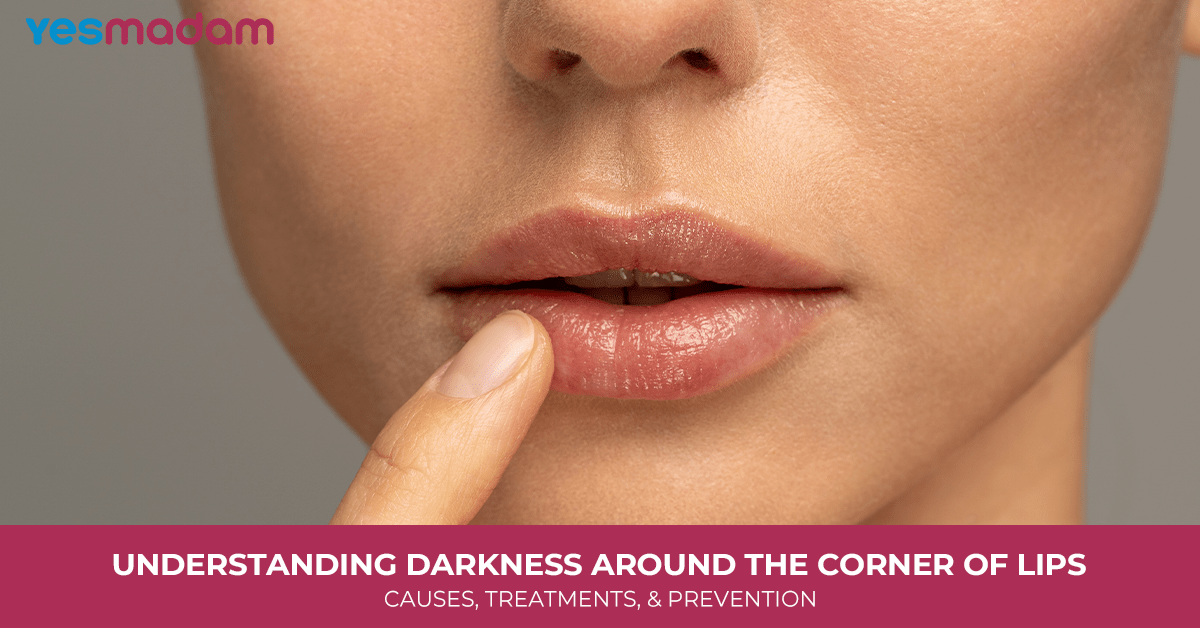
When we talk about darkness around the corner of lips, we are referring to visible darkened patches or hyperpigmentation in the delicate skin at the mouth’s angles — where the upper and lower lips meet. This area is especially susceptible because of thin skin, frequent movement, irritation and exposure to external factors.
There are subtle transitions before we dive deeper: we’ll look at the causes, then treatments, preventive habits, and when to see a professional. Understanding what’s happening is the first step.
Causes of Darkness Around the Corner of Lips

There are multiple contributing factors that can lead to the darkness around the corners of the lips. Below, I’ve broken them down with explanations.
Sun Exposure & UV Damage
One major factor is sun or UV exposure. The corners of the mouth are often overlooked when applying sunscreen or lip protection. UV rays stimulate melanin production, and increased melanin can result in darker skin patches (hyperpigmentation) around the mouth.
Hormonal Fluctuations
Hormonal changes, such as during pregnancy, with contraceptive usage, or other endocrine shifts, can cause pigmentation changes. For example, conditions like melasma may cause darkening in facial areas, including around the lips.
Nutritional Deficiencies
Deficiencies in vitamins such as B12 or minerals like iron may manifest with skin pigmented spots or darker patches around the mouth corners. One site notes that vitamin B12 or iron deficiency may contribute to perioral hyperpigmentation.
Skin Trauma/Injury / Post-Inflammatory Pigmentation
If the lip corners are irritated (by licking, dryness, cracking, or breakouts), inflammation can trigger excess melanin production — and afterwards leave dark spots. This is called post-inflammatory hyperpigmentation.
Lifestyle Factors (Smoking, Lip Licking, Allergies)
Smoking or staying in smoky environments can darken lip area skin because of toxins and vascular changes. Also, habitual lip licking, drooling or use of lip products that irritate skin can lead to pigmentation changes.
Underlying Medical Conditions
Sometimes the darkness isn’t merely cosmetic. Conditions like Addison’s disease, hormonal disorders, or medications may lead to hyperpigmentation in the facial/ lip regions.
More Information For You: Face Mask For Combination Skin
How to Address Darkness Around the Corner of Lips
Knowing the cause is half the battle, next up is how to treat or manage the darkness around the corners of your lips.
Skin Care & Topical Treatments
There are topical ingredients and routines that can help fade pigmentation:
- Use a broad-spectrum sunscreen (SPF 30 or higher) every day — especially covering the lip borders.
- Look for topical products with ingredients like retinoids, vitamin C, azelaic acid, and kojic acid. These are known to help with melanin overproduction.
- Gentle exfoliation can support renewal of skin cells, but must be gentle in this sensitive area to avoid irritation.
Professional Treatments
If over-the-counter routines don’t suffice, dermatologists may suggest:
- Chemical peels or laser therapy targeted to darkened patches.
- Prescription-strength creams (e.g., hydroquinone under supervision) for stubborn hyperpigmentation.
Lifestyle Adjustments
A few habit shifts can make a difference:
- Stop or reduce smoking and exposure to second-hand smoke.
- Avoid repetitive lip licking or using harsh lip/skin products that irritate the angle of the lips.
- Ensure proper hydration and nutrition (correct deficiencies), manage stress.
- Use lip balms with SPF and shade your face when outdoors.
Don’t Miss: Laser Mole Removal
When to See a Dermatologist
If you notice changes such as dark patches that grow/month, irregular borders, bleeding, or are painful, it’s wise to consult a dermatologist or healthcare provider. Some pigmentation changes may reflect underlying medical issues.
Prevention: Keeping the Corners of Your Lips Even-Toned
Preventing darkness around the corner of lips means proactive care. Here are some practical tips to build into your routine.
Daily Sun Protection
Don’t skip sunscreen: ensure the mouth-border gets coverage. Also wear a wide-brimmed hat if in strong sunlight. Reducing UV exposure diminishes melanin stimulation.
Mindful Lip Care
Choose gentle lip balms without irritating ingredients. Avoid licking lips often and reapply balm before stepping out. Nightly moisturization helps too.
Nutrition & General Health
Ensure you get enough vitamins (especially B12, folate) and minerals (iron). A healthy diet supports skin renewal and prevents deficiency-related pigmentation.
Avoid Habit-Related Irritation
Minimise habits like smoking, puckering lips frequently, or exposure to pollutants that may increase skin stress at the corners. Also, if you wear dentures or orthodontic appliances, ensure they fit well, as a poor fit can cause skin folds and pooling of saliva, leading to irritation.
Regular Skin Check-ups
If you’ve noticed darkening, track it. If it worsens, changes shape or colour, get professional insight early. Early detection ensures proper care.
Common Misconceptions & Myths
It’s easy to fall for quick-fix myths when dealing with visible concerns like darkness around the corner of lips. Let’s clarify a few.
- Myth: “It’s just because I have naturally darker lips.”
Reality: While lip colour is naturally varied, distinct dark patches or an uneven tone around corners suggest hyperpigmentation, not just natural tone variation. - Myth: “If I apply lemon juice, it will instantly fix it.”
Reality: Lemon juice is acidic and can irritate sensitive skin around lips — leading to more inflammation, not less. Some natural remedies may help mild cases, but they aren’t a substitute for proper treatment. - Myth: “Only make-up can hide it, there’s nothing else I can do.”
Reality: Makeup can help camouflage, but addressing underlying causes and prevention steps can reduce and sometimes fade pigmentation. - Myth: “Since it doesn’t hurt, it’s harmless.”
Reality: Often, pigmentation is harmless, but changes in appearance can impact self-confidence. Also, in rare cases, darker lesions may mask more serious issues, so monitoring matters.
6. Personalising Treatment: A Mini Case Guide
Here are two quick sketches that illustrate how treatment might vary based on individual profiles:
- Case A: A 28-year-old woman notices mild darkening at the corners of her lips after spending the summer outdoors and using a matte lipstick. She also licks her lips when anxious.
- Approach: Apply broad-spectrum lip-friendly sunscreen, choose a gentle balm, reduce lip-licking habit, and incorporate a topical vitamin C serum around the mouth area once nightly.
- Result: Over a few months, dark patches soften and the tone becomes more uniform.
- Case B: A 45-year-old male smoker with visible dark patches around the mouth corners for over a year; little change despite over-the-counter creams.
- Approach: Quit or reduce smoking, see a dermatologist for possible laser therapy or chemical peel, check for vitamin B12/iron deficiency and ensure sun protection.
- Result: Pigmentation gradually lightens, and preventive habits help keep it in check.
Conclusion
In sum, seeing darkness around the corner of lips can feel frustrating, but you’re definitely not stuck with it. By understanding the causes (sun exposure, hormones, nutrients, lifestyle habits), applying targeted treatments (topical care, professional help) and building preventive habits (sunscreen, good lip-care, nutrition), you can significantly improve the appearance and even-toning of that area.
Remember: it’s not just about appearance, it’s about skin health and self-confidence. If you ever feel unsure or see changes that worry you, don’t hesitate to get professional advice. With consistency, the right care, and patience, you can help those corners of your lips regain their even tone and feel comfortable in your skin again.
FAQs
What causes darkness around the corner of lips?
It’s usually due to hyperpigmentation from sun exposure, hormonal shifts, irritation, or vitamin deficiencies.
Is it serious if the corners of my lips are dark?
Usually not serious, but consult a dermatologist if the dark area changes shape, texture, or becomes painful.
How long does it take to fade the darkness around the lip corners?
Mild cases may fade in a few weeks; deeper pigmentation might take several months or professional treatment.
Can over-the-counter creams help with this?
Yes, creams with vitamin C, kojic acid, or retinoids can help lighten dark areas if used consistently.
Is sun protection important for preventing darkness?
Absolutely, UV rays increase melanin production, so daily SPF or lip balm with sunscreen is essential.
Does smoking cause darkness near the lips?
Yes, smoking restricts blood flow and releases toxins that darken skin around the mouth over time.
Can vitamin deficiencies cause dark lip corners?
Yes, low levels of vitamin B12 or iron can lead to pigmentation changes around the lips and mouth corners.
Are home remedies effective?
Gentle exfoliation and moisturising can help, but avoid harsh acids like lemon juice, which irritate skin.
What professional treatments can help?
Chemical peels, laser therapy, or prescribed creams may effectively reduce stubborn pigmentation.
When should I see a doctor?
See a specialist if dark patches spread, hurt, bleed, or don’t improve despite consistent care.