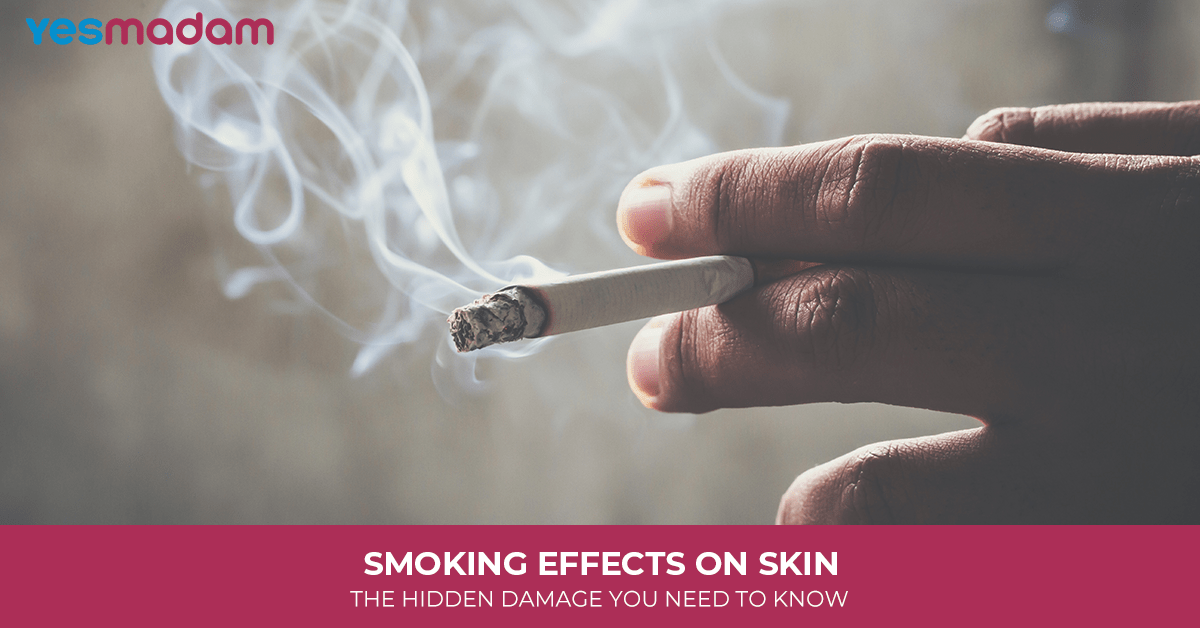
Smoking Effects on Skin: The Hidden Damage You Need to Know
We all know smoking harms your lungs, but did you know it also wreaks havoc on your skin? The smoking effects on skin are often overlooked, yet they’re some of the most visible signs of long-term tobacco use. Whether it’s wrinkles forming earlier than expected, dull and uneven skin tone, or a constant tired appearance, smoking accelerates skin damage in ways most people never imagine.
In this article, we’ll take a deep dive into how smoking affects your skin at every level. From the science behind nicotine’s role to how quitting can restore your glow, you’ll find everything you need to understand the hidden connection between cigarettes and your complexion.
More Information For You: Tan Removal Skin Care Routine
Table of Contents
How Smoking Impacts Skin Health

Smoking isn’t just a bad habit, it’s a full-blown assault on your body’s largest organ: the skin. Every puff sends thousands of toxic chemicals into your bloodstream. These toxins constrict blood vessels, limit oxygen flow, and reduce the supply of essential nutrients like vitamin C, a vital component for collagen production and skin repair.
Reduced Oxygen and Nutrient Supply
When you inhale cigarette smoke, it narrows the blood vessels in your outermost skin layers. This restriction decreases blood flow, starving your skin of oxygen and essential nutrients. As a result, your complexion starts to appear dull, pale, and lifeless. Over time, this lack of oxygen can lead to uneven tone and slow healing after injuries or acne breakouts.
Collagen Breakdown and Wrinkle Formation
Collagen is what keeps your skin firm, smooth, and elastic. Unfortunately, smoking destroys collagen fibers and prevents new ones from forming. This is why smokers tend to develop deep wrinkles, especially around the mouth (often called “smoker’s lines”) and eyes. The constant pursing of the lips while smoking only makes these wrinkles worse.
Dehydration and Skin Dryness
Cigarette smoke depletes your skin’s natural moisture barrier. Combined with reduced circulation, this leads to chronic dryness. Smokers often notice flaky, rough, or uneven texture, which contributes to an aged, weathered appearance even in younger individuals.
Visible Signs of Smoking on Skin

While the internal effects might not be visible, the smoking effects on skin are unmistakable. These visible symptoms can appear after just a few years of smoking — sometimes even sooner.
Premature Aging
Smoking is one of the top causes of premature aging. The toxic chemicals in tobacco smoke speed up the breakdown of collagen and elastin, leading to sagging skin, fine lines, and wrinkles. In fact, research shows that smokers can appear up to 10 years older than their actual age.
Uneven Skin Tone and Discoloration
The nicotine and tar in cigarettes stain your skin from the inside out. They can cause uneven pigmentation, dark spots, and even a yellowish tint on your fingers and face. This uneven tone often makes the skin look unhealthy and tired.
Dull and Lifeless Complexion
Healthy skin glows because of good circulation and cell renewal. Smoking hinders both. The carbon monoxide in cigarette smoke binds with hemoglobin in your blood, reducing oxygen levels, which robs your skin of its natural radiance.
The Science Behind Skin Damage from Smoking
To truly understand how smoking damages the skin, let’s look at what happens beneath the surface.
Nicotine and Blood Vessel Constriction
Nicotine is a powerful vasoconstrictor — meaning it narrows blood vessels. This constriction prevents nutrients and oxygen from reaching the skin cells. Over time, this starved state triggers early cell death, slower regeneration, and visible signs of aging.
Free Radicals and Oxidative Stress
Cigarette smoke is loaded with free radicals, unstable molecules that damage skin cells and DNA. These free radicals trigger oxidative stress, which speeds up aging, inflammation, and loss of skin elasticity. It’s like your skin is constantly under attack, unable to defend itself.
Vitamin Depletion and Collagen Loss
Smoking reduces essential vitamins like A, C, and E, antioxidants your body needs to protect and repair skin tissue. Without these, collagen production slows dramatically, and wrinkles form faster. That’s why smokers often notice sagging skin even if they’re still young.
Smoking and Specific Skin Conditions
Smoking doesn’t just cause wrinkles; it can also make certain skin problems worse or trigger new ones altogether.
Acne and Breakouts
Smoking affects hormone balance and increases the amount of sebum your skin produces. This extra oil clogs pores and leads to acne. Studies show that adult smokers are more prone to non-inflammatory acne, which leaves stubborn marks that take longer to heal.
Psoriasis and Eczema
Smokers are more likely to develop psoriasis, a condition where skin cells build up and form itchy, scaly patches. Nicotine alters immune function and inflammation levels, worsening symptoms in people already prone to psoriasis or eczema.
Delayed Wound Healing
Ever noticed, how cuts or pimples take longer to heal for smokers? That’s because smoking slows down collagen synthesis and reduces blood flow. This delay increases the risk of scarring, infections, and poor recovery after skin treatments or surgeries.
How Quitting Smoking Benefits Your Skin
The good news? It’s never too late to reverse some of the smoking effects on skin. The human body is remarkably resilient, and your skin begins to heal once you quit smoking.
Restored Circulation and Oxygen Flow
Within weeks of quitting, your blood flow improves, bringing more oxygen and nutrients to your skin. This renewal process helps restore your natural glow and even skin tone.
Improved Collagen Production
As your body eliminates nicotine and toxins, collagen synthesis restarts. Gradually, you’ll notice firmer, more elastic skin. Wrinkles won’t vanish overnight, but they’ll become less noticeable over time.
Enhanced Hydration and Texture
When you stop smoking, your skin starts retaining moisture better. The dryness and dullness fade, replaced by a fresher, smoother texture. Combined with proper skincare and hydration, your complexion can bounce back significantly.
Skincare Tips to Repair Damaged Skin After Smoking
Quitting smoking is just the first step. To help your skin recover fully, here are a few practical tips you can add to your daily routine.
1. Exfoliate Regularly
Exfoliation removes dead skin cells that build up from poor circulation. Use a gentle exfoliator twice a week to reveal brighter, newer skin beneath.
2. Stay Hydrated
Drink plenty of water to flush toxins and keep your skin plump. Hydration is key to rebuilding your skin’s barrier and texture.
3. Use Antioxidant-Rich Skincare
Look for serums or moisturizers containing vitamin C, E, and green tea extract. These antioxidants help combat free radicals and support collagen repair.
4. Eat Skin-Boosting Foods
Incorporate fruits, vegetables, nuts, and fish into your diet. Omega-3 fatty acids and antioxidants from foods like berries and spinach can work wonders for your skin’s recovery.
5. Protect Your Skin from Sun Damage
Smokers’ skin is already more vulnerable to UV rays. Always wear sunscreen with SPF 30 or higher to prevent further damage and pigmentation.
Psychological Aspect: Confidence and Self-Image
The effects of smoking on skin don’t just impact physical appearance — they can also take a toll on your confidence. Many smokers feel self-conscious about dull or aged skin. Quitting smoking not only helps restore your health but also boosts self-esteem as you start to see positive changes in your complexion and overall vitality.
Secondary Effects: Hair, Nails, and Eyes
Smoking doesn’t stop at your skin. It affects your hair, nails, and even your eyes.
- Hair: Smokers often experience thinning hair or premature greying due to reduced blood flow to hair follicles.
- Nails: Nicotine stains and weakens nails, making them brittle and discolored.
- Eyes: The delicate skin around the eyes becomes puffier and more prone to dark circles, another reason smokers often look tired or older.
When to See a Dermatologist
If you’ve quit smoking but still struggle with dullness or premature aging, a dermatologist can help. Treatments like chemical peels, microdermabrasion, or laser therapy can reduce pigmentation, fine lines, and restore a more youthful texture. These professional options, combined with lifestyle changes, can significantly enhance recovery.
Conclusion
The smoking effects on skin go far beyond wrinkles; they reflect years of internal stress, oxygen deprivation, and toxin exposure. But the good news is, it’s never too late to start healing. By quitting smoking, nourishing your body, and caring for your skin, you can gradually reclaim your natural glow and confidence. Remember, every cigarette skipped is a step toward brighter, healthier, and younger-looking skin.
FAQs
1. How long does it take for your skin to improve after quitting smoking?
It usually takes about 4–6 weeks to notice visible improvements, such as better color and texture. Over several months, collagen and circulation continue to repair, making your skin firmer and more radiant.
2. Can smoking cause acne?
Yes, smoking can increase oil production and inflammation, leading to clogged pores and acne breakouts, especially non-inflammatory types that are harder to treat.
3. Is it possible to reverse wrinkles caused by smoking?
While deep wrinkles can’t be completely erased, quitting smoking helps prevent further damage. Skincare treatments and collagen-boosting products can minimize their appearance.
4. Does vaping have the same skin effects as smoking?
Although vaping may contain fewer toxins, it still introduces nicotine, which reduces blood flow and collagen production. So yes, it can also damage your skin over time.
5. How does smoking affect skin healing?
Smoking slows down wound healing by reducing oxygen and collagen supply. This means cuts, acne scars, or surgical wounds take longer to heal.
6. Can vitamin C help repair smokers’ skin?
Absolutely. Vitamin C supports collagen production and helps neutralize free radicals, making it one of the best ingredients for repairing smoking-damaged skin.
7. Why do smokers look older than non-smokers?
Because smoking accelerates collagen loss, reduces elasticity, and limits oxygen supply — all of which lead to premature wrinkles, sagging, and dullness.
8. Does quitting smoking improve skin color?
Yes! Once you quit, blood circulation improves, bringing oxygen and nutrients back to your skin. Within weeks, you’ll notice a healthier, pinker glow replacing the dull, grayish tone.
9. Are the effects of smoking on skin permanent?
Some damage, like deep wrinkles or severe elasticity loss, may be permanent. However, quitting smoking and following a good skincare routine can reverse most surface-level damage.
10. What are the best skincare products for smokers?
Focus on products rich in antioxidants (vitamin C, E), hyaluronic acid for hydration, and retinoids to boost collagen. Sunscreen is a must to prevent additional damage.