Understanding Your T-zone face: What It Is, Why It Gets Oily, and How to Care for It
If you’ve ever looked in the mirror around noon and thought, “Why is my forehead shiny again?”, you’re definitely not alone. The T-zone face area is basically the drama queen of skincare. It gets oily faster, breaks out more often, and somehow looks dull and shiny at the same time. Fun, right?
But here’s the good news: once you understand what your T-zone is doing and why, taking care of it becomes a lot easier (and way less frustrating). This guide will walk you through what the T-zone actually is, why it behaves the way it does, and how to build a routine that keeps it balanced without drying out the rest of your face.
Let’s get into it, no complicated dermatologist jargon, just real talk and practical steps.
Table of Contents
What Exactly Is the T-Zone?
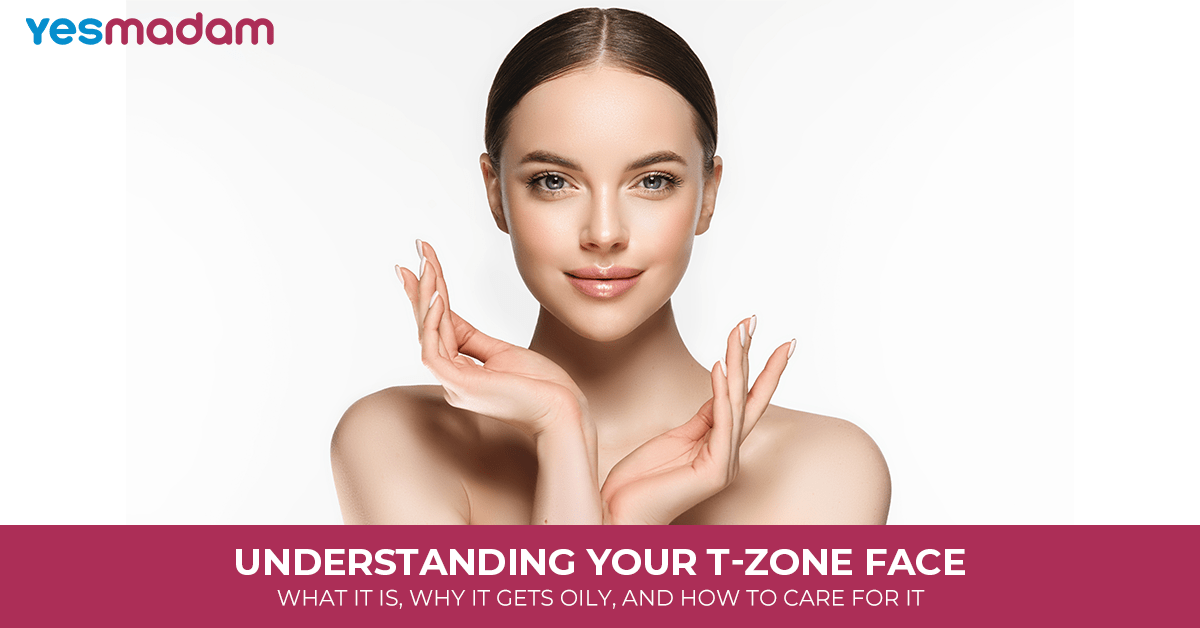
The “T-zone” refers to the center strip of your face that forms a T shape:
- Forehead
- Nose
- Chin
This part of your face usually has more oil glands (sebaceous glands) than your cheeks or jawline. That’s why it tends to get shinier, greasier, and more prone to clogged pores.
Now, not everyone’s T-zone is oily all the time. Some people have a mildly oily T-zone, others have a full-on oil slick by afternoon. Weather, hormones, diet, stress, and your products can all affect it.
The big takeaway: your T-zone isn’t “bad.” It just needs different care than the rest of your face.
More Information For You: How to Hydrate Skin in Winter
Why the T-Zone Gets Oily So Easily

Let’s add a bit of context here before we zoom into details: oil is actually your skin’s natural moisturizer. Your face produces sebum to protect your skin barrier. The problem only starts when the T-zone face produces more oil than your pores can handle.
More Sebaceous Glands in the T-Zone
The skin on your forehead, nose, and chin is thicker and packed with more oil glands. So even if your overall skin is normal or dry, the T-zone might still be oily.
Hormones and Genetics
If oily noses run in your family, welcome to the club. Hormones, especially during puberty, periods, pregnancy, or stress, can also crank up oil production.
Over-Washing or Harsh Products
Ironically, if you strip your T-zone too much, your skin goes, “Oh no, we’re dry!” and produces even more oil to compensate.
Climate and Lifestyle
Hot, humid weather increases sweat + oil. And yes, diet, lack of sleep, dehydration, and stress can make your T-zone act up too.
Common Problems in the T-Zone (And What They Mean)
Before jumping into solutions, it helps to know what you’re dealing with. The T-zone face area usually shows problems first because of the extra oil.
H3: Blackheads and Whiteheads
These happen when oil mixes with dead skin cells and clogs pores.
- Blackhead = open clog, oil oxidizes and turns dark
- Whitehead = closed clog, looks like a tiny bump
Enlarged Pores
Pores stretch when they’re regularly filled with oil or debris. While you can’t erase pores (sorry), you can keep them cleaner so they look smaller.
Acne Breakouts
Because oil feeds acne-causing bacteria, breakouts often pop up on the nose, chin, or forehead first.
Shiny But Dehydrated Skin
This one’s confusing: your T-zone can be oily and dehydrated (meaning it lacks water). That can make it look greasy while still feeling tight.
How to Know Your T-Zone Type
Tiny pause here because this matters: not all T-zones are the same. Knowing what kind you have prevents you from choosing the wrong products.
Oily T-Zone + Normal/Dry Cheeks (Combination Skin)
Most common. T-zone shines, cheeks may feel normal or rough.
Mildly Oily T-Zone (Normal Skin)
Shine appears occasionally but isn’t extreme.
Very Oily T-Zone (Oily Skin)
You get shine quickly and may see frequent clogged pores.
Dehydrated T-Zone
Looks oily but feels tight, especially after washing.
A simple test: wash your face, apply nothing, and wait 1–2 hours.
If only your T-zone gets shiny, you’re combo. If your whole face shines, you’re oily.
Don’t Miss: Winter Skin Rash
The Best Skincare Routine for a Balanced T-Zone
Okay, now let’s build a routine that actually works. I’ll keep this realistic, no 12-step routines unless you want that.
Step 1: Cleanse Gently, Not Aggressively
Use a mild cleanser twice a day. Look for:
- gel cleansers
- salicylic acid cleansers (if you get blackheads)
- fragrance-free formulas
Avoid harsh scrubs or soaps that leave your skin squeaky-clean. That squeak is your skin barrier crying.
Step 2: Use a Lightweight Toner or Hydrating Mist
This is where people skip and regret it. A hydrating toner helps reduce oil rebound by giving your skin water.
Look for ingredients like:
- glycerin
- hyaluronic acid
- green tea
- niacinamide
Step 3: Treat the T-Zone (Targeted Care)
Here’s the trick: don’t treat your whole face like your T-zone.
Use targeted products on the oily areas, like:
- salicylic acid (BHA) 2–3x a week
- niacinamide serum daily
- clay mask once a week
Step 4: Moisturize Anyway
Yes, even oily T-zones need moisturizer. Skipping moisturizer often makes oiliness worse.
Pick:
- gel-based moisturizers
- oil-free lotions
- non-comedogenic formulas
Step 5: Sunscreen Every Single Day
If you do nothing else, do this. Sun damage thickens skin, clogs pores, and makes your oil glands overactive.
Go for:
- lightweight SPF 50
- matte or gel sunscreen
- non-greasy finish
Weekly Extras That Help Your T-Zone Behave
Let’s add some context here before listing these: daily routines keep things stable, and weekly routines reset buildup.
Exfoliation (1–3x Weekly)
Chemical exfoliation is better than scrubbing.
- BHA unclogs pores in oily areas
- AHA smooths texture on forehead/chin
Don’t overdo it; more exfoliation doesn’t mean more glow. It often means irritation.
Clay Masks (Once Weekly)
Clay soaks up excess oil and clears pores.
Best on:
- nose
- chin
- mid-forehead
Avoid applying clay to dry cheeks unless your whole face is oily.
Oil-Absorbing Sheets (As Needed)
Blotting papers are a lifesaver. Bonus: they don’t mess up your makeup.
Makeup Tips for an Oily T-Zone
Even if skincare is solid, makeup can still slip around the T-zone face area. Here’s how to stop it.
Use a Mattifying Primer on the T-Zone Only
No need to mattify your entire face if your cheeks are dry. Apply primer just where oil comes through.
Choose Non-Comedogenic Foundations
Heavy foundations can clog pores fast. Look for lighter formulas labeled “oil-free” or “non-comedogenic.”
Set Strategically
Translucent powder on your forehead, nose, and chin works better than baking everything.
Mistakes People Make With Their T-Zone
Quick reality check time. These habits make the T-zone worse:
Washing Too Often
More washing = more oil rebound.
Using Alcohol-Heavy Toners
They feel like they work because they dry oil for 10 minutes. Then your skin pumps out more.
Over-Exfoliating
That “clean” feeling can become inflammation, sensitivity, and worse breakouts.
Skipping Moisturizer
Oil is not hydration. Your skin needs water and barrier support.
Lifestyle Habits That Calm the T-Zone
Skincare helps, but lifestyle matters too. Consider these low-effort upgrades:
Stay Hydrated
Dehydration can trigger oil production. Water won’t erase oil, but it balances your skin.
Clean Pillowcases and Phone Screens
Your T-zone touches these more than you realize.
Manage Stress
Stress hormones stimulate oil glands. Even short walks or breathing exercises help more than you’d think.
Conclusion
Your T-zone face area gets oily because it’s designed to protect itself with more oil glands. That doesn’t mean you’re stuck with shine forever; it just means your skin needs a smarter, more balanced approach.
When you cleanse gently, hydrate properly, and treat oil strategically (instead of attacking it), your T-zone calms down. And once it does, everything gets easier: makeup sits better, pores look cleaner, and breakouts reduce.
So be patient with your T-zone. Give it consistency, not punishment. Your skin will thank you.
FAQs
1. Why is my T-zone oily but my cheeks are dry?
This is classic combination skin. Your T-zone has more oil glands, while cheeks have fewer. Treat your T-zone with oil-control products but keep cheeks hydrated to avoid dryness.
2. Can I use salicylic acid every day on my T-zone?
You can, but only if your skin tolerates it well. Start 2–3 times a week, then increase slowly. Overuse can cause irritation and increase oil rebound.
3. Do pore strips help T-zone blackheads?
They remove surface gunk temporarily, but don’t solve the root cause. Regular BHA exfoliation and proper cleansing work better long-term.
4. Should I skip moisturizer if my T-zone is very oily?
Nope. Skipping moisturizer often makes oiliness worse. Use a light gel moisturizer so your skin doesn’t overproduce oil to compensate.
5. What’s the best sunscreen for an oily T-zone?
Look for gel or matte sunscreens labeled oil-free and non-comedogenic. These prevent shine without clogging pores and still protect your skin effectively.
6. Why does my nose get oily faster than my forehead?
The nose has one of the highest density of sebaceous glands. It also has deeper pores, so oil builds up faster there compared to other areas.
7. Can diet affect my T-zone oiliness?
Yes, sometimes. High sugar, processed foods, and dairy can trigger oil and breakouts in some people. A balanced diet helps skin stay calmer overall.
8. How often should I use a clay mask on my T-zone?
Once a week is usually enough. If your skin is extremely oily, twice weekly can help, but stop if your skin feels tight or irritated.
9. Why is my T-zone oily even in winter?
Cold weather dries skin, and your body may compensate by producing more oil. Hydration and barrier-friendly moisturizers are key in winter.
10. Can I shrink my T-zone pores permanently?
Pore size is mostly genetic, so you can’t shrink them permanently. But keeping them clean with gentle exfoliation and oil control can make them look much smaller.