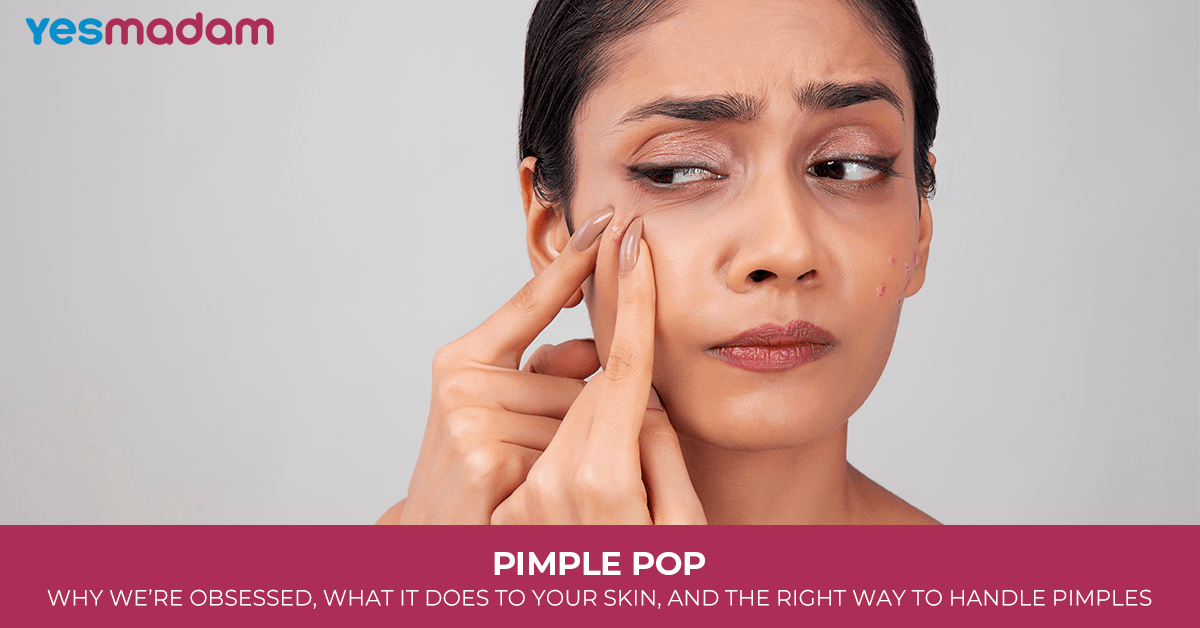
Pimple Pop: Why We’re Obsessed, What It Does to Your Skin, and the Right Way to Handle Pimples
Let’s be honest, the urge to pimple pop is something almost everyone has experienced at least once. You’re standing in front of the mirror, you spot that tiny bump, and suddenly your brain is telling you that popping it will make everything better. Smoother skin. Faster healing. Instant relief.
But does popping pimples actually help? Or does it quietly sabotage your skin in ways you don’t notice until later?
In this in-depth guide, we’re going to talk openly and realistically about the pimple pop habit, why it’s so tempting, what actually happens beneath your skin when you do it, and how to treat pimples the right way without damaging your skin barrier. No fear-mongering, no medical jargon overload, just clear, honest information you can actually use.
Table of Contents
Why the Urge to Pimple Pop Is So Strong
Before we talk about whether popping pimples is good or bad, it helps to understand why people feel such a strong pull toward it in the first place.
The Psychological Satisfaction Behind Pimple Popping
There’s a surprising psychological reason behind the obsession with pimple pop behavior. When you pop a pimple, your brain releases a small amount of dopamine, the same “reward” chemical associated with relief and satisfaction.
That momentary feeling of control, combined with visual “completion,” tricks the brain into thinking the problem is solved, even though the skin damage may have just begun.
Why Social Media Made Pimple Popping More Popular
Thanks to viral videos and oddly satisfying clips, pimple popping has become normalized online. These videos make the act look clean, harmless, and even therapeutic. What they don’t show is the inflammation, scarring, or infection that can follow afterward.
Don’t Miss: Difference Between Acne and Pimples
What Actually Happens When You Pimple Pop
Now let’s slow things down and look at what’s really happening beneath your skin when you squeeze a pimple.
A pimple isn’t just a surface issue. It’s a clogged pore filled with oil, dead skin cells, and bacteria, sitting inside an inflamed hair follicle.
When you pop it, pressure forces that material out but not always in the direction you want.
Why Popping Often Makes Pimples Worse
Instead of pushing everything out cleanly, pimple popping often forces bacteria deeper into the skin. This increases inflammation, prolongs healing, and raises the chance of infection.
That’s why a small pimple can turn into a painful red bump after being squeezed.
Different Types of Pimples and Why Some Should Never Be Popped
Not all pimples are created equal, and treating them the same way is a recipe for skin trouble.
Before diving into the specifics, it’s important to understand that each type of acne forms at a different depth within the skin.
Whiteheads and Blackheads
These are surface-level clogs. While they seem like easy targets, popping them can still stretch pores and introduce bacteria if done incorrectly.
Papules and Pustules
These red, inflamed pimples are already irritated. Pimple pop attempts here almost always increase redness and slow healing.
Cystic Acne (The Most Dangerous to Pop)
Cystic pimples sit deep under the skin. Popping them doesn’t remove the clog, it only damages the surrounding tissue, leading to scars that can last for years.
Related Blog: Natural Home Remedies for Acne & Pimples
Short-Term Relief vs Long-Term Skin Damage
This is where many people get confused. Popping a pimple feels helpful in the moment, but the long-term effects tell a different story.
Immediate Effects You Might Notice
- Temporary flattening of the pimple
- Short-lived relief from pressure
- Redness and irritation
Long-Term Effects That Sneak Up on You
- Dark spots that linger for months
- Permanent acne scars
- Enlarged pores
- Repeated breakouts in the same area
The damage isn’t always visible right away, which is why the habit is so hard to break.
The Right Way to Treat Pimples Without Popping
If popping pimples isn’t the answer, what should you do instead?
Let’s talk about healthier, dermatologist-approved alternatives that actually work.
Spot Treatments That Reduce Pimples Safely
Using targeted treatments with ingredients like salicylic acid or benzoyl peroxide helps dry out pimples gradually, without rupturing the skin.
These treatments work from the inside out, reducing bacteria and unclogging pores naturally.
The Power of Patience (Yes, Really)
It’s not glamorous, but giving your skin time to heal often results in faster recovery overall. Pimples that are left alone usually heal with less inflammation and no scarring.
When (and If) It’s Ever Okay to Pop a Pimple
While dermatologists strongly advise against DIY pimple popping, there are controlled situations where professional extraction is safe.
Why Dermatologists Use Special Techniques
Professionals use sterile tools, controlled pressure, and proper aftercare to minimize damage. This is very different from squeezing a pimple with unclean fingers in front of a bathroom mirror.
How to Stop the Habit of Pimple Popping
Breaking the pimple pop habit isn’t easy especially when stress or boredom triggers it.
Practical Tips That Actually Help
- Keep mirrors at arm’s length
- Use hydrocolloid patches to cover pimples
- Keep hands busy during stress moments
- Focus on long-term skin goals, not instant relief
Small changes can make a big difference over time.
The Role of Skincare Routine in Preventing Pimples
Preventing pimples reduces the temptation to pop them in the first place.
A consistent routine with gentle cleansing, regular exfoliation, and proper hydration keeps pores clear and skin balanced.
Conclusion
The urge to pimple pop is incredibly human, but understanding what it really does to your skin changes how you approach it. While popping might feel satisfying in the moment, it often leads to longer healing times, scars, and repeat breakouts.
By learning how pimples form, treating them gently, and resisting the temptation to squeeze, you’re giving your skin the best chance to heal naturally and stay healthy long-term. Clear skin isn’t about quick fixes; it’s about smarter habits and a little patience.
FAQs
Is it bad to pimple pop once in a while?
Occasional popping may not cause major damage, but even once can lead to inflammation or scarring, depending on the pimple type. It’s always safer to avoid popping altogether.
Why does popping pimples feel satisfying?
The brain releases dopamine during the act, creating a temporary feeling of relief. This psychological reward is what makes the habit hard to stop.
Can pimple popping cause permanent scars?
Yes, especially when popping deep or inflamed pimples. Damage to the deeper skin layers often leads to scars that don’t fade easily.
How long does a pimple heal if I don’t pop it?
Most pimples heal within a few days to a week when left alone, especially with proper skincare and spot treatment.
Are pimple popping tools safer than fingers?
Not really. Without proper sterilization and technique, tools can still cause infection and scarring.
What should I do if I already popped a pimple?
Clean the area gently, apply an antibacterial treatment, and avoid touching it further. Keeping it moisturized helps healing.
Do pimple patches really work?
Yes, hydrocolloid patches absorb fluid, reduce inflammation, and protect pimples from further irritation.
Why do popped pimples come back in the same spot?
Popping doesn’t remove the root cause. It can push bacteria deeper, leading to recurring inflammation in the same pore.
Can stress increase pimple-popping behavior?
Absolutely. Stress increases breakouts and compulsive behaviors, making pimple popping more likely during anxious moments.
What’s the safest way to get rid of pimples fast?
Using targeted treatments, ice for swelling, and leaving the pimple untouched is the safest and most effective approach.