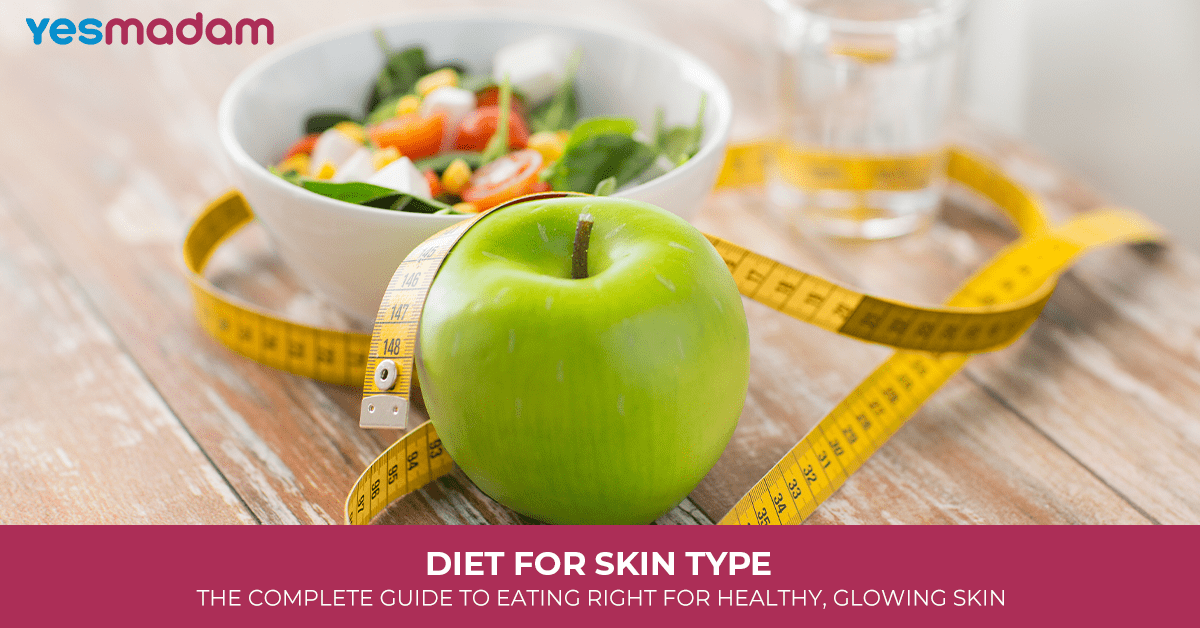
Diet for Skin Type: The Complete Guide to Eating Right for Healthy, Glowing Skin
Healthy skin isn’t just about the products you apply on your face, it starts much deeper than that. What you eat every day has a powerful impact on how your skin looks, feels, and ages over time. Understanding the diet for skin type can help you address specific concerns like acne, dryness, sensitivity, or excess oil in a more natural and long-lasting way.
Each skin type has unique nutritional needs, and when you align your food choices with those needs, your skin begins to respond positively. In this guide, we’ll explore how diet affects different skin types, what foods to include, what to avoid, and how small dietary changes can make a big difference in your skin health.
This article is designed to be practical, conversational, and easy to understand, so you can confidently build a diet that truly supports your skin.
Table of Contents
Why Diet Matters for Skin Health
Before diving into specific skin types, it’s important to understand why diet plays such a vital role in skin health.
Your skin is your body’s largest organ, and it constantly renews itself. This renewal process depends heavily on nutrients like vitamins, minerals, healthy fats, and antioxidants. When your diet lacks these essentials, or includes too many inflammatory foods, it shows up on your skin in the form of dullness, breakouts, uneven texture, or premature aging.
A well-planned diet supports skin repair, boosts collagen production, reduces inflammation, and strengthens the skin barrier. That’s why following the right diet for your skin type is far more effective than a one-size-fits-all approach.
More Information For You: Coconut Oil Sunscreen
Understanding Your Skin Type

Knowing your skin type is the foundation of choosing the right foods. While genetics play a role, lifestyle and diet can significantly influence how your skin behaves.
Common Skin Types Explained
Most people fall into one of these categories:
- Oily skin
- Dry skin
- Combination skin
- Sensitive skin
- Acne-prone skin
Each type reacts differently to foods, which is why tailored nutrition matters.
Diet for Oily Skin
Oily skin tends to produce excess sebum, which can lead to shine, clogged pores, and frequent breakouts. The goal here is to reduce inflammation and regulate oil production without stripping the skin.
Before jumping into specific foods, it’s helpful to understand that oily skin often benefits from balance, not restriction.
Best Foods for Oily Skin
A diet rich in whole, unprocessed foods works best. Include plenty of leafy greens, whole grains, and foods rich in zinc, which helps regulate oil production. Fresh fruits like berries and citrus provide antioxidants that support skin clarity. Incorporating foods that support gut health can also be beneficial for managing oil levels naturally.
Diet for Dry Skin
Dry skin often feels tight, flaky, or rough and usually lacks natural oils and moisture. The key here is nourishment from the inside out.
Hydration is important, but food choices play an equally critical role in restoring softness and elasticity.
Best Foods for Dry Skin
Healthy fats are essential. Foods like avocados, seeds, and nuts support the skin barrier and help lock in moisture. Including fatty fish introduces omega-3 fatty acids, which are known to improve skin hydration and smoothness. This is where omega-3 fatty acids play a crucial role in repairing dry, compromised skin.
Diet for Combination Skin
Combination skin can feel confusing because it’s oily in some areas (usually the T-zone) and dry in others. This skin type requires a balanced approach rather than extremes.
Instead of targeting one concern, the focus should be on overall skin harmony.
Best Foods for Combination Skin
A balanced intake of complex carbohydrates, lean proteins, and healthy fats works well. Whole foods help stabilize blood sugar levels, which can reduce oiliness while still supporting hydration. Paying attention to portion sizes and food quality helps keep combination skin calm and balanced.
Diet for Sensitive Skin
Sensitive skin reacts easily to environmental factors, skincare products, and even food. Redness, itching, and irritation are common symptoms.
For sensitive skin, the goal is to reduce inflammation and strengthen the skin’s natural defense system.
Best Foods for Sensitive Skin
Anti-inflammatory foods are your best friends. Including foods rich in antioxidants helps neutralize free radicals. This is where antioxidant-rich foods support calmer, more resilient skin. Gentle, nutrient-dense meals are far more effective than highly spiced or processed foods for sensitive skin types.
Diet for Acne-Prone Skin
Acne-prone skin is often influenced by hormones, inflammation, and gut health. While topical treatments help, diet plays a major role in controlling breakouts.
What you eat can either calm inflammation or trigger it.
Best Foods for Acne-Prone Skin
Focus on foods that support hormonal balance and gut health. Fiber-rich vegetables and fermented foods support digestion, which in turn benefits the skin. Including low glycemic foods helps prevent blood sugar spikes that can worsen acne. Avoiding excess sugar and refined carbs is especially important here.
Foods That Benefit All Skin Types
While each skin type has specific needs, some foods are universally beneficial.
Including skin-friendly nutrients like vitamin C, vitamin E, and selenium helps protect the skin from damage and supports repair. Proper hydration for skin health is also essential, as water supports detoxification and maintains skin elasticity.
Foods to Limit or Avoid for Better Skin
No matter your skin type, certain foods can negatively impact skin health when consumed excessively.
Highly processed foods, sugary snacks, and fried items can increase inflammation. Excessive dairy consumption may affect hormonal balance in some individuals, leading to breakouts. Understanding how your skin reacts to certain foods helps you make smarter choices.
Lifestyle Habits That Support Your Diet
Diet alone isn’t enough. Skin health is influenced by sleep, stress, and daily habits.
Managing stress helps regulate hormones, while quality sleep allows the skin to repair itself. Regular physical activity supports circulation, delivering nutrients to the skin more efficiently. When combined with the right diet for skin type, these habits create long-term improvements.
How Long Does It Take to See Results?
Dietary changes don’t transform skin overnight. Most people notice subtle improvements within a few weeks, with more visible results appearing after consistent effort over two to three months.
Patience and consistency are key. Skin reflects your overall health, not just yesterday’s meal.
Conclusion
Understanding and following the right diet for skin type is one of the most effective ways to achieve healthy, radiant skin naturally. Instead of chasing quick fixes, nourishing your body with the right foods creates lasting results.
By listening to your skin, choosing nutrient-rich foods, and maintaining a balanced lifestyle, you empower your skin to heal, glow, and thrive from the inside out. Healthy skin isn’t about perfection, it’s about care, consistency, and making informed choices every day.
FAQs
What is the best diet for skin type improvement?
The best diet focuses on whole, nutrient-dense foods tailored to your specific skin concerns. Eating balanced meals with vitamins, minerals, and healthy fats supports skin repair and long-term health.
Can diet really change my skin type?
Diet won’t change your genetic skin type, but it can significantly improve how your skin behaves. The right foods can reduce breakouts, dryness, and sensitivity over time.
How much water should I drink for better skin?
While needs vary, drinking enough water to stay well-hydrated supports skin elasticity and detoxification. Pairing hydration with nutrient-rich foods enhances results.
Is sugar bad for all skin types?
Excess sugar can trigger inflammation and accelerate aging for most skin types. Reducing added sugars often leads to clearer and more balanced skin.
Do supplements help with skin health?
Supplements can help if you have deficiencies, but whole foods are always the best source of nutrients. It’s best to consult a professional before starting supplements.
Can oily skin benefit from fats in the diet?
Yes, healthy fats support hormone balance and skin barrier function. The key is choosing the right fats in moderation, not avoiding them entirely.
Does dairy cause acne for everyone?
Not everyone reacts to dairy the same way. Some people notice breakouts, while others don’t, listening to your body is essential.
How soon will dietary changes show on my skin?
Most people see early improvements in 3–4 weeks, with more visible changes after consistent healthy eating for a few months.
Are fruits good for all skin types?
Fruits provide antioxidants and hydration, making them beneficial for all skin types when eaten in moderation as part of a balanced diet.
Should I follow a strict diet for skin health?
A flexible, sustainable approach works best. Consistency and balance matter more than strict rules when it comes to long-term skin health.