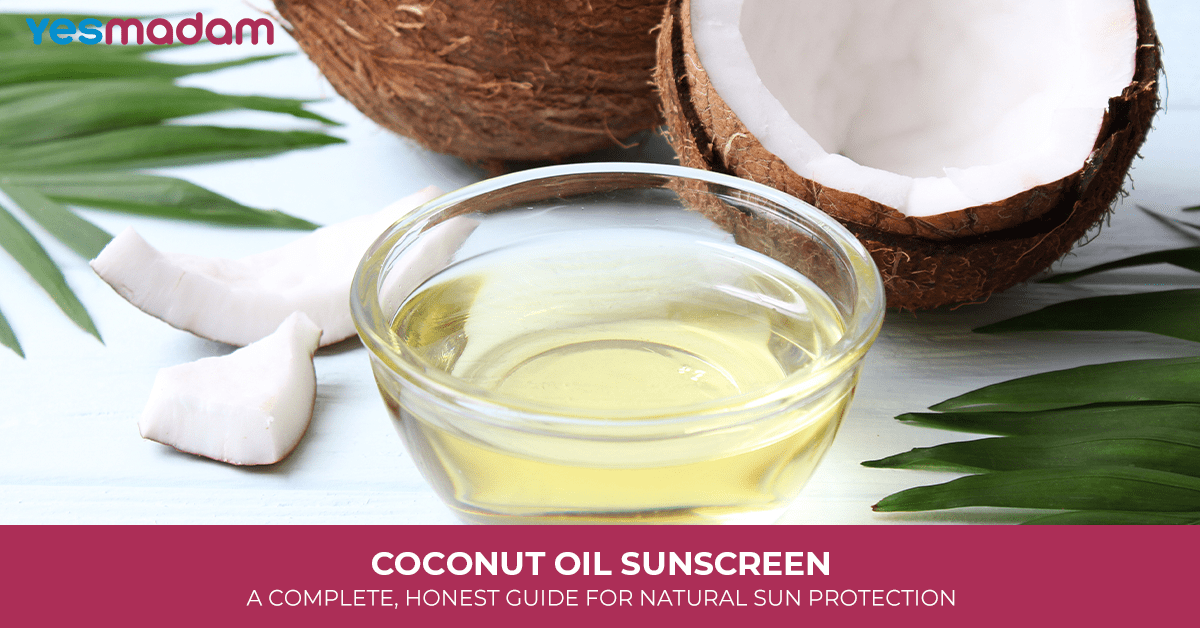
Coconut Oil Sunscreen: A Complete, Honest Guide for Natural Sun Protection
When it comes to sun protection, more people are leaning toward natural skincare alternatives. Among the most talked-about options is coconut oil sunscreen. You’ve probably seen it recommended on social media, wellness blogs, or by someone who swears by all-natural living. But the big question remains, does coconut oil really work as sunscreen, or is it just another beauty myth?
In this in-depth guide, we’ll explore everything you need to know about coconut oil sunscreen, how it interacts with sunlight, what science actually says, and whether it’s safe to rely on it for sun protection. We’ll break things down clearly, honestly, and without hype, so you can make informed decisions for your skin.
Table of Contents
Understanding Coconut Oil and Its Popularity in Skincare

Coconut oil has been a staple in beauty and wellness routines for centuries. Before diving into its role as sunscreen, it’s important to understand why it’s so popular in skincare in the first place.
What Makes Coconut Oil So Widely Used?
Coconut oil is rich in fatty acids, especially lauric acid, which gives it moisturizing and antibacterial properties. It absorbs easily into the skin and creates a protective barrier that helps prevent moisture loss.
Because of this, coconut oil is commonly used for dry skin, hair care, makeup removal, and even minor wound care. Its versatility is what naturally led people to wonder whether it could also serve as sun protection.
What Is Coconut Oil Sunscreen, Really?
Before we evaluate effectiveness, let’s clarify what people usually mean when they say coconut oil sunscreen.
Is Coconut Oil an Actual Sunscreen?
Technically speaking, coconut oil is not a regulated sunscreen. Sunscreens are tested and labeled with SPF (Sun Protection Factor) values based on controlled studies. Coconut oil, on its own, does not meet these standards.
That said, coconut oil does offer minimal natural UV protection, which is why the idea of coconut oil sunscreen exists. However, this protection is far weaker than what most people assume.
How Coconut Oil Interacts With Sunlight
To understand whether coconut oil sunscreen works, we need to look at how it behaves under sun exposure.
Does Coconut Oil Block UV Rays?
Coconut oil provides an estimated SPF of around 4 to 7, depending on the study. This means it blocks only about 20% of UVB rays, leaving your skin largely exposed.
In contrast, dermatologists recommend using at least SPF 30, which blocks around 97% of UVB rays. The difference is significant and important for skin safety.
The Benefits of Coconut Oil for Sun-Exposed Skin
While coconut oil may not be a reliable sunscreen, it does offer benefits when used correctly around sun exposure.
Moisturizing and Skin Barrier Support
Sun exposure can dry out the skin and damage its natural barrier. Coconut oil helps replenish lost moisture and strengthens the skin’s protective layer.
Antioxidant Properties
Coconut oil contains antioxidants that help neutralize free radicals caused by sun exposure. This may reduce oxidative stress, though it does not replace UV protection.
The Risks of Using Coconut Oil as Your Only Sunscreen

This is where honesty really matters. Relying solely on coconut oil sunscreen can be risky.
Increased Risk of Sunburn
Because coconut oil offers such low SPF, prolonged sun exposure can quickly lead to sunburn, even if your skin feels moisturized.
False Sense of Protection
One of the biggest dangers is psychological. Coconut oil makes skin shiny and hydrated, which can trick you into thinking you’re protected, when you’re not.
When Coconut Oil Can Be Used Safely
Coconut oil still has a place in sun-related skincare, just not as your primary sunscreen.
As an After-Sun Moisturizer
After being in the sun, coconut oil can help calm dryness, reduce tightness, and support skin recovery.
For Very Short, Low-Risk Exposure
If you’re stepping outside briefly in the early morning or late evening, coconut oil may be acceptable. However, it should never replace proper sunscreen for extended outdoor time.
Coconut Oil in DIY Sunscreen Recipes
Many DIY recipes online promote coconut oil sunscreen mixed with other ingredients. Let’s talk about that realistically.
Why DIY Sunscreens Are Unreliable
Even when combined with zinc oxide, homemade sunscreens often lack proper testing, even distribution, and consistent SPF levels. This makes them unreliable and potentially unsafe.
Without laboratory testing, there’s no way to know the true level of protection you’re getting.
Who Should Avoid Coconut Oil Sunscreen Altogether?
Not all skin types react well to coconut oil.
Acne-Prone and Oily Skin Types
Coconut oil is comedogenic, meaning it can clog pores. For acne-prone individuals, using coconut oil, especially under the sun, may worsen breakouts.
People With Sun Sensitivity
If you have melasma, rosacea, or a history of sun damage, relying on coconut oil sunscreen is strongly discouraged.
What Dermatologists Say About Coconut Oil Sunscreen
Most dermatologists agree on one thing: coconut oil should never replace a tested sunscreen.
They emphasize that while coconut oil is beneficial for moisturizing, it does not provide sufficient protection against UVA rays, which are responsible for premature aging and skin cancer.
How to Use Coconut Oil the Right Way in a Sun Care Routine
Instead of viewing coconut oil sunscreen as a replacement, think of coconut oil as a supporting product.
Smart Layering Approach
You can apply a broad-spectrum SPF sunscreen first and then use a small amount of coconut oil on top for added moisture, if your skin tolerates it.
This way, you get hydration without sacrificing protection.
Conclusion
The idea of coconut oil sunscreen is appealing, especially for those who prefer natural skincare solutions. However, the truth is clear: coconut oil alone does not provide adequate sun protection and should not be relied upon as a standalone sunscreen.
That doesn’t mean coconut oil has no place in your routine. When used wiselyas a moisturizer, after-sun treatment, or supplementary product, it can benefit the skin. The key is understanding its limitations and prioritizing proper sun safety.
Healthy skin isn’t about trends; it’s about informed choices. And when it comes to sun protection, tested and proven solutions will always matter most.
FAQs
Is coconut oil sunscreen safe for daily use?
Coconut oil itself is safe for many people, but using it as a daily sunscreen is not recommended. It lacks adequate SPF protection and can increase the risk of sun damage with regular exposure.
Can coconut oil prevent tanning?
No, coconut oil does not prevent tanning. It allows most UV rays to reach the skin, which can lead to tanning and sunburn rather than protection.
Does coconut oil protect against UVA rays?
Coconut oil offers minimal protection against UVB rays and almost none against UVA rays, which are responsible for premature aging and deeper skin damage.
Can coconut oil be used on children as sunscreen?
It’s not advisable to use coconut oil sunscreen on children. Kids have more sensitive skin and require proper broad-spectrum sun protection for safety.
Is coconut oil better than no sunscreen at all?
While coconut oil offers slightly more protection than nothing, it is still far below safe standards. Using a proper sunscreen is always the better choice.
Can coconut oil cause sun sensitivity?
Coconut oil itself does not cause sun sensitivity, but its lack of protection can make skin more vulnerable to sun damage when exposed.
Is coconut oil waterproof for sun protection?
Coconut oil is not waterproof and melts easily under heat, making it even less reliable as a sunscreen during outdoor activities.
Can coconut oil be mixed with sunscreen?
Yes, but it’s better to layer rather than mix. Mixing can dilute the sunscreen’s SPF and reduce its effectiveness.
Does coconut oil help repair sun-damaged skin?
Coconut oil can help moisturize and soothe sun-exposed skin, but it does not repair DNA damage caused by UV radiation.
Why do people believe coconut oil works as sunscreen?
Many people confuse moisturizing benefits with protection. The shine and smoothness coconut oil provides can create a false sense of safety under the sun.